In 2026, veterans with a 100% disability rating will see a significant increase in their monthly compensation, reflecting the Department of Veterans Affairs’ commitment to adjusting benefits in line with the cost of living.
Cost-of-Living Adjustment (COLA)
Effective December 1, 2025, the VA implemented a 2.8% Cost-of-Living Adjustment (COLA) to ensure that veterans’ benefits keep pace with inflation. This adjustment applies to all disability compensation rates, including those for veterans rated at 100% disability. (va.gov)
Monthly Compensation Rates
For veterans rated at 100% disability without dependents, the monthly compensation increased to $3,938.58. With a spouse, the amount rose to $4,158.17, and with a spouse and one child, it reached $4,334.41. Each additional child under 18 adds $109.43 to the monthly payment. (valoannetwork.com)
Importance of Adjustments
These increases are part of the VA’s ongoing efforts to adjust benefits in line with the cost of living, ensuring that veterans’ compensation maintains its purchasing power over time.
Veterans’ Actions
Veterans are encouraged to review their compensation rates and update their dependent information with the VA to ensure they receive the correct benefits. For personalized assistance, veterans can contact the VA directly or visit their official website.
Financial Planning
Understanding these adjustments is crucial for veterans to effectively plan their finances and ensure they are receiving the full benefits entitled to them.
Further Information
For more detailed information on VA disability compensation rates and to verify your specific compensation amount, visit the official VA website. (va.gov)
Disclaimer
*Disclaimer: This information is provided for general informational purposes and should not be construed as medical, legal, or financial advice.*
Key Takeaways
– **2.8% COLA Increase:** VA disability compensation rates have increased by 2.8% effective December 1, 2025. – **100% Disability Rating:** Veterans rated at 100% disability now receive $3,938.58 monthly without dependents. – **Additional Compensation:** Dependents can increase monthly compensation; for example, a spouse adds $219.59, and each child under 18 adds $109.43. – **Action Required:** Veterans should update their dependent information with the VA to ensure accurate compensation. – **Stay Informed:** Regularly check the official VA website for the most current information on compensation rates.
Approximately 1 in 4 adults aged 65 and older experience a fall each year, often leading to serious injuries and a decline in quality of life. For many, walking difficulties are a daily challenge, impacting independence and overall well-being.
However, recent advancements in mobility aids are offering new hope.
Understanding the Need for Advanced Mobility Aids
As the global population ages, the demand for effective mobility solutions has surged. The World Health Organization reports that by 2050, the number of people aged 60 years and older will have nearly doubled, reaching over 2 billion. This demographic shift underscores the importance of developing mobility aids that cater to the unique needs of older adults.
Traditional mobility aids, such as walkers and canes, have long been the standard. While they provide basic support, they often lack features that address the complex challenges faced by seniors, including balance issues, muscle weakness, and the risk of falls. Consequently, there is a growing need for innovative solutions that offer enhanced stability, safety, and user-friendliness.
Introducing the Ease Cane: A Revolutionary Mobility Aid
One such innovation is the Ease Cane, a cutting-edge mobility aid designed specifically for urban seniors. This device integrates advanced ergonomic design with smart technology to provide comprehensive support. Key features include:
Multi-Point Base: Enhances stability on uneven or slippery surfaces, reducing the risk of falls.
Ergonomic Handle: Minimizes strain on the wrist, hand joints, and shoulders, promoting comfort during use.
Auto-Sensing LED Lighting: Automatically illuminates the user’s path in low-light conditions, improving visibility and safety.
Fall Detection Sensors: Equipped with accelerometers and gyroscopes, these sensors detect sudden impacts and can alert designated contacts or emergency services.
The Ease Cane addresses common challenges faced by seniors in urban environments, such as navigating uneven sidewalks and low-light conditions. By combining mechanical stability with smart technology, it offers a holistic solution to mobility difficulties.
Collaborative Efforts in Mobility Aid Development
Recognizing the need for specialized mobility solutions, Antara Senior Care, a provider of lifestyle and lifecare solutions for seniors, has partnered with the Indian Institute of Technology Delhi (IIT Delhi) to design innovative mobility aids. This collaboration aims to develop products that address the specific challenges faced by seniors, including mobility impairments. The partnership focuses on research and product development, encompassing projects from mobility-assisting physical products to cognitive enhancement games aimed at delaying the onset of dementia.
Such collaborations are crucial in creating mobility aids that are not only functional but also tailored to the unique needs of older adults. By combining expertise from healthcare providers and academic institutions, these initiatives strive to enhance the quality of life for seniors through innovative solutions.
Market Growth and Future Prospects
The market for walking assist devices is experiencing significant growth. According to a report by Allied Market Research, the global walking assist device market is expected to reach $6.6 billion by 2032, growing at a compound annual growth rate (CAGR) of 6.3% from 2024 to 2032. This growth is driven by factors such as the increasing prevalence of mobility impairments among the aging population and advancements in technology that enable the development of more effective and user-friendly devices.
The rising demand for mobility aids has led to a surge in innovation, with companies and research institutions continually developing new products that offer enhanced features and benefits. This trend is expected to continue, leading to the introduction of more advanced mobility solutions that cater to the diverse needs of individuals facing walking difficulties.
Key Takeaways
Innovative mobility aids, like the Ease Cane, are transforming the lives of seniors by providing enhanced stability, comfort, and safety.
Collaborations between healthcare providers and academic institutions are crucial in developing mobility solutions tailored to the specific needs of older adults.
The growing market for walking assist devices reflects the increasing demand for effective mobility solutions among the aging population.
Ongoing advancements in technology and design are expected to lead to the development of more sophisticated and user-friendly mobility aids in the future.
Embracing these innovations can significantly improve the quality of life and independence of individuals facing walking difficulties.
In conclusion, the introduction of advanced mobility aids represents a significant step forward in addressing the challenges faced by individuals with walking difficulties. Devices like the Ease Cane, developed through collaborative efforts, offer practical solutions that enhance safety, comfort, and independence. As the market continues to grow and evolve, it is essential for individuals to stay informed about the latest innovations to make choices that best suit their needs and lifestyles.
Disclaimer: This article is for informational purposes only and does not constitute medical advice. Always consult with a healthcare professional before making decisions related to health and mobility.
In 2026, the allure of used pickup trucks has never been stronger. With new full-size pickups averaging over $66,000 and interest rates for new vehicles hovering near 6.5%—and even higher for used ones (over 11.4%)—buying a pre-owned pickup has become a smart, budget-friendly choice for both utility and daily driving. Unlike new trucks that depreciate rapidly the moment they leave the lot, used pickups let you access capable, durable vehicles without wasting money on steep initial value loss. But navigating the used truck market requires knowledge: from defining your needs to inspecting mechanical health, every step matters to avoid costly mistakes. This ultimate guide breaks down the entire process in plain language, perfect for first-time buyers and seasoned truck owners alike.
1. Start with Defining Your Needs (Don’t Buy More Than You Need)
The first rule of buying a used pickup is to match the truck to your lifestyle—not the other way around. Pickups come in three main sizes, each designed for specific uses, and choosing the wrong one will lead to frustration and wasted money. Here’s how to decide:
Compact Pickups
Examples: Ford Maverick, Hyundai Santa Cruz, Toyota Tacoma (base models). Ideal for urban drivers, light hauling (e.g., small furniture, gardening supplies), or those who want a versatile daily driver with better fuel economy. They’re easier to park, cheaper to insure, and have lower purchase prices. If you rarely tow more than 3,500 pounds or haul heavy loads, a compact pickup is a practical choice.
Full-Size Pickups
Examples: Ford F-150, Chevrolet Silverado 1500, Ram 1500, GMC Sierra. The most popular category, balancing capability and comfort. They offer towing capacities between 7,000 and 13,000 pounds (when properly equipped), spacious cabins (great for families), and a wide service network for easy maintenance. Perfect for those who need to tow trailers, boats, or RVs, or who want a truck that can handle both work and personal use.
Heavy-Duty Pickups
Examples: Ford F-250/F-350, Ram 2500/3500, Chevrolet Silverado 2500 HD. Built for serious work: hauling heavy equipment, towing large trailers (over 13,000 pounds), or commercial use. They have stronger frames, more powerful engines, and reinforced suspensions—but they’re less fuel-efficient and harder to maneuver in tight spaces. Only choose a heavy-duty model if you have consistent heavy-duty needs; otherwise, you’ll pay more for unused capability.
Other key considerations: Drivetrain (2WD vs. 4WD)—4WD is essential for off-roading, snow, or muddy terrain, but 2WD is more fuel-efficient. Cab style (regular, extended, crew cab)—crew cabs have full rear seats for passengers, while extended cabs are better for occasional extra space. Bed length (short, standard, long)—shorter beds are easier to park, longer beds offer more cargo space.
2. Set a Realistic Budget (Including Hidden Costs)
A common mistake is only budgeting for the purchase price. In 2026, used pickup prices vary widely: compact models can start around $15,000, full-size models between $20,000–$40,000, and heavy-duty models $30,000+. But you need to account for hidden costs that add up quickly:
Financing Costs: If you’re taking out a loan, interest rates for used trucks average over 11.4% in 2026, so a $25,000 loan over 5 years could add $7,000+ in interest. Shop around for the best rates—credit unions often offer lower rates than dealerships.
Insurance: Pickups are larger and heavier than cars, so insurance costs are higher. Full-size and heavy-duty models will have higher premiums, especially if you opt for comprehensive coverage.
Maintenance & Repairs: Used trucks may need immediate repairs (e.g., new tires, brake pads, fluid changes) or have upcoming major services (e.g., transmission flushes, timing belts). Set aside 10–15% of the purchase price for post-purchase maintenance.
Taxes & Fees: Sales tax, registration fees, and title transfer fees vary by state but typically add 5–10% of the purchase price.
Pro tip: Use online calculators to estimate total ownership costs, not just the sticker price. This will help you avoid overextending your budget.
3. Choose the Right Buying Channel (Pros & Cons for 2026)
The 2026 used truck market offers several buying channels, each with trade-offs in convenience, price, and risk. Here’s how to choose the best one for you:
Franchised Dealerships
Dealers that sell new trucks (e.g., Ford, Chevrolet) often have a used inventory, including Certified Pre-Owned (CPO) models. CPO trucks are inspected, refurbished, and come with a manufacturer-backed warranty—ideal for buyers who want peace of mind. Pros: Reliable inspections, financing options, return policies. Cons: Higher prices (dealers mark up for convenience and warranty).
Independent Used Car Dealerships
These dealerships specialize in used vehicles, including pickups. Pros: Lower prices than franchised dealers, more flexible negotiation. Cons: Inspections may be less rigorous, and warranties are often shorter or non-existent. Always ask for a detailed inspection report.
Buying directly from the owner is often the cheapest option—no dealer markup. Pros: Lower prices, ability to ask the owner about the truck’s history (e.g., how it was used, maintenance habits). Cons: High risk—no guarantee of condition, no warranty, and you’re responsible for all inspections. Never buy a private seller’s truck without a pre-purchase inspection (more on this later).
Online Retailers (Carvana, Vroom)
Online platforms let you browse, buy, and even have the truck delivered to your door. Pros: Convenient, transparent pricing, and some offer 7–10 day return policies. Cons: You can’t test drive or inspect the truck in person before buying, which increases the risk of hidden issues. Use the return policy to your advantage—inspect the truck thoroughly once it arrives.
4. Pick a Reliable Model (2026’s Best & Worst Used Pickups)
Not all used pickups are created equal. Some models are known for durability and low maintenance, while others have common issues that will cost you thousands. Here’s what to look for (and avoid) in 2026:
Most Reliable Used Pickups (2016–2025 Model Years)
Toyota Tacoma: A compact/midsize staple known for longevity—many reach 200,000+ miles with proper care. The 2016–2025 models have solid reliability ratings, especially the TRD Off-Road trim for off-roading enthusiasts.
Ford F-150: America’s best-selling truck for a reason. The 2018–2025 models with the 3.5L EcoBoost V6 are reliable and offer strong towing capability. Avoid 2017 models with transmission issues.
Chevrolet Silverado 1500: The 2019–2025 models have improved reliability, with the ZR2 trim being a top choice for off-roading (thanks to its multimatic shocks and skid plates).
Nissan Frontier: The 2016–2025 models with the 3.8L V6 are simple, durable, and affordable—great for budget buyers who need basic utility.
Models to Avoid
Ram 1500 (2013–2018): These models have common transmission and electrical issues, which are expensive to repair.
Ford F-150 Lightning (2022–2025): Electric pickups have plummeted in popularity—2026 sales dropped 76.3% year-over-year—and early models have battery and charging issues. Avoid unless you’re prepared for high repair costs.
Any Pickup with a Salvage Title: Salvage titles mean the truck was totaled (e.g., from an accident, flood, or fire) and rebuilt. These trucks are cheaper but have hidden structural damage and are harder to insure and resell.
Pro tip: Check reliability ratings on Consumer Reports, Edmunds, or owner forums to learn about common issues for specific model years. A truck with 80,000 well-documented miles is often a better choice than a 50,000-mile truck with no maintenance records.
5. Inspect the Truck Thoroughly (Don’t Skip This Step!)
Even the most reliable model can have hidden issues if it wasn’t properly maintained. A thorough inspection—either by you or a professional mechanic—can save you from buying a lemon. Here’s a step-by-step checklist:
Exterior Inspection
Look for rust, especially on the frame, wheel wells, and undercarriage. Rust can compromise structural integrity, especially in areas with harsh winters.
Check for mismatched paint or body panel gaps—this indicates the truck was in an accident and repainted. Use a magnet to test for bondo (body filler), which sticks to metal but not bondo.
Inspect tires for uneven wear (a sign of alignment issues) and tread depth (should be at least 4/32 of an inch). Look for cracks or bulges, which mean the tires need to be replaced.
Test the tailgate, doors, and windows to ensure they open and close smoothly. Check the truck bed for dents, scratches, or rust—especially if it was used for heavy hauling.
Under the Hood Inspection
Check fluid levels: engine oil (should be clean, not black or milky), coolant (should be clear, not rusty), brake fluid (should be amber or clear), and transmission fluid (should be red or pink, not brown or burnt).
Look for leaks: check the ground under the truck for oil, coolant, or transmission fluid spots. Inspect hoses and belts for cracks or wear—these are cheap to replace now but expensive if they fail later.
Start the engine and listen for odd noises (knocking, ticking, squealing). The engine should run smoothly, with no rough idling. Check the exhaust for blue smoke (burning oil) or black smoke (fuel issues).
Interior Inspection
Check for excessive wear: seats (rips, stains), steering wheel, dashboard, and door panels. Excessive wear may indicate the truck was used heavily (e.g., commercial use).
Test all electronics: radio, air conditioning, heat, power windows, locks, and mirrors. Make sure the backup camera and safety features (e.g., blind-spot monitoring, lane assist) work if equipped.
Check for water damage: look for mold, mildew, or a musty smell. Lift the floor mats to check for wetness—this could mean a leaky sunroof or door seal.
Test Drive
A test drive is non-negotiable. Drive the truck on different roads (highway, city, gravel) to check for:Transmission: Shifts should be smooth, with no slipping or jerking. Test both automatic and manual (if applicable) transmissions.Brakes: Should feel firm, with no squealing or grinding. The truck should stop straight, not pull to one side.Steering: Should be tight, with no play or vibration. The truck should not drift while driving straight.Suspension: Go over bumps to check for creaking or bouncing—this indicates worn shocks or struts.
Pro tip: For $100–$200, hire a certified mechanic to do a pre-purchase inspection. This is the best investment you can make—they’ll find hidden issues you might miss, and it could save you thousands in repairs.
6. Check the Vehicle History Report
A vehicle history report (e.g., Carfax, AutoCheck) is essential for verifying the truck’s past. It will tell you: Accident history: Was the truck in a major accident? Has it been totaled or salvaged?Maintenance records: Has the truck been regularly serviced? Were there any major repairs (e.g., transmission replacement, engine work)?Owner history: How many owners has the truck had? Was it used for personal, commercial, or fleet use?Title status: Is the title clean (no liens, salvage, or flood damage)? A lien means the previous owner still owes money on the truck—make sure it’s paid off before buying.
Most dealerships will provide a free history report, but for private sellers, ask for the VIN (Vehicle Identification Number) and purchase a report yourself. If a seller refuses to provide a VIN or history report, walk away—they’re hiding something.
7. Negotiate the Price (2026 Tips for Getting a Good Deal)
In 2026, the used truck market is shifting—dealerships have more inventory (new truck sales are down), which gives buyers more leverage to negotiate. Here’s how to get the best price:
Do your research: Use websites like Kelley Blue Book, Edmunds, or CarGurus to find the fair market value of the truck. This will tell you how much the truck is worth, so you don’t overpay.
Point out flaws: Use the inspection results to negotiate. If the truck needs new tires or brakes, ask for a price reduction to cover those costs.
Be ready to walk away: If the seller isn’t willing to negotiate, don’t be afraid to leave. There are plenty of used pickups in 2026—you don’t need to settle for a bad deal.
Negotiate financing: If you’re financing through the dealer, ask for a lower interest rate. Compare dealer rates to credit union rates to leverage a better deal.
8. Finalize the Purchase (Dot the I’s and Cross the T’s)
Once you’ve agreed on a price, it’s time to finalize the purchase. Here’s what to do:
Review all documents: Make sure you get the title (signed by the seller), bill of sale, maintenance records, and any warranty documents (if applicable). Check that the VIN on the title matches the VIN on the truck.
Pay securely: For private sellers, use a cashier’s check or money order—avoid cash, as it’s not traceable. For dealerships, you can pay with cash, check, or financing.
Transfer the title: Complete the title transfer with the seller (or dealer) and register the truck in your name. This varies by state, so check your local DMV requirements.
Get insurance: You’ll need proof of insurance to register the truck. Shop around for the best rates before finalizing the purchase.
9. Post-Purchase Tips (Keep Your Used Pickup Running Strong)
Buying the truck is just the first step—proper maintenance will keep it running for years. Here’s what to do after you take ownership:
Do a full service: Even if the truck was recently serviced, change the oil, filter, and fluids (coolant, transmission, brake) to start fresh.
Inspect for wear: Check tires, brakes, and belts again—replace any parts that are worn or damaged.
Follow the maintenance schedule: Refer to the owner’s manual for recommended service intervals (e.g., oil changes every 5,000–7,500 miles, transmission flush every 60,000 miles).
Store it properly: If you live in a cold climate, park the truck in a garage or use a cover to protect it from snow and salt. This will prevent rust and extend the life of the undercarriage.
Final Thoughts
Buying a used pickup truck in 2026 is a smart choice—you can get a reliable, capable vehicle without the high cost of a new one. By following this guide, you’ll avoid common pitfalls, choose the right truck for your needs, and get a good deal. Remember: take your time, do your research, and never skip the inspection. With the right approach, your used pickup will serve you well for years to come.
In recent years, the recreational vehicle (RV) industry has experienced significant shifts, with several once-popular brands facing financial turmoil.
As of April 2026, nine RV manufacturers have filed for bankruptcy, raising concerns among consumers about the reliability and future support of their products. This article examines these brands, the factors leading to their financial distress, and provides guidance for potential buyers to make informed decisions.
1. Norcold LLC: A Legacy Ends Amidst Financial Struggles
Norcold LLC, a pioneer in RV refrigeration for over six decades, filed for Chapter 11 bankruptcy in November 2025. The company reported approximately $344 million in debt and over 10,500 product liability claims related to a 2010 fire risk recall. Revenue declined by 82% over four years, leading to its liquidation. This case underscores the impact of product defects and technological shifts on established companies.
2. GDMORR RV, LLC: A Sudden Collapse in the RV Market
GDMORR RV, LLC filed for Chapter 7 bankruptcy in November 2025, listing assets between $0-$100,000 and liabilities ranging from $100,001 to $1,000,000. The company ceased operations in February 2026, highlighting the volatility and financial challenges within the RV manufacturing sector.
Heartland RV, a subsidiary of Thor Industries, has faced significant operational changes, including layoffs and consolidation of operations. In 2025, Thor Industries moved Heartland under Jayco’s umbrella for better discipline, indicating potential financial instability within the brand.
4. Keystone RV: Struggling with Quality Control and Market Competition
Keystone RV has been battling perceptions of poor quality control, with issues such as slide-out problems and frame cracks. The brand’s focus on entry-level models makes it vulnerable to price wars and competition from the used RV market, raising concerns about its financial health.
5. Thor Motor Coach: Facing Recalls and Quality Complaints
Thor Motor Coach, including models like the Hurricane, has received numerous recalls and quality complaints, including issues with fire risks and component failures. These persistent problems have eroded consumer trust and could lead to financial difficulties for the brand.
6. Winnebago Industries: Navigating Tariff Impacts and Market Challenges
Winnebago Industries has been considering the impact of tariffs on its 2026 model pricing. The company acknowledged the potential for increased costs due to tariffs and is exploring ways to mitigate these effects, indicating financial pressures that could affect its stability.
7. Forest River: Dealing with Furloughs and Quality Issues
Forest River has faced furloughs, reduced shifts, and ongoing quality issues amid supply chain challenges. These operational difficulties suggest potential financial instability within the brand.
Airstream, known for its luxury trailers, has seen significant price reductions, with some models selling at auctions for 33% below invoice. This drastic price drop indicates financial distress and potential bankruptcy concerns for the brand.
9. Zone RV: Liquidation Amidst Fraud Investigations
Zone RV, an Australian manufacturer, entered liquidation in January 2026 following a fraud investigation. Customers were left with significant financial losses, highlighting the risks associated with purchasing from financially unstable manufacturers.
Key Takeaways
Several RV manufacturers have filed for bankruptcy or faced significant financial challenges in 2026.
Product defects, operational issues, and market competition have contributed to the financial instability of these brands.
Potential buyers should exercise caution and conduct thorough research before purchasing RVs from these manufacturers.
Monitoring industry trends and company financial health is crucial for making informed investment decisions in the RV market.
Disclaimer: This article provides information based on available sources and is not intended as financial advice. Readers should conduct their own research and consult financial advisors before making investment decisions.
The 2026 BYD Seal promises to redefine electric driving with its sophisticated features and sustainable design. This article dives into the key aspects of this innovative vehicle, offering insights into what makes it stand out in the electric vehicle market.
Innovative Design and Build
The 2026 BYD Seal boasts a sleek, aerodynamic design that enhances both aesthetics and performance. The exterior features a low drag coefficient, which not only improves energy efficiency but also offers a quieter ride. Using lightweight materials, BYD has optimized the vehicle’s structure for better handling and acceleration.
Inside, the BYD Seal offers a spacious cabin with premium materials, ensuring a comfortable driving experience. The minimalist interior design is complemented by state-of-the-art technology, including a large infotainment screen and a digital dashboard that provides all necessary driving information at a glance.
Advanced Electric Performance
The BYD Seal 2026 is equipped with cutting-edge electric motors that deliver impressive acceleration and range. It offers a dual-motor setup, providing all-wheel drive capabilities and enhancing traction on various terrains. This configuration ensures a quick and smooth driving experience, appealing to both city commuters and long-distance travelers.
Its battery technology is another highlight, featuring BYD’s Blade Battery, known for its safety and longevity. The 2026 model promises extended range capabilities, allowing drivers to travel farther on a single charge. Quick charging technology further reduces downtime, making the BYD Seal a convenient choice for electric vehicle enthusiasts.
Safety and Driver Assistance
Safety is a core focus of the 2026 BYD Seal, which comes equipped with advanced driver-assistance systems (ADAS). These features include adaptive cruise control, lane-keeping assist, and automatic emergency braking, all designed to prevent accidents and enhance driver confidence on the road.
The vehicle’s structure is engineered to absorb impacts efficiently, protecting passengers in the event of a collision. Additionally, the Seal includes numerous airbags and a reinforced cabin to ensure maximum safety for all occupants. BYD’s commitment to safety is evident in the comprehensive range of features included in this model.
Technology and Connectivity
The 2026 BYD Seal integrates the latest in-car technology, making it a tech-savvy choice for modern drivers. It features a robust infotainment system that supports smartphone connectivity, navigation, and a premium sound system. The intuitive interface ensures that drivers can easily access and control these features without distraction.
Moreover, the vehicle supports over-the-air updates, allowing it to stay current with the latest software enhancements and features. This ensures that the BYD Seal remains at the forefront of innovation throughout its lifecycle, providing continuous improvements to its functionality and user experience.
Sustainability and Environmental Impact
BYD has positioned the 2026 Seal as a leader in sustainable mobility, focusing on reducing its environmental footprint. The use of eco-friendly materials in its construction and an efficient manufacturing process highlights BYD’s commitment to sustainability. The electric powertrain eliminates tailpipe emissions, contributing to cleaner air and a healthier environment.
Additionally, BYD’s innovative recycling programs ensure that the vehicle’s components can be reused or repurposed at the end of their lifecycle. This approach not only reduces waste but also aligns with the growing consumer demand for sustainable products. The 2026 BYD Seal is a testament to how automotive innovation can meet environmental challenges head-on.
Bedroom design often evolves in quiet, incremental shifts rather than bold, jarring overhauls, and embracing those subtle 2026 updates can transform your personal sanctuary entirely. This guide breaks down the understated latest bedroom designs and practical ways to refresh your space without over-the-top renovations or unnecessary expense. You’ll learn how to tell ordinary bedroom decor from forward-thinking 2026 details that elevate comfort and function, and what small tweaks nudge your space toward modern, timeless appeal. If you want clear, calm design insights you can use today, you’re in the right place.
Outline:
– Overview and why 2026 bedroom design trends matter
– Space factors and who should embrace these latest designs more intentionally
– Practical design strategies: layout, materials, lighting, and wellness integration
– Implementation, customization, and actionable next steps
The quiet evolution: why 2026 bedroom design trends matter
When people imagine a redesigned bedroom, they often picture a complete, flashy remodel with dramatic color changes and statement furniture. Modern bedroom design for 2026 rarely behaves that way. It tends to begin as a gentle refinement—minor spatial and aesthetic tweaks that are easy to dismiss as just “new decor” or passing style fads. That quiet evolution is precisely why intentional awareness pays off. Globally, bedrooms remain the most personal and frequently used space in homes, with shifting lifestyle needs (remote work, wellness focus, minimalism) driving annual design evolution, making tailored, functional updates more relevant than ever. Outcomes, however, are not fixed; they hinge on timing and intentionality. Adopting 2026’s design principles while updating or decorating can translate into far more usable, calming spaces compared to sticking to outdated layouts or generic decor.
The bedroom is more than a place to sleep; it is a multi-functional sanctuary for rest, relaxation, unwinding, and even quiet work or self-care. Modern design arises when spatial layout, material choices, and functional details adapt to how people actually live, moving beyond purely decorative choices to prioritize wellness, sustainability, and versatility. That gradual shift creates opportunities to act—both to refresh your space affordably and to integrate design details that boost daily comfort. In some regions with focused interior design innovation, 2026 bedroom spaces blend minimalism with warmth, smart tech with natural elements, and small-space efficiency with luxury. In many other homes, spaces feel stagnant because design choices are generic and fail to align with modern living habits.
Consider the contrast in daily experience by design approach. A 2026-aligned bedroom can boost sleep quality, reduce clutter stress, and adapt to flexible daily use, while a dated, unplanned space often feels cramped, uninspiring, or impractical; exact impacts vary by home size, lifestyle, and personal preferences. That gap is not just a aesthetic difference—it represents better rest, calmer mornings, and a space that supports your mental well-being. The path to closing it runs through practical steps: understanding 2026’s core design cues, knowing your space’s unique constraints, adjusting small decor and layout choices that elevate the room, and executing targeted updates when ready. This section sets the stage for a focused tour of those steps, so you can move from generic decor to intentional design without chaos or overspending.
Spotting subtle shifts: how 2026 designs differ from everyday bedroom layouts
2026 bedroom design rarely produces the over-the-top, trendy statements people expect from interior trends. Instead, it often elevates ordinary bedroom layouts with understated, functional details. The trick is not to overhaul your entire room for a single trend but to pay attention to pattern, purpose, and quiet refinement. Think of design choices as a blueprint for how your space serves you daily. When the details prioritize comfort, sustainability, and versatility, it deserves a closer look. Typical 2026 design cues can include one or more of the following, especially when combined to create a cohesive, lived-in feel:
Multi-functional zoning for small spaces (sleep, quiet work, and storage in one streamlined layout)
Warm, muted neutral palettes with soft accent tones (replacing harsh bold colors or stark minimalism)
Low-profile, curved furniture silhouettes (softening sharp lines and enhancing flow)
Layered, warm lighting schemes (ditching single overhead harsh lights for ambient, task, and accent glow)
How do these differ from generic, everyday bedroom decor? A standard bedroom relies on basic furniture, a single overhead light, and matching decor sets that feel functional but uninspired, with little thought to flow or wellness. By contrast, 2026 designs work independent of rigid decor rules, adapt to your daily routine, and gradually make the space feel more nurturing without sacrificing practicality. Another clue is spatial efficiency: intentional storage solutions that hide clutter while keeping essentials accessible are a hallmark of 2026 design, versus bulky, unused dressers or overflowing closets. Textural depth also sets 2026 spaces apart—mixing soft linens, woven accents, and matte finishes creates warmth, unlike flat, matchy-matchy decor that feels cold or generic.
There are “standout” design choices that define premium 2026 bedrooms without excess:
Seamless smart home integration (dimmable lights, blackout blinds, and sleep tech with hidden wiring)
Clutter-free built-in or floating storage that maximizes floor space
Adjustable sleep elements (ergonomic bed bases, temperature-regulating linens)
Open, unobstructed walkways that enhance spatial flow, even in compact rooms
None of these details require a full renovation; many bedrooms with similar updates still use existing furniture with small tweaks. The point is not to chase trends for trend’s sake but to use design thoughtfully. If your bedroom feels uninspiring, cluttered, or fails to support rest, these 2026 details can transform it with minimal effort. Embracing subtle shifts turns a basic sleeping space into a personalized sanctuary that works for your lifestyle.
Who benefits most: space factors and lifestyle alignment
Design fit is not one-size-fits-all, but it helps to know which 2026 trends align with your space and habits. The strongest, most consistent focus of 2026 bedroom design is wellness-centric living, a priority for anyone prioritizing sleep quality and mental calm—making these trends ideal for city dwellers, remote workers, and anyone with high-stress daily routines. Compact urban apartments and small bedrooms are also prime candidates, as 2026 design leans heavily into space efficiency and multi-purpose functionality, solving the most common small-space pain points. On the flip side, larger primary bedrooms can embrace 2026’s luxury biophilic and layered design elements to create a hotel-calming retreat.
Other key alignments include:
Small studio or one-bedroom homes, where zoning and storage solve spatial limitations
Homeowners prioritizing sustainability, with eco-friendly materials and low-waste updates
Shift workers or light-sensitive sleepers, who benefit from 2026’s light-control and blackout design features
Minimalist enthusiasts, who favor uncluttered, curated spaces over excess decor
Families needing flexible bedrooms that adapt from guest spaces to home offices
Anyone renovating on a budget, as 2026 trends rely on small tweaks rather than full remodels
Geographic location and home type also shape design fit. 2026 trends lean into natural light and ventilation for homes in sunny regions, while colder climates prioritize warm textures and cozy layered lighting. In dense urban areas, compact multi-functional design dominates, while suburban homes can expand into biophilic garden-connected bedroom nooks. Rental properties also benefit greatly from 2026’s renter-friendly updates—removable accents, floating shelves, and temporary decor that adds value without permanent changes.
Understanding your space and lifestyle informs practical design decisions. Someone with a large, sunlit primary bedroom might start with biophilic touches and layered lighting. A person in a small urban rental may prioritize floating storage and multi-functional zoning. It is also worth noting that while trendy decor pieces are often marketed as “must-haves,” evidence shows timeless, functional 2026 design elements outperform flashy, short-lived accents. Sustainable materials, smart lighting, and spatial efficiency carry far more long-term value. Put simply: know your space’s baseline, then tailor 2026 design trends to fit it.
Everyday updates: realistic, 2026-aligned steps you can take now
Design transformation is not a full renovation; it is a series of small, sustainable choices that, over time, turn your bedroom into a 2026-ready sanctuary. Prioritize lighting first— the foundation of 2026 bedroom design. Swapping harsh overhead lights for layered warm fixtures (table lamps, string lights, wall sconces) and installing smart dimmers instantly boosts calm, aligning with the year’s wellness focus. This is a one-two punch: upgrade light sources and add blackout or light-filtering curtains to control natural light, a key 2026 design principle. Beyond lighting, your bedroom’s layout and textiles are your daily design tools.
Simple, practical shifts include:
Opt for curved, low-profile furniture to soften lines and maximize floor space
Use a muted neutral base (warm whites, soft taupes, sage greens) with one subtle accent color
Swap synthetic bedding for temperature-regulating linen, cotton, or Tencel linens
Add tactile textures (woven throws, jute rugs, cork decor) for depth without clutter
Install floating shelves or under-bed storage to hide clutter and free up floor space
Incorporate small low-maintenance plants (snake plants, pothos) for biophilic warmth
Layout, textiles, and sustainability round out the picture. Arranging furniture to create clear walkways and center the bed (the room’s focal point) supports spatial flow, a core 2026 rule. Choosing eco-friendly, durable materials reduces waste and aligns with the year’s sustainable design focus. If you update decor, opt for timeless pieces over fast-fashion trends; versatile neutral textiles can be refreshed with small accent changes yearly. Natural light optimization, comfortable bedding, and minimal clutter are not trend-specific, but they do influence how restful and modern your bedroom feels.
What about bold colors or statement decor? Context matters. A single accent wall or bold throw pillow can add personality, but 2026 design avoids overwhelming bright hues that disrupt calm. Moderation and curation are your allies. Finally, be skeptical of overpriced “design hacks” or trendy gimmicks. There is no single piece that makes a bedroom “on-trend.” Consistency outperforms extremes: layered warm lighting, clutter-free storage, natural textures, sustainable materials, and intentional layout together form a 2026 design plan you can actually implement affordably.
Implementation, customization, and next steps: turning design ideas into action
Design approaches for 2026 bedrooms differ by space size because spatial constraints vary. In small urban homes, focused multi-functional zoning and compact storage solutions create the biggest impact. In larger homes, luxury biophilic elements and dedicated sleep nooks elevate the space. For most households, full renovations are not necessary—clinicians (interior designers) prioritize targeted updates that align with 2026 trends: renters, small-space dwellers, and anyone on a budget can achieve a modern look with minimal changes. Regardless of your space, the gold standard for a 2026 bedroom is balancing function, wellness, and aesthetic cohesion.
What to expect if you refresh your space:
Start with a space audit: measure your room, note clutter pain points, and assess natural light
Non-permanent updates first: new lighting, textiles, storage solutions, and small decor
For deeper refreshes: paint a muted accent wall, install floating storage, or rearrange furniture for flow
Custom smart home touches: add dimmable lights or automated blinds for modern convenience
Final styling: curate textures, add biophilic touches, and edit out excess clutter for a clean finish
The more targeted your updates, the more cohesive and functional your bedroom will be. In small spaces, multi-functional furniture (storage ottomans, wall-mounted desks) preserves square footage while embracing 2026 efficiency. For larger spaces, dedicated relaxation nooks amplify the wellness focus. Across all space sizes, editing clutter and prioritizing comfort matter just as much as new furniture or decor.
Practical takeaway for you: keep a simple design journal noting your space’s pain points, preferred colors, and must-have functions. If your bedroom feels uninspiring or cluttered, start with one small 2026 update (lighting or storage) before expanding. Design guidelines vary by space, and you can tailor choices to your budget, home type, and lifestyle. Information here is educational and not a substitute for personalized interior design guidance—but it can help you start your refresh prepared, with clear priorities and a realistic plan. That is how design ideas become action, and action turns your bedroom into a 2026-ready personal sanctuary.
Learn about the critical early signs of bladder cancer, understand key risk factors, and explore the advanced bladder cancer treatments available as of December 2025. Stay informed to protect your health.
Bladder Cancer is a significant health concern that affects millions globally. As we approach late 2025, advancements in understanding and treatment continue to evolve, making awareness of early signs more crucial than ever. This article aims to provide a comprehensive overview, focusing on what you need to know about this condition and the various Bladder Cancer treatments available today.
What is Bladder Cancer?
Bladder Cancer originates in the cells that line the inside of the bladder, a hollow organ in your lower abdomen that stores urine. It is one of the more common cancers, with various types, the most frequent being transitional cell carcinoma (TCC) or urothelial carcinoma. Understanding its nature is the first step towards early detection and effective management.
The Early Signs You Shouldn’t Ignore
Recognizing the early signs of Bladder Cancer can significantly impact treatment outcomes. Many symptoms can be subtle and easily mistaken for less serious conditions, but persistence or a combination of symptoms warrants immediate medical attention. As of December 2025, these signs remain critical:
Blood in the Urine (Hematuria): This is the most common and often the first symptom. The urine may appear pink, red, or cola-colored, or the blood might only be detectable under a microscope. It can be intermittent.
Changes in Urination Habits: Frequent urination, urgency to urinate, or difficulty passing urine can be indicators. These symptoms might mimic a urinary tract infection (UTI), but if antibiotics don’t resolve them, further investigation is needed.
Pain During Urination: While often associated with UTIs, persistent burning or pain during urination could also be a symptom of Bladder Cancer.
Lower Back Pain or Pelvic Pain: Although less common as an early sign, persistent discomfort in the lower back or pelvis should not be ignored, especially if accompanied by other urinary symptoms.
If you experience any of these symptoms, especially persistent blood in your urine, it is imperative to consult a healthcare professional promptly for an accurate diagnosis.
Key Risk Factors for Bladder Cancer
Several factors can increase your risk of developing Bladder Cancer. Being aware of these can help in prevention and early screening discussions with your doctor. Key risk factors include:
Smoking: Tobacco smoke is a leading cause, as chemicals are processed by your kidneys and end up in your urine, damaging bladder lining cells.
Chemical Exposure: Exposure to certain chemicals in the workplace, particularly in the dye, rubber, leather, and printing industries, can increase risk.
Age: The risk of bladder cancer increases with age, with most diagnoses occurring in people over 55.
Chronic Bladder Inflammation: Long-term irritation or infections of the bladder, such as from urinary catheters or kidney stones, can increase risk.
Family History and Genetics: A family history of bladder cancer or certain genetic mutations can slightly increase susceptibility.
Diagnosing Bladder Cancer: A Comprehensive Approach
Diagnosing Bladder Cancer typically involves a combination of tests. As of late 2025, diagnostic procedures are sophisticated and designed for accuracy. These may include urine tests (urinalysis and cytology to look for cancer cells), cystoscopy (a procedure where a thin scope is inserted into the urethra to view the bladder lining), and biopsies. Imaging tests such as CT scans or MRIs might also be used to determine the stage and spread of the cancer.
Exploring Bladder Cancer Treatments in 2025
The landscape of Bladder Cancer treatments has significantly advanced by December 2025, offering a range of options tailored to the cancer’s stage, grade, and the patient’s overall health. Treatment plans are highly individualized.
Non-Invasive and Minimally Invasive Treatments
Transurethral Resection of Bladder Tumor (TURBT): For early-stage cancers confined to the bladder lining, this procedure removes the tumor through the urethra.
Intravesical Therapy: Medications are delivered directly into the bladder. This includes Bacillus Calmette-Guérin (BCG) for high-risk superficial cancers and chemotherapy drugs like mitomycin or gemcitabine.
Advanced Bladder Cancer Treatments
Radical Cystectomy: This involves surgical removal of the entire bladder, often along with nearby lymph nodes and parts of reproductive organs. Urinary diversion surgery is then performed.
Chemotherapy: Used to kill cancer cells, often before or after surgery, or for advanced, metastatic Bladder Cancer.
Radiation Therapy: High-energy rays are used to destroy cancer cells. This might be an option for those who cannot undergo surgery or as part of a combined treatment.
Immunotherapy: As of December 2025, immunotherapy drugs that harness the body’s immune system to fight cancer are a cornerstone for advanced Bladder Cancer, especially those that have progressed or are resistant to chemotherapy.
Targeted Therapy: These drugs focus on specific abnormalities within cancer cells, offering a more precise treatment approach for certain types of Bladder Cancer.
Prevention and Living Well with Bladder Cancer
While not all cases are preventable, reducing exposure to risk factors, such as quitting smoking and avoiding industrial chemicals, can lower your risk. For those diagnosed, ongoing monitoring and adherence to treatment plans are vital. Support groups and lifestyle adjustments can also play a crucial role in managing the condition and maintaining a good quality of life.
Understanding Bladder Cancer, its early signs, and the array of modern Bladder Cancer treatments available in 2025 empowers individuals to take proactive steps towards their health. Early detection and prompt medical intervention remain your best allies.
When someone experiences a seizure, it can be frightening to witness, but staying calm and knowing what to do can make all the difference. Acting quickly yet carefully is key to helping the person stay safe until the seizure passes.
Stay Calm and Ensure Safety
The first thing to do is remain calm. Panicking will only make it harder to help the person. Instead, focus on creating a safe environment by clearing the area around them of sharp or hard objects that could cause injury. If possible, gently guide them to the ground to prevent a fall, but do not restrain their movements—this could lead to more harm.
Once the person is on the ground, position them on their side if possible. This helps keep their airway clear and reduces the risk of choking. If they’re wearing tight clothing around the neck, like a tie or scarf, loosen it to make breathing easier.
Avoid Common Mistakes
It’s important not to put anything in the person’s mouth during the seizure. Despite common myths, they cannot swallow their tongue, and placing objects in their mouth could cause choking or dental injuries. Also, resist the urge to try and stop their movements. Seizures usually run their course naturally.
Instead, stay by their side and monitor the seizure. Most seizures last less than two minutes, but if it continues for longer than five minutes or they don’t regain consciousness after it ends, call emergency services immediately.
After the Seizure Ends
When the seizure stops, the person may feel confused, tired, or disoriented. Offer reassurance and let them recover in a quiet space. If they’re unaware of what happened, calmly explain and encourage them to rest. Stay with them until they’re fully alert or medical help arrives, if necessary.
By staying calm and following these steps, you can help protect someone during a seizure and provide comfort when it’s over. Your actions can make a big difference.
Get ready to transform your space with the latest bathroom design trends for 2026. This year’s trends focus on sustainability, technology, and luxury, providing innovative solutions for modern living. Let’s dive into these transformative ideas.
Sustainable Materials
In 2026, sustainability continues to lead the way in bathroom design trends. Homeowners are increasingly opting for eco-friendly materials like recycled glass, bamboo, and reclaimed wood. These materials not only reduce environmental impact but also add a natural warmth and texture to the bathroom.
Brands like Kohler and Toto are at the forefront, offering sustainable fixtures and fittings. By integrating water-saving faucets and low-flow toilets, these companies help conserve resources. This trend not only benefits the planet but also reduces utility costs over time.
Smart Technology Integration
The integration of smart technology is redefining bathroom convenience. Smart mirrors with built-in lighting and touch-screen controls are becoming staples. These mirrors can display weather updates, news, or even your favorite playlists, enhancing the overall experience.
Companies like Moen and Delta are leading innovations with voice-activated showers and smart faucets. These products allow users to customize water temperature and flow, all while tracking water usage. This automation brings both luxury and efficiency to the modern bathroom.
Minimalist Aesthetics
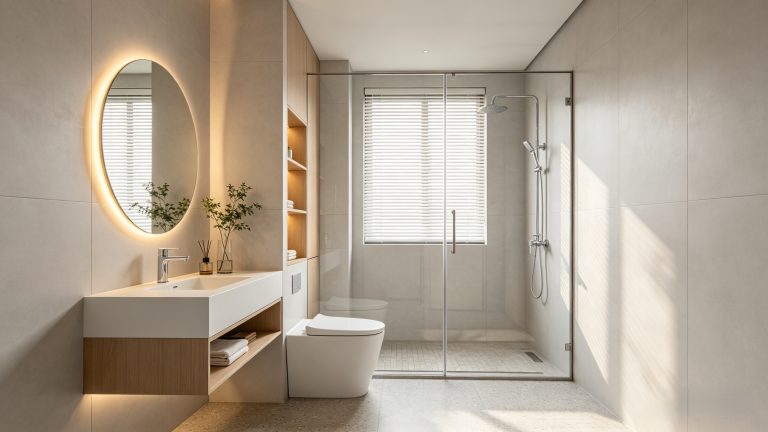
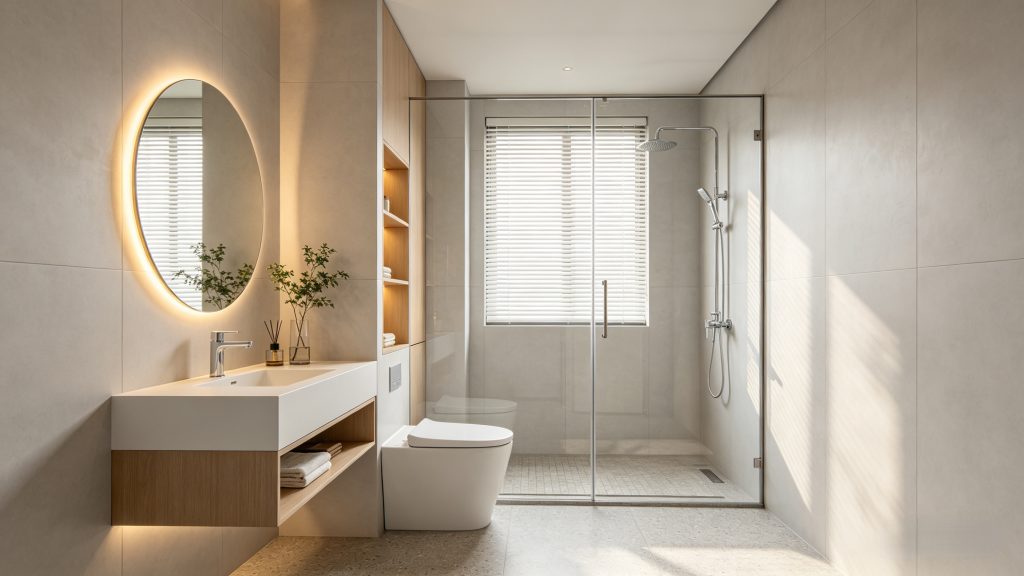
Minimalism remains a strong influence in 2026, focusing on clean lines and uncluttered spaces. This design approach emphasizes functionality and space maximization, often featuring wall-mounted vanities and frameless shower enclosures.
Neutral palettes dominate, with shades like soft whites, greys, and beiges creating a calming atmosphere. Brands such as IKEA and West Elm offer minimalist bathroom furniture that complements this serene design style, making it accessible to a wide audience.
Luxurious Spa Features
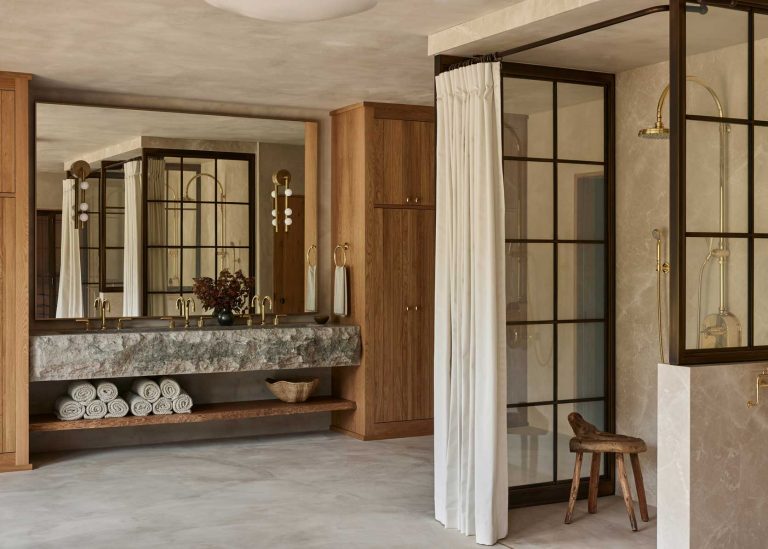
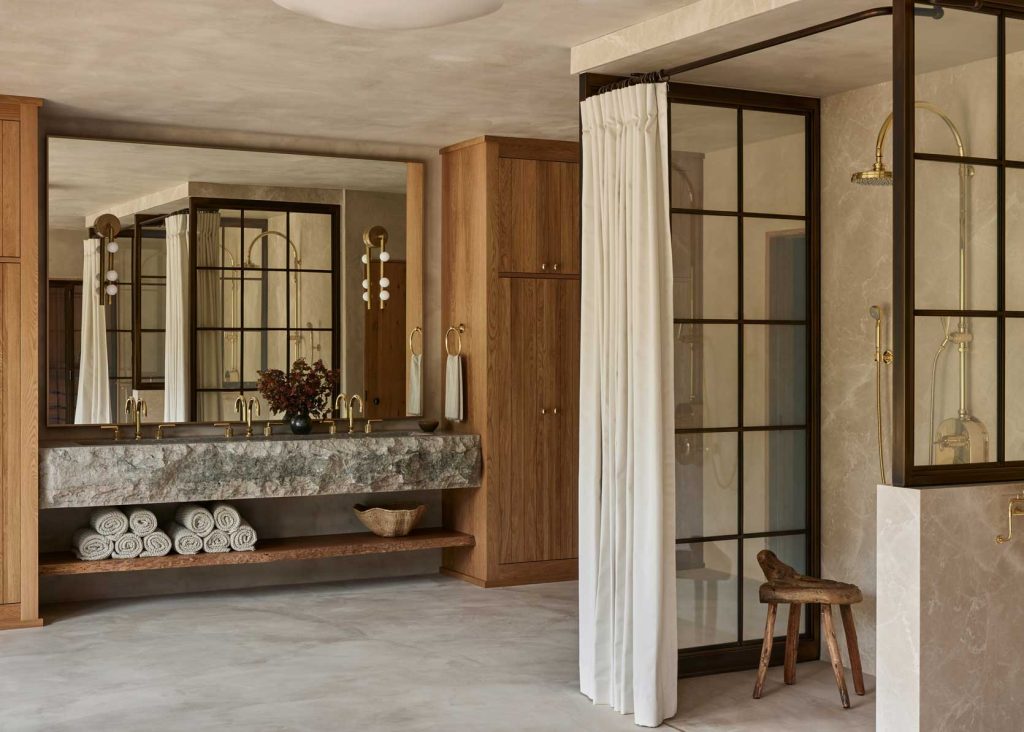
With wellness becoming a priority, bathrooms are turning into personal spa retreats. Features like rainfall showerheads, steam showers, and soaking tubs are in high demand, providing relaxation and rejuvenation at home.
High-end brands like Kohler and Grohe are crafting luxurious fixtures that promise a spa-like experience. These include chromotherapy lighting and aromatherapy systems, which can be seamlessly integrated into your daily routine to enhance well-being.
Bold Color Accents
While neutral tones dominate, 2026 sees a rise in bold color accents to create visual interest. Vibrant tiles, colorful vanities, and statement walls are used to inject personality into the space. These pops of color break the monotony and add a playful touch.
Designers are experimenting with shades like emerald green, navy blue, and terracotta to create focal points. Brands like Sherwin-Williams and Benjamin Moore offer a wide range of durable, high-quality paint options ideal for these bold accents, allowing for personalized style statements.
Step into the world of modern bathroom design and renovation with essential insights into transforming your outdated, inefficient bathroom into a sleek, functional, and inviting space. The bathroom is more than just a practical area—it’s a personal retreat where you start and end your day, and a well-designed modern bathroom can elevate your daily routine, boost your home’s value, and bring a sense of calm to your life. Understanding modern design principles, recognizing key renovation priorities, and adopting actionable ideas can turn even the smallest or most outdated bathroom into a contemporary oasis. Whether you’re aiming to refresh a small powder room, renovate a master bathroom, or simply update key elements, this guide provides practical, actionable knowledge. Learn from design experts, master renovation essentials, and gain the confidence to transform your bathroom into a modern space that blends style and functionality.
3 Modern Bathroom Renovation Ideas to Transform Your Space
What Makes a Modern Bathroom Stand Out?
Modern bathrooms are defined by clean lines, minimalism, functionality, and a focus on comfort—departing from the cluttered, outdated designs of the past. Unlike traditional bathrooms that prioritize ornate details and dark finishes, modern bathrooms embrace simplicity, natural light, and neutral color palettes, creating a serene and spacious atmosphere. A well-executed modern bathroom renovation not only improves the look of the space but also enhances its functionality, making daily tasks easier and more enjoyable.
The value of a modern bathroom renovation extends far beyond aesthetics. A updated bathroom can significantly increase your home’s resale value—real estate experts note that bathroom renovations often yield a high return on investment, as potential buyers prioritize modern, functional bathrooms. Additionally, modern bathroom features such as water-efficient fixtures, smart technology, and improved storage can reduce utility costs and make the space more eco-friendly. Unlike outdated bathrooms that may have leaky fixtures, poor lighting, or insufficient storage, modern bathrooms are designed to be efficient, low-maintenance, and tailored to modern lifestyles.
Many homeowners mistakenly assume that a modern bathroom renovation requires a large budget or extensive construction. However, even small, targeted updates—such as replacing fixtures, updating lighting, or adding storage—can transform the look and feel of a bathroom. Modern design is about intentionality, not excess, and focusing on key elements that combine style and functionality can create a dramatic transformation without breaking the bank. It’s also important to note that modern bathrooms are highly customizable, allowing you to tailor the space to your personal preferences and needs.
3 Modern Bathroom Renovation Ideas
1. Embrace Minimalist Design with Clean Lines and Neutral Palettes
Minimalism is the cornerstone of modern bathroom design, and it starts with clean lines, uncluttered spaces, and neutral color palettes. Unlike traditional bathrooms with busy patterns and ornate details, modern bathrooms prioritize simplicity, with smooth surfaces, sleek fixtures, and a cohesive color scheme that creates a sense of calm and spaciousness.
To incorporate minimalist design, start with the color palette. Opt for neutral tones such as white, gray, beige, or soft black—these colors reflect light, make the space feel larger, and provide a versatile backdrop for other design elements. Avoid bold, bright colors or busy patterns, which can make the space feel cluttered and overwhelming. Instead, add subtle texture through materials such as matte tile, natural stone, or wood accents to add warmth without sacrificing the minimalist aesthetic.
Choose fixtures with clean, sleek lines—think wall-mounted toilets, floating vanities, and frameless shower enclosures. These elements eliminate visual clutter, create more floor space, and enhance the modern look of the bathroom. Additionally, keep countertop surfaces clear of unnecessary items, using hidden storage solutions such as drawer organizers or built-in cabinets to maintain a tidy, uncluttered appearance. Minimalist design is about “less is more,” and focusing on essential elements will create a modern, timeless bathroom.
2. Upgrade to Water-Efficient and Smart Fixtures
Modern bathrooms are designed to be efficient and functional, and upgrading to water-efficient and smart fixtures is a key part of any renovation. Not only do these fixtures reduce water consumption and lower utility bills, but they also add convenience and modernity to the space, enhancing your daily routine.
Water-efficient fixtures include low-flow toilets, showerheads, and faucets. Low-flow toilets use significantly less water per flush than traditional models, while water-saving showerheads and faucets reduce water flow without sacrificing pressure. These fixtures are not only eco-friendly but also cost-effective, saving you money on water bills over time. Many water-efficient fixtures also have a sleek, modern design, making them a perfect fit for a modern bathroom.
Smart fixtures take modern bathrooms to the next level, adding convenience and luxury. Smart toilets with features such as heated seats, bidet functions, and automatic flushing provide a more comfortable and hygienic experience. Smart shower systems allow you to control water temperature and flow with a smartphone app or voice command, while smart faucets with touchless operation reduce the spread of germs. These features not only make the bathroom more convenient but also add a touch of luxury that elevates the space.
3. Enhance Lighting and Storage for Functionality and Style
Lighting and storage are two often-overlooked elements of bathroom design, but they are essential for creating a modern, functional space. Modern bathrooms require ample, layered lighting to create a bright, inviting atmosphere, while smart storage solutions help keep the space organized and clutter-free.
For lighting, embrace natural light whenever possible—install large windows or skylights to bring in natural light, which brightens the space and creates a sense of openness. Supplement natural light with artificial lighting, including overhead recessed lights for general illumination, task lighting around the vanity for grooming, and accent lighting to highlight design elements such as tile work or artwork. Choose modern light fixtures with clean lines, such as pendant lights or wall sconces, to complement the overall design.
Storage is crucial for maintaining a minimalist, modern bathroom. Floating vanities are a popular choice, as they free up floor space and provide hidden storage for toiletries and other items. Built-in shelves or niches in the shower or walls are another great way to add storage without cluttering the space. Use sleek, modern storage containers to organize smaller items, and opt for open shelving to display decorative elements such as plants or candles, adding warmth and personality to the space. By combining functional storage with modern design, you can keep your bathroom organized and visually appealing.
Practical Renovation Tips and Long-Term Benefits
Before starting your bathroom renovation, it’s important to plan carefully to ensure the project runs smoothly and meets your needs. Start by setting a budget and prioritizing key elements—focus on updates that will have the biggest impact, such as fixtures, lighting, or storage. Consider working with a professional designer or contractor if you’re undertaking a major renovation, as they can provide expert guidance and help you avoid common mistakes.
When choosing materials, opt for durable, low-maintenance options that are suitable for a bathroom environment. Porcelain or ceramic tile is a popular choice for floors and walls, as it is water-resistant and easy to clean. Natural stone such as marble or granite adds a touch of luxury but requires more maintenance. Additionally, ensure that the renovation complies with local building codes, especially when it comes to plumbing and electrical work.
A modern bathroom renovation offers long-term benefits beyond immediate aesthetic appeal. It increases your home’s resale value, reduces utility costs, and improves the functionality of the space, making your daily routine more enjoyable. A well-designed modern bathroom also serves as a personal retreat, providing a calm, relaxing space to unwind after a long day. Unlike outdated bathrooms that may feel cramped or inefficient, a modern bathroom is tailored to modern lifestyles, combining style and functionality in a way that enhances your quality of life.
Transforming your bathroom into a modern space is a worthwhile investment that pays off in both comfort and value. By embracing minimalist design, upgrading to efficient and smart fixtures, and enhancing lighting and storage, you can create a bathroom that is both stylish and functional. Remember, a modern bathroom is about intentionality and simplicity—focus on the elements that matter most to you, and you’ll end up with a space that feels like a personal oasis. Start your renovation journey today, and turn your outdated bathroom into a modern masterpiece that you’ll enjoy for years to come.