Home Blog

Affordable Housing Choices for Those Relying on Social Security Income

0

Affordable housing is a major concern for many people living on Social Security income, especially when rent, utilities, transportation, and daily needs all compete for the same fixed check. The challenge is not just finding a lower price, but finding a place that feels stable, manageable, and realistic over time. A good housing choice usually balances cost, access, safety, and day-to-day comfort.

Housing Basics For Fixed Income Living

Social Security benefits are adjusted through annual cost-of-living changes, but those adjustments do not always keep pace with housing costs in many areas. The Social Security Administration reports that more than 70 million people receive some type of Social Security benefit, and a large share depend on it as a main income source. That reality makes housing planning a practical necessity rather than an abstract budget exercise.

For many households, housing takes the largest share of monthly income, which is why location and unit type matter so much. A smaller apartment in a less central area may reduce rent, but it can also increase transportation time or limit access to stores and medical care. The best choice usually depends on which trade-offs feel manageable on a regular basis.

Senior Apartments And Age-Restricted Communities

Age-restricted communities often appeal to people living on Social Security because they are designed with older adults in mind. Many have quieter common areas, single-level layouts, elevators, and maintenance support that can reduce the strain of daily upkeep. The U.S. Department of Housing and Urban Development notes that age-restricted housing is commonly structured around adults age 55 and older, though specific rules vary by property.

These communities can also offer a more predictable environment than mixed-use buildings with high tenant turnover. That predictability matters when a person wants fewer surprises with noise, repairs, or building management. The trade-off is that availability can be limited, and rules may be more structured than in a standard rental.

Subsidized Rental Options And Waiting Lists

Income-based housing programs can make a major difference for people on fixed income, especially when local rent levels are high. Public housing and Housing Choice Vouchers are the two best-known federal rental assistance paths, and HUD continues to report long waiting lists in many regions because demand is greater than supply. That backlog is a key reason early planning matters.

Even when a program is not available immediately, it is still worth understanding how it works because eligibility rules are based on household income, local area limits, and property participation. Some properties accept vouchers while others do not, so location choices can be shaped by program acceptance as much as by personal preference. That makes patience and recordkeeping important parts of the process.

Smaller Homes And Manufactured Housing

Downsizing is often one of the most practical ways to stretch Social Security income. A smaller home can reduce heating, cooling, cleaning, and maintenance needs, all of which matter when income stays fairly steady from month to month. The U.S. Census Bureau has long shown that smaller households are common among older adults, which helps explain why compact housing often fits this stage of life well.

Manufactured housing is another option that deserves attention because it can offer a lower-cost path into private ownership or long-term rental. Quality can vary widely, so the condition of the unit, park rules, lot fees, and repair responsibilities should all be reviewed carefully. In some cases, the lower upfront cost is balanced by ongoing land lease charges, which can change the monthly picture.

Shared Housing And Roommate Arrangements

Shared housing is often overlooked, yet it can be one of the most flexible answers for people living on limited income. Sharing a home with a relative, friend, or trusted housemate can split rent, utilities, and sometimes even household labor. This model may also reduce isolation, which matters for overall well-being as people age.

Still, shared housing works best when expectations are clear. Decisions about privacy, guests, quiet hours, grocery storage, and maintenance should be settled early to avoid tension later. A simple written agreement can help prevent misunderstandings, especially when one person handles the lease or owns the property. It is less about formality and more about keeping the arrangement steady.

Accessory Dwelling Units And In-Home Suites

Accessory dwelling units, often called ADUs, have gained attention in many cities because they create smaller, separate living spaces on an existing property. An ADU may be attached or detached, and some are designed with age-friendly features such as step-free entry and compact floor plans. Local zoning rules determine whether they are allowed, and those rules have changed in many places over the last decade.

For some people, an ADU creates the right balance between privacy and affordability. Living near family can lower costs while still preserving a sense of independence. The main concerns usually involve access, safety, and whether the setup supports long-term mobility needs, especially if stairs, narrow hallways, or shared entrances become difficult later on.

Location Choices That Protect The Budget

A housing decision is never just about the monthly payment. A cheaper unit far from grocery stores, clinics, pharmacies, or public transit can quietly add cost through transportation and time. The National Association of Area Agencies on Aging often emphasizes the importance of nearby services for older adults, and that idea has clear financial value when every trip matters.

A good location can also reduce stress in ways that are easy to underestimate. Shorter trips to medical appointments, accessible sidewalks, and predictable bus routes can support independence longer than a lower rent number alone. In practical terms, a slightly higher housing cost may still make sense if it lowers other recurring expenses and keeps daily life simpler.

Utilities, Repairs, And Aging In Place

Housing affordability is not only about rent or mortgage payments. Utility bills, internet service, repairs, and seasonal maintenance can shape the real monthly burden, especially when income is fixed. Energy-efficient windows, good insulation, and reliable heating or cooling systems are not just comfort features; they can help stabilize costs over time.

Aging in place also depends on whether a home can adapt to changing needs. Features like grab bars, wider doorways, and step-free showers can make a space safer without requiring a major move. The Centers for Disease Control and Prevention has repeatedly linked home safety to fall prevention, which makes thoughtful housing design a practical health issue as well as a financial one.

Financial Planning Around Housing Decisions

A housing choice tends to work better when it is viewed as part of the full budget rather than as a separate expense. Social Security benefits may be steady, but small increases in rent or utilities can disrupt a narrow budget quickly. That is why many planners recommend leaving room for irregular expenses such as repairs, medication-related travel, and seasonal utility spikes.

It can also help to compare how long a housing option is likely to remain suitable. A place that works well for one year may become harder to manage if stairs, long commutes, or maintenance demands increase. Reading guidance from HUD and the Social Security Administration can help frame the decision in realistic terms, especially when the goal is stability rather than constant change.

Affordable housing choices for people relying on Social Security income are rarely perfect, but they do become easier to judge when the focus stays on daily life. A good option usually protects both the budget and the routine. It gives enough room to move, enough access to manage errands and appointments, and enough predictability to avoid constant financial strain. That may mean a senior apartment, a subsidized rental, a smaller home, a shared arrangement, or an accessory dwelling unit, depending on local availability and personal comfort. What matters most is not chasing the lowest number in isolation. It is choosing a setting that supports steady living over time, with manageable costs and fewer hidden pressures. Reliable sources such as HUD, the Social Security Administration, and the Census Bureau can help ground that decision in current rules and real-world trends.


Learn about the latest kitchen designs for 2026

0

The kitchen is no longer just a functional space for cooking; it has evolved into the “heart of the home” that combines practicality, intelligence, aesthetics, and environmental protection. As lifestyle concepts change and technological innovation advances, 2026 kitchen designs focus more on humanization, efficiency, and sustainability. By understanding the core trends, avoiding common renovation mistakes, and adopting scientific design strategies, you can create a kitchen that meets both daily needs and aesthetic pursuits. Let’s explore the key information about the latest kitchen designs in 2026.

2026 Kitchen Design Core Trends & Highlights

2026 kitchen designs break through the traditional functional positioning, integrating new technologies, new materials, and new lifestyles. Recognizing these core trends can help you grasp the latest fashion and practical direction of kitchen renovation:

Intelligent Integration & Active Service: The popularity of AI technology has made intelligent kitchens more accessible. The core trend is “active service” rather than passive operation. For example, AI cooking glasses with AR projection can real-time remind users of cooking steps and ingredient dosage, while AI range hoods automatically adjust air volume according to fume intensity. Embedded smart appliances such as dishwashers, steam ovens, and refrigerators support voice control and interconnection, forming a closed-loop smart kitchen system that greatly reduces the burden of cooking chores. Data shows that the penetration rate of smart kitchen appliances in family renovations has exceeded 60% in 2026, becoming a standard configuration for new kitchen designs.

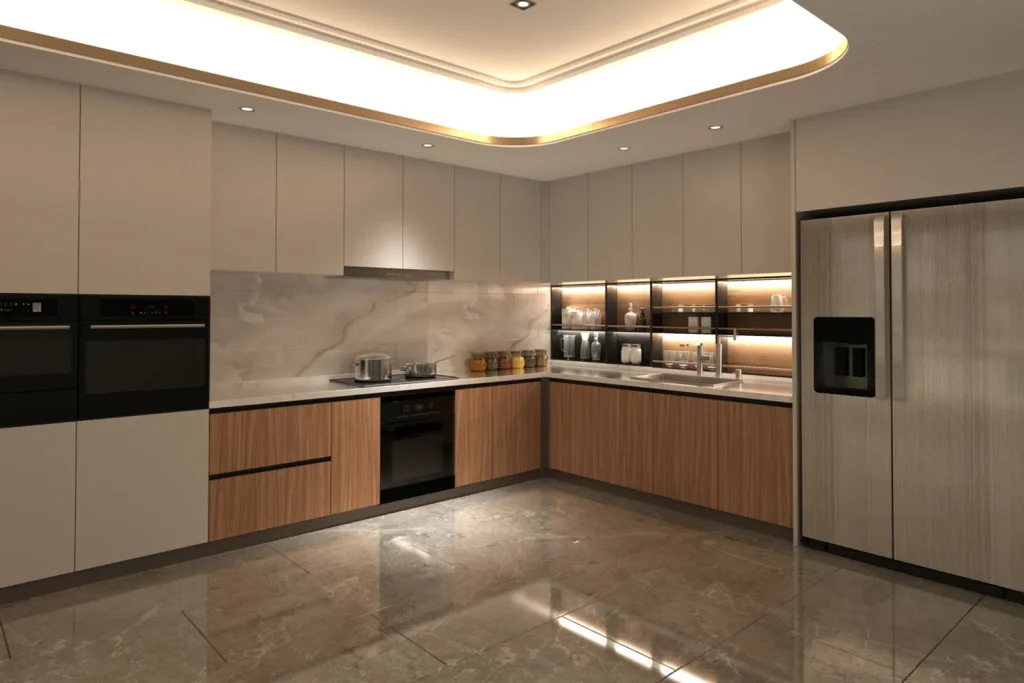
Minimalism Combined with Natural Elements: Minimalist style remains popular but tends to integrate natural elements. The color palette shifts from the all-white era to natural tones such as light green, light blue, and wood grain, creating a warm and comfortable atmosphere. Cabinet designs focus on simplicity and practicality, with hidden handles (such as 0.5cm door panel overhangs) replacing traditional exposed handles to avoid scratches and facilitate cleaning. Modular drawer cabinets account for more than 80% of kitchen cabinets, and electric lifting modules are added to adapt to family needs over ten years.

Flexible Layout & Humanized Ergonomics: The “multi-functional central island + semi-open layout” has become a new favorite, which not only increases operation space but also serves as a communication area, doubling space utilization. The height-adjustable countertop design (multi-layer three-level height distribution) is widely adopted, with the cooking area 5-10cm lower than the sink area, reducing waist and arm fatigue during operation. In small-sized kitchens, foldable countertops and wall-mounted storage racks are used to maximize space utilization without sacrificing functionality.

Environmental Protection & Durable Materials: Healthy and environmentally friendly materials have become the primary choice for 2026 kitchen renovations. Zero-formaldehyde cabinets, antibacterial hardware, and non-toxic coatings are widely used to ensure indoor air quality. For countertops, quartz stone (with more than 94% quartz sand content) is preferred for its durability, scratch resistance, and stain resistance, replacing fragile rock slabs and easy-to-seep natural marble. Waterproof and antibacterial materials are used for skirting storage, combined with intelligent damping systems to solve the problem of moisture and dirt accumulation.

These trends are not just about pursuing fashion; they are more about improving the quality of life. A well-designed 2026 kitchen can not only enhance the comfort of daily cooking but also increase the overall value of the home by 15-20%.

3 Common Mistakes in Kitchen Renovation That Ruin the Result

Many homeowners are eager to pursue the latest design trends but ignore practical details, leading to renovation failures that affect use experience and increase maintenance costs. Avoiding these three common mistakes is the first step to a successful kitchen renovation:

Blindly Following Trends and Ignoring Practicality: Some homeowners blindly install large-size tiles, complex ceilings, or high-end rock slab countertops without considering their actual needs. For example, blindly using large tiles on all walls will double the budget, while the areas covered by cabinets are a waste of materials. Choosing rock slab countertops for home use may lead to cracks when placing heavy objects or chopping bones, with high maintenance costs. Over-pursuing smart functions that are not frequently used also causes unnecessary waste of money.

Neglecting Details and Causing Hidden Dangers: Overlooking small details during renovation often leads to long-term troubles. Using cheap zinc alloy angle valves may cause aging and water leakage after 1-2 years, damaging cabinets and floors. Failing to install a high-quality check valve or improper installation will result in oil fume backflow from neighbors, affecting the living environment. Using cheap non-mildew glass glue at the joints of countertops and sinks will turn black and moldy in half a year, which is difficult to clean. These small details are often ignored but directly affect the service life and comfort of the kitchen.

Irreasonable Layout and Violation of Construction Sequence: Incorrect construction sequence and unreasonable layout are the main causes of renovation rework. For example, determining the size of embedded appliances after modifying water and electricity will lead to mismatched socket positions and inability to install appliances. Installing cabinets before ceiling will leave unsightly gaps and affect the overall appearance. The height of cabinets and countertops does not conform to ergonomic principles, leading to back pain and fatigue after long-term use. These mistakes not only waste time and money but also reduce the practicality of the kitchen.

3 Practical Steps to Achieve 2026’s Latest Kitchen Design

Achieving the latest 2026 kitchen design does not require excessive investment; it only needs scientific planning and rational matching. Incorporating these three steps into the renovation process can effectively avoid mistakes and create a practical and beautiful kitchen:

Plan the Layout and Determine the Function First: Before renovation, clarify the functional needs (such as the number of family members, cooking habits, and whether to use embedded appliances) and determine the layout type (straight line, L-shape, U-shape, or central island type) according to the kitchen area. For small kitchens, prioritize space utilization, choose foldable furniture and wall-mounted storage; for large kitchens, consider a semi-open layout with a central island to enhance functionality and interactivity. At the same time, determine the size of appliances in advance to reserve appropriate positions and sockets during water and electricity modification.

Select High-Quality Materials and Focus on Details: Choose materials that are durable, environmentally friendly, and easy to clean. For cabinets, select double-faced door panels with strong stain resistance and zero-formaldehyde boards; for countertops, choose 1.5-2cm thick quartz stone; for floor tiles, choose non-slip and wear-resistant materials with a 1-2% slope to avoid water accumulation. Pay attention to details such as replacing zinc alloy angle valves with pure copper ones, using high-quality check valves and mildew-proof glass glue, and reserving maintenance space for sewage pipes. These details can greatly improve the service life and comfort of the kitchen.

Integrate Intelligence and Humanized Design: Incorporate appropriate smart appliances according to actual needs, such as AI range hoods, large-capacity dishwashers, and track sockets that can be moved freely. Adopt humanized designs such as height-adjustable countertops, induction lights under cabinets, and skirting storage to improve the convenience of use. For the color matching, choose natural and warm tones, and use soft lighting layering to create a comfortable cooking environment. Ensure that every design is centered on “human needs” to achieve a balance between functionality and aesthetics.

The kitchen is the “emotional center” of the home, and its design is closely related to the quality of daily life. By grasping the 2026 latest design trends, avoiding common renovation mistakes, and adopting scientific and practical design strategies, you can create a kitchen that is both fashionable and practical. Start planning your kitchen renovation today, and let this warm space bring more joy to your family life.

Guide for Unemployed People to Obtain Loans

0

Being unemployed can bring significant financial pressure, especially when facing unexpected expenses, daily living costs, or the need to fund skill development for future employment. Many unemployed individuals mistakenly believe that without a stable job, they have no access to loans. However, while traditional loans often prioritize steady employment and regular income, there are still viable loan options tailored to the needs of the unemployed. This guide will break down the available loan types, key application requirements, practical application steps, and important precautions, helping you navigate the loan process smoothly and obtain financial support responsibly.

Common Loan Options for Unemployed People

Unemployed people do not have the advantage of regular salary income, so choosing the right loan type is crucial to improving the approval rate. Below are the most common and accessible loan options, each with its own characteristics and applicable scenarios:

1. Secured Loans – The most accessible option for the unemployed. Secured loans require borrowers to provide collateral, such as real estate, vehicles, gold, fixed deposits, or other valuable assets, to reduce the lender’s risk. Since the loan is backed by collateral, lenders are more willing to approve applications even if the borrower has no stable employment. The loan amount is usually 50%-80% of the collateral’s value, with a relatively low interest rate (lower than unsecured loans) and a flexible repayment period (ranging from 1 to 5 years). Common types include property-backed loans, vehicle title loans, and gold loans. It should be noted that failing to repay the loan on time may result in the loss of the pledged collateral.

2. Co-signed Loans – A reliable option for those without collateral. If you have no assets to pledge, you can ask a family member or friend with a stable job, good credit score, and regular income to act as a co-signer. The co-signer assumes joint responsibility for repaying the loan; if you fail to make payments, the co-signer will be required to take over. This type of loan leverages the co-signer’s credit and income to enhance your creditworthiness, making it easier to obtain approval for unsecured personal loans. Lenders will review both the borrower’s and co-signer’s credit history and financial situation, so it is important to choose a co-signer with a strong credit profile and ensure clear communication about repayment responsibilities to avoid damaging personal relationships.

3. Government-Backed Loans – Low-cost, policy-supported options. Many countries and regions offer loan programs specifically for unemployed individuals, aimed at helping them cover living expenses, start small businesses, or pursue skill training. These loans often feature low interest rates, flexible repayment terms, and even interest subsidies or repayment moratoriums. Eligibility criteria typically include proof of unemployment status, a clear loan purpose (e.g., business startup, education, or emergency expenses), and compliance with local policy requirements. Application channels usually include government financial departments, designated banks, or official online portals. It is recommended to check with local government agencies for the latest policy details and application requirements.

4. Credit Union and Peer-to-Peer (P2P) Loans – Flexible alternatives to traditional banks. Credit unions are more flexible than large commercial banks in their lending criteria and are more likely to consider the individual circumstances of unemployed borrowers, such as alternative income sources or personal relationships within the community. P2P lending platforms connect borrowers directly with individual lenders, who may be more willing to approve loans based on factors like credit history, education, or future employment prospects, rather than just current employment status. However, these options often come with higher interest rates than secured or government-backed loans, and it is important to choose reputable, regulated platforms to avoid fraud.

5. Emergency Microloans – For short-term, small-amount needs. If you only need a small sum of money to cover urgent expenses (e.g., medical bills, utility fees), emergency microloans are a viable option. These loans have a small loan amount (usually a few hundred to a few thousand dollars), a short repayment period (1 to 6 months), and a simplified application process. Some lenders do not require strict employment proof but may charge higher interest rates. They are suitable for temporary financial gaps and should not be used as a long-term solution.

Key Requirements for Unemployed People to Apply for Loans

While the specific requirements vary by loan type and lender, there are several core conditions that most lenders will consider. Meeting these requirements can significantly improve your approval chances:

1. Credit Score and Credit History – A good credit score is the foundation of loan approval. Lenders will check your credit report to assess your past repayment behavior, including whether you have missed payments on credit cards, loans, or utility bills. A credit score above 650 (on a 300-850 scale) is generally considered good; a low credit score (below 600) may result in rejection or higher interest rates. If your credit score is low, you can improve it by repaying any outstanding debts on time, correcting errors in your credit report, and avoiding excessive credit inquiries before applying for a loan.

2. Alternative Income Sources – Even without a full-time job, you can provide proof of alternative income to demonstrate your ability to repay the loan. Common alternative income sources include unemployment benefits, rental income from properties, investment returns (e.g., dividends, interest), freelance or gig work earnings, pension payments, or spousal income (with proper documentation). Lenders need to confirm that you have a stable and predictable income stream to cover monthly loan repayments. Be prepared to provide supporting documents, such as bank statements, rental agreements, or freelance work contracts.

3. Loan Purpose – Lenders will require a clear and legitimate loan purpose, such as covering living expenses, medical emergencies, skill training, starting a small business, or debt consolidation. Avoid using the loan for high-risk activities (e.g., gambling, speculative investments), as this will significantly reduce the approval rate. For government-backed loans, the loan purpose is often restricted to specific uses (e.g., business startup), so it is important to confirm the requirements in advance.

4. Basic Personal Documentation – Regardless of the loan type, you will need to provide basic personal information to verify your identity and eligibility. Common documents include a valid ID (passport, driver’s license, or national ID card), proof of address (utility bills, rental agreements, or bank statements), proof of unemployment status (unemployment benefits certificate, termination letter), and proof of alternative income (as mentioned above). For secured loans, you will also need to provide collateral-related documents (e.g., property deeds, vehicle title, gold valuation certificates).

Step-by-Step Guide to Applying for a Loan as an Unemployed Person

The loan application process for unemployed people is similar to that of employed individuals but requires additional preparation to address the lack of stable employment. Follow these steps to improve your chances of success:

Step 1: Assess Your Financial Situation and Loan Needs – First, calculate the exact amount of money you need to borrow and determine a reasonable repayment period. Avoid borrowing more than you can afford, as this will increase your financial burden and risk of default. Make a budget to estimate your monthly repayment capacity, considering your alternative income sources and essential living expenses. For example, if you receive unemployment benefits of $1,000 per month and have $500 in essential expenses, your monthly loan repayment should not exceed $300 to leave a buffer for unexpected costs.

Step 2: Choose the Right Loan Type – Based on your financial situation (e.g., whether you have collateral, a co-signer, or alternative income), select the most suitable loan type. If you have valuable assets, a secured loan is the best choice for lower interest rates. If you have a reliable co-signer, a co-signed loan can help you obtain an unsecured loan. If you meet the eligibility criteria, government-backed loans offer the most favorable terms. Avoid payday loans or high-interest predatory loans, as their exorbitant interest rates can trap you in a cycle of debt.

Step 3: Prepare All Required Documents – Gather all the necessary documents in advance to avoid delays in the application process. Double-check the document requirements with your chosen lender, as they may vary. For example, some lenders may require 3-6 months of bank statements to verify alternative income, while others may accept a letter from a freelance client confirming future earnings. Ensure all documents are valid, up-to-date, and complete to avoid application rejection.

Step 4: Compare Lenders and Submit Applications – Research and compare different lenders (banks, credit unions, P2P platforms, or government-designated institutions) to find the best terms. Compare factors such as interest rates, repayment periods, fees (e.g., application fees, origination fees), and approval requirements. Submit applications to 2-3 lenders to increase your chances of approval, but avoid submitting too many applications at once, as this can negatively impact your credit score. Be honest about your unemployment status and financial situation when filling out the application form – providing false information will result in immediate rejection and damage your credit history.

Step 5: Wait for Approval and Review the Loan Agreement – After submitting your application, the lender will review your documents, credit history, and repayment capacity. The approval process may take 1-5 business days, depending on the loan type and lender. Once approved, carefully review the loan agreement before signing. Pay close attention to the interest rate (fixed or variable), repayment schedule, late payment fees, prepayment penalties, and any other terms. If you have any questions, ask the lender for clarification – do not sign the agreement until you fully understand all the terms.

Step 6: Receive Funds and Repay on Time – After signing the agreement, the lender will disburse the funds to your bank account (usually within 1-3 business days). Once you receive the funds, use them for the intended purpose and make sure to repay the loan on time according to the schedule. Late payments will not only incur additional fees but also damage your credit score, making it harder to obtain loans in the future. If you encounter difficulties repaying, contact the lender in advance to discuss possible solutions (e.g., extending the repayment period, adjusting the monthly payment amount) instead of defaulting on the loan.

Important Precautions for Unemployed Loan Applicants

Obtaining a loan while unemployed requires extra caution to avoid financial risks. Keep the following points in mind to protect your financial health:

1. Avoid Predatory Lenders and Scams – Be wary of lenders that promise “guaranteed approval” or “no credit check” with extremely high interest rates (often exceeding 30%). These are likely predatory lenders that target vulnerable unemployed individuals. Additionally, watch out for scams that require you to pay upfront fees (e.g., application fees, processing fees) before receiving the loan – legitimate lenders do not charge upfront fees. Always verify the lender’s legitimacy by checking their license and customer reviews.

2. Do Not Over-Borrow – Only borrow the amount you truly need and can afford to repay. Over-borrowing will increase your monthly repayment burden, especially if your alternative income is unstable. Calculate your repayment capacity carefully and avoid taking on more debt than you can handle. Remember that loans are a temporary solution, not a long-term financial strategy – focus on finding employment or increasing your alternative income to improve your financial situation fundamentally.

3. Protect Your Credit Score – Your credit score is crucial for future loan applications, employment opportunities, and even rental applications. Make sure to repay your loan on time, avoid defaulting, and regularly check your credit report for errors. If you have other debts (e.g., credit cards), repay them on time as well to maintain a good credit history. A good credit score will not only help you obtain loans more easily but also qualify for lower interest rates.

4. Understand the Risks of Collateral and Co-Signers – If you take out a secured loan, remember that failing to repay will result in the loss of your collateral (e.g., your home or car). If you use a co-signer, defaulting on the loan will damage both your credit score and the co-signer’s credit score, and the co-signer will be legally obligated to repay the loan. Only use these options if you are confident in your ability to repay the loan on time.

5. Explore Alternative Financial Support First – Before applying for a loan, consider alternative sources of financial support, such as unemployment benefits, community assistance programs, grants for skill development, or borrowing from family and friends (with clear repayment terms). These options often have no interest or lower risks and can help you avoid taking on debt unnecessarily.

Final Thoughts

Being unemployed does not mean you have no access to loans – with the right approach, you can obtain the financial support you need to navigate this challenging period. The key is to choose the right loan type, prepare sufficient documentation to demonstrate your repayment capacity, and borrow responsibly. Remember that a loan is a tool to help you through a difficult time, not a solution to long-term financial problems. Focus on improving your employability, increasing your income, and managing your finances wisely to achieve long-term financial stability. By following the guidance in this article, you can obtain a loan safely and effectively as an unemployed person.

Learn about the best weight loss methods in 2026

0

Obesity has become one of the most prevalent chronic health issues worldwide, affecting hundreds of millions of people regardless of age and gender. It is not just a matter of appearance; it is a complex disease that significantly increases the risk of various life-threatening conditions, including type 2 diabetes, hypertension, cardiovascular diseases, and even certain cancers. The process of weight gain is often gradual and overlooked, making scientific weight management far more crucial than blind weight loss. By recognizing the hidden signals of obesity, avoiding weight-gain-promoting habits, and adopting evidence-based weight loss methods, you can effectively shed excess weight and improve your overall health. Let’s dive into the key information that helps you achieve healthy weight loss in 2026.

Hidden Signals & Harms of Obesity

Obesity does not happen overnight, and its early signs are often subtle and easily ignored. Recognizing these signals can help you intervene in time and avoid further health damage:

Persistent weight gain & difficulty losing weight: Gradual weight gain (2-5kg in 3 months without obvious reason), and even if you try to control your diet slightly, you find it hard to lose weightβ€”this is the most common early signal, often dismissed as “normal for sedentary life.”

Chronic fatigue & poor mental state: Constant tiredness, lack of energy even after adequate rest, and frequent irritability or low mood. Excess fat accumulation increases the body’s metabolic burden, leading to insufficient energy supply to organs and tissues.

Metabolic abnormalities & physical discomfort: Abnormal blood sugar (frequent hunger, thirst, or frequent urination), elevated blood lipids, and joint pain (especially in the knees and waist)β€”signs that obesity is damaging your metabolic system and musculoskeletal health.

Digestive & sleep issues: Bloating, constipation, or indigestion after meals, as well as snoring, sleep apnea, or poor sleep quality. Excess abdominal fat compresses the digestive tract and respiratory system, affecting normal bodily functions.

If left unaddressed, obesity progresses steadily and causes irreversible damage to the body. It not only impairs metabolic function (leading to insulin resistance, fatty liver, and metabolic syndrome) but also increases the risk of severe diseases such as myocardial infarction and stroke by 2-3 times compared to people with normal weight. It also brings psychological burdens such as low self-esteem and anxiety, forming a vicious cycle of weight gain and mental distress. Scientific weight management in the early stage is therefore the best way to protect your health.

3 Bad Habits That Hinder Weight Loss & Worsen Obesity

Many daily habits silently promote weight gain and make weight loss ineffective. Avoiding these three habits is the first step to successful weight management:

Unhealthy eating habits & irregular meals: Eating too fast (finishing a meal in 5 minutes), distracted eating (watching phones or TV while eating), or skipping breakfastβ€”these behaviors lead to overeating without awareness. A study involving 8,982 Japanese workers found that fast eaters are 2.92 times more likely to be overweight than slow eaters. Additionally, frequent consumption of high-oil, high-sugar, and crispy foods (such as potato chips, pastries, and fried foods) and drinking sugary beverages add excessive calories, while irregular meals disrupt the body’s metabolic rhythm.

Prolonged inactivity & sedentary lifestyle: Sitting for more than 8 hours a day (such as working at a desk, watching TV, or playing with phones) reduces calorie consumption and slows down metabolism. The body will store excess energy as fat, especially abdominal fat, increasing the risk of central obesity. Even occasional intense exercise cannot make up for the harm caused by long-term sedentary behavior, as it fails to improve long-term metabolic levels.

Ignoring sleep & emotional eating: Staying up late (sleeping less than 7 hours a day) disrupts the secretion of hunger hormones (ghrelin and leptin), increasing appetite and craving for high-calorie foods. Moreover, using food to relieve stress or negative emotions (emotional eating) often leads to overconsumption of high-fat and high-sugar foods, making weight loss more difficult. A study published in the journal Cell found that irregular sleep and emotional eating can jointly induce excessive fat absorption by intestinal cells, accelerating weight gain.

3 Best Weight Loss Methods in 2026

Healthy weight loss in 2026 is no longer about blind dieting or excessive exerciseβ€”it focuses on scientific, sustainable methods that combine diet, exercise, and scientific assistance. Incorporating these three methods into your daily life can help you lose weight effectively and maintain a healthy figure:

Adopt a balanced diet & avoid high-calorie traps: Focus on a nutrient-dense diet rich in vegetables (such as broccoli, spinach, and cabbage), fruits (such as berries, apples, and grapefruits), whole grains (such as oats, quinoa, and brown rice), and lean proteins (such as fish, chicken breast, and tofu)β€”these foods provide satiety, promote metabolism, and ensure the body gets essential nutrients. Follow a reasonable meal order: eat vegetables first, then protein, and finally whole grains, which helps stabilize blood sugar and reduce overeating. Strictly limit sugary beverages, fried foods, and processed snacks, and avoid soup-soaked rice or overeating after meals to cut off excessive calorie intake.

Insist on regular exercise & maintain an active lifestyle: Combine moderate-intensity aerobic exercise with resistance trainingβ€”this is the most scientific exercise mode in 2026. Do 30 minutes of moderate activity (such as brisk walking, swimming, cycling, or yoga) 5 times a week, and add 2-3 times of resistance training (such as dumbbells, push-ups, or squats) to maintain muscle mass while burning fat. According to the Guidelines for Weight Management (2024 Edition), accumulating at least 250 minutes of moderate-intensity exercise per week can effectively promote fat burning and improve metabolic levels. Avoid prolonged sitting: stand up and move for 5-10 minutes every hour to increase daily calorie consumption.

Scientific assistance: Rational use of 2026’s mainstream weight loss drugs under medical guidance. With the continuous advancement of medical technology, new weight loss drugs have achieved breakthroughs in safety and effectiveness. For example, some newly developed weight loss drugs, a type of innovative amylin analog, have shown excellent results in phase II clinical trials: after 42 weeks of use, patients lost an average of 10.7% of their body weight, while the placebo group only lost 1.7%. Unlike traditional weight loss drugs, these new weight loss drugs have mild side effectsβ€”no vomiting occurred, and gastrointestinal discomfort was minimal, with symptoms disappearing almost after reaching the maintenance dose. They work by activating receptors to restore leptin sensitivity, making you feel full faster after eating and reducing food intake. As an auxiliary means, weight loss drugs can significantly improve the effect of diet and exercise, especially for people with BMI β‰₯ 28 or those who have difficulty losing weight through lifestyle intervention alone. It should be emphasized that weight loss drugs are not a substitute for diet and exercise, and must be used under the guidance of doctors to ensure safety and effectiveness.

Weight management is a long-term journey, not a short-term rush. The best weight loss method in 2026 is to combine a healthy diet, regular exercise, and scientific assistance, forming a sustainable lifestyle. Obesity is not a “cosmetic problem” but a “health issue” that deserves our attention. By recognizing hidden signals, ditching harmful habits, and adopting scientific methods, you can shed excess weight, improve your metabolic health, and embrace a more energetic and healthy life. Start with small changes todayβ€”your body will thank you with a better state.

Early symptoms and prevention of breast cancer

0

Breast cancer is one of the most common malignant tumors in women worldwide, and its incidence rate has been on the rise in recent years. Unlike some cancers that are difficult to detect in the early stage, breast cancer has obvious early signals that can be found through careful observation. Timely recognition of these symptoms, avoiding high-risk factors, and taking scientific prevention measures can greatly improve the early detection rate and cure rate of breast cancer. Let’s explore the key knowledge to protect breast health and stay away from breast cancer.

Early Symptoms of Breast Cancer

Breast cancer’s early symptoms are often mild and easy to be ignored, mistook for common breast hyperplasia or inflammation. However, paying attention to the following subtle changes can help achieve early detection and intervention:

Breast lumps: This is the most common early symptom of breast cancer. The lump is usually hard, with irregular shape, unclear boundary, and poor mobility. It is often painless or slightly tender, and is most likely to appear in the upper outer quadrant of the breast. Unlike benign breast lumps, which are usually soft, regular, and movable, breast cancer lumps rarely disappear on their own and will gradually increase over time.

Nipple changes: Abnormal nipple retraction or inversion that was not present before, or nipple deviation to one side. In addition, nipple discharge is also a common signalβ€”especially bloody discharge (bright red, dark red, or brown), which is highly suggestive of abnormal breast lesions and needs timely medical examination.

Breast skin abnormalities: The skin of the breast may appear β€œorange peel-like” changes, that is, small pits similar to orange peel, which is caused by the tumor invading the connective tissue under the skin. In some cases, the skin may also have local redness, swelling, or ulcers that do not heal for a long time, which are easy to be mistaken for skin inflammation.

Axillary lymph node enlargement: Without obvious inflammation, the axillary lymph nodes on the affected side are enlarged, hard, painless, and have poor mobility. This may be a sign that breast cancer has begun to spread, so it should not be ignored.

It should be noted that not all breast lumps are cancerous, but once the above symptoms appear, it is necessary to go to the hospital for breast ultrasound, mammography, or other examinations in time to rule out the possibility of cancer. Early detection and treatment can significantly improve the 5-year survival rate of breast cancer patients.

High-Risk Habits That Increase Breast Cancer Risk

Breast cancer is closely related to daily living habits. Many bad habits in life will silently damage breast health and increase the risk of cancer. Avoiding these habits is an important part of prevention:

1. Long-term hormone disorder: The occurrence of breast cancer is closely related to estrogen levels. Long-term use of hormone-containing health products, contraceptives, or irregular menstruation (such as early menarche, late menopause) will lead to long-term stimulation of breast tissue by estrogen, increasing the risk of cancer. In addition, obesity in women will lead to increased estrogen secretion in the body, which is also a high-risk factor for breast cancer.

2. Unhealthy lifestyle: Long-term staying up late, lack of exercise, and excessive mental pressure will disrupt the body’s endocrine balance, reduce immunity, and create conditions for the occurrence and development of breast cancer. In addition, long-term smoking and drinking will also increase the risk of breast cancerβ€”alcohol can promote the synthesis of estrogen, and nicotine will damage breast tissue.

3. Ignoring family history and skipping regular screenings: If there is a family history of breast cancer (especially immediate relatives such as mothers and sisters with breast cancer), the risk of developing breast cancer will be significantly higher than that of the general population. Many women ignore regular breast screenings because they have no obvious symptoms, missing the best opportunity for early detection. For high-risk groups, skipping screenings is equivalent to giving up the first line of defense against breast cancer.

Effective Prevention Methods of Breast Cancer

Preventing breast cancer is not complicated. Integrating the following methods into daily life can effectively reduce the risk and protect breast health:

1. Maintain endocrine balance and avoid hormone abuse: Do not take hormone-containing health products or drugs without the guidance of a doctor. For women with irregular menstruation, they should go to the hospital for treatment in time to adjust their endocrine status. At the same time, control their weight through a reasonable diet and exercise to avoid obesity-induced estrogen increase.

2. Develop a healthy lifestyle: Ensure adequate sleep, avoid staying up late, and let the body’s endocrine system work normally. Insist on regular exercise: 30 minutes of moderate-intensity exercise (such as brisk walking, yoga, swimming) 4-5 times a week can improve immunity, regulate hormone levels, and reduce the risk of breast cancer. Keep a positive and optimistic attitude, relieve mental pressure in time, and avoid long-term anxiety and depression.

3. Insist on regular screenings and self-examination: Women over 20 years old should do a breast self-examination once a month (7-10 days after menstruation, when the breast is the softest and easiest to find abnormalities); women over 40 years old should undergo a breast ultrasound and mammography every year. For high-risk groups (with family history, obesity, or hormone disorder), the screening frequency should be increased, and relevant examinations should be carried out under the guidance of doctors.

Breast health is crucial to women’s physical and mental health. By mastering the early symptoms of breast cancer, avoiding high-risk habits, and adhering to scientific prevention and screening, we can effectively reduce the risk of breast cancer. Remember, breast cancer is not terribleβ€”early detection, early diagnosis, and early treatment are the key to defeating it. Start with daily small habits to protect your breast health.

Spanish learning guide for beginners

0

Spanish is one of the most widely spoken languages globally, with rich cultural connotations and practical value. For beginners, its gentle pronunciation, regular grammar, and close connection to daily life make it a relatively easy language to get started with. However, many new learners often fall into misunderstandings, form inefficient learning habits, and even give up halfway. By understanding common beginner mistakes, avoiding counterproductive habits, and adopting scientific learning methods, you can lay a solid foundation and make steady progress in Spanish learning. Let’s explore the key information that helps beginners embark on a smooth Spanish learning journey.

Beginners’ Common Misconceptions & Harms

Spanish is often regarded as a β€œeasy-to-learn” language, but beginners tend to have some wrong cognitions at the initial stage, which affect their learning effect and progress. Recognizing these misunderstandings in time can help you avoid detours:

Mistake 1: Prioritizing vocabulary over pronunciation and grammar – Many beginners rush to memorize a large number of words as soon as they start, ignoring the practice of pronunciation and basic grammar. As a result, they can only β€œrecognize words” but cannot β€œspeak them correctly” or β€œuse them properly”, and even form incorrect pronunciation habits that are difficult to correct later.

Mistake 2: Being afraid of making mistakes and refusing to speak – Due to the fear of mispronunciation, wrong grammar, or being laughed at, many beginners only read and memorize silently, and dare not open their mouths to speak. Language is a tool for communication; without speaking practice, you can never truly master it, and even fall into the dilemma of β€œdumb Spanish”.

Mistake 3: Pursuing speed while ignoring solidity – Some beginners are eager to learn complex sentences and difficult words in a short time, skipping the consolidation of basic knowledge. This leads to a weak foundation: they can memorize complex words but cannot use simple sentences flexibly, and their learning effect is unsustainable.

If these misunderstandings are not corrected in time, they will not only reduce learning efficiency but also gradually dampen your enthusiasm, making you feel frustrated and even give up learning. Establishing a correct learning concept is the first step to successful Spanish learning.

3 Bad Habits That Hinder Spanish Learning

In addition to wrong cognitions, some daily learning habits also silently affect your Spanish progress. Avoiding these three bad habits is the key to improving learning efficiency:

1. Fragmented learning without persistence – Many beginners learn Spanish β€œon a whim”: they spend several hours cramming one day, and then don’t touch it for a week. Spanish learning requires long-term accumulation; fragmented and intermittent learning makes it difficult to form a memory chain, and what you have learned will soon be forgotten. Even 30 minutes of fixed daily learning is far more effective than intermittent cramming.

2. Learning in isolation without practical application – Some beginners only focus on textbooks and exercise books, never using Spanish in real life. They can do well in written exercises but cannot understand simple Spanish dialogues, nor can they express their own ideas. Language learning is inseparable from application; without combining with daily scenarios, the learned knowledge will always be β€œbook knowledge” and cannot be truly internalized.

3. Over-reliance on translation tools – When encountering unfamiliar words or sentences, many beginners immediately use translation tools to get the Chinese meaning, without trying to guess based on context or consult dictionaries. This habit makes it impossible to cultivate the ability of independent thinking and language sense, and also makes it difficult to remember words deeply. Over time, you will become dependent on translation tools and lose the ability to understand and express independently.

3 Effective Ways to Learn Spanish for Beginners

Learning Spanish well does not require β€œtalent” or β€œspending a lot of time”; integrating these three scientific methods into daily learning can help you make steady progress:

1. Lay a solid foundation: Focus on pronunciation and basic grammar first – Start with Spanish pronunciation: learn the pronunciation of each letter (especially the unique letters like Γ±, ll), stress rules, and intonation, and practice repeatedly through listening and imitating. For basic grammar, focus on mastering simple sentence structures (such as subject-verb-object order), present tense of common verbs, and basic prepositions. You can use beginner-friendly textbooks or apps (such as Duolingo, Babbel) to learn systematically, and do simple exercises to consolidate what you have learned every day.

2. Integrate into daily life: Create an immersive learning environment – Turn Spanish learning into a part of daily life: listen to Spanish songs (choose simple and easy-to-understand songs, such as β€œDespacito” or children’s songs) during commuting; watch Spanish movies or TV dramas with subtitles (start with cartoons or short videos to reduce difficulty); label daily items at home with Spanish words (such as β€œla puerta” for door, β€œla mesa” for table); try to use simple Spanish to record your daily life (such as writing a sentence about what you eat for breakfast).

3. Insist on practice: Speak actively and review regularly – Overcome the fear of making mistakes and speak actively: find a language partner (online or offline) to practice daily dialogues; talk to yourself in Spanish (such as describing what you are doing); read Spanish articles aloud to improve pronunciation and language sense. At the same time, insist on regular review: review the words and grammar learned the previous day every morning, and sort out the wrong questions once a week to avoid repeating mistakes. Persistence is the most important factor in language learningβ€”even 30 minutes of effective learning every day will bring obvious progress over time.

Spanish learning is a journey of accumulation and persistence, not a race for speed. By correcting misunderstandings, ditching bad habits, and adhering to scientific methods, you can gradually build confidence and feel the joy of learning. Remember, every word you memorize, every sentence you practice, and every time you open your mouth is moving you closer to mastering Spanish. Start with small steps today, and you will be able to speak Spanish fluently in the future.

Discover Popular Color Combinations for Modern Kitchen Cabinets

0

Kitchen cabinets do more than hold dishes and pantry staples. They set the tone for the entire room, influence how light moves through the space, and shape how modern a kitchen feels over time. Color combinations matter because they affect mood, upkeep, resale appeal, and the way everyday routines feel in a busy home.

Soft Neutrals With Warm Wood

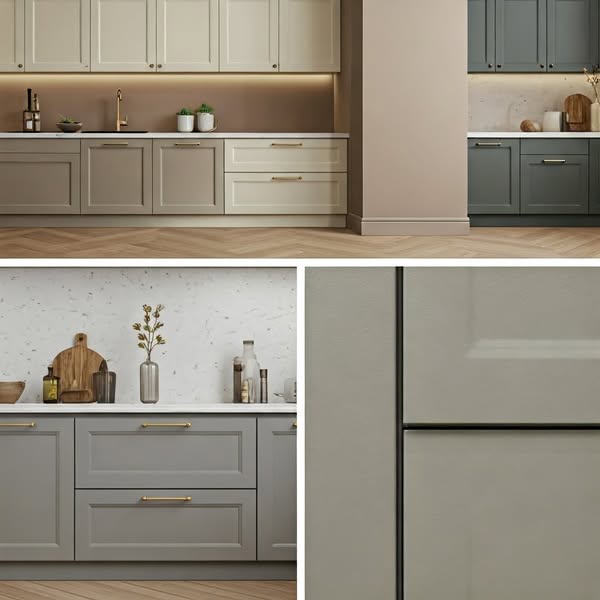
One of the most enduring directions in modern kitchen design is pairing soft neutrals with natural wood tones. White, ivory, taupe, and pale gray create a clean backdrop, while oak, walnut, or ash adds warmth and texture. This balance works well because it avoids the flatness that can happen when a kitchen relies on a single tone.

The National Kitchen and Bath Association has long reported that white and light neutrals remain among the most commonly requested kitchen cabinet finishes, which makes sense in spaces that need to feel bright and adaptable. Wood accents also help modern kitchens avoid feeling cold, especially in homes that use open layouts and lots of hard surfaces. A neutral-and-wood pairing tends to age well because it complements changing wall paint, flooring, and decor choices.

Deep Navy With Crisp White

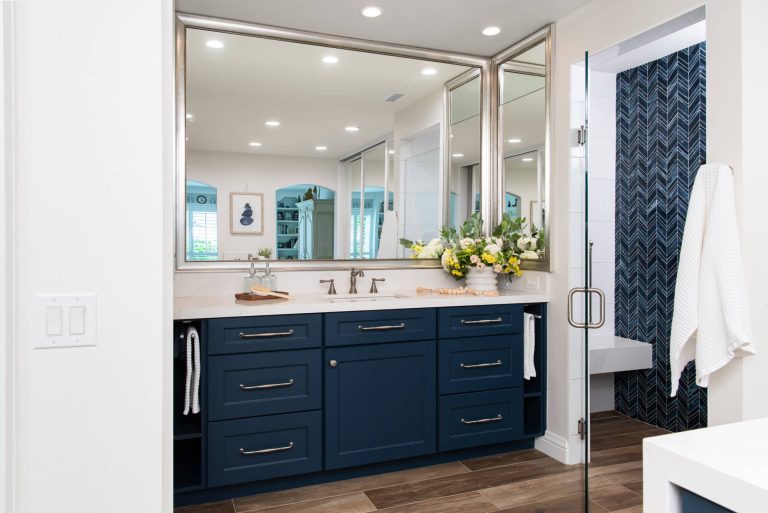
Navy and white remain a classic combination for modern cabinets because the contrast feels sharp without becoming harsh. A deep blue base brings depth and a grounded look, while white uppers or surrounding surfaces keep the room open and airy. The result feels polished and current, especially in kitchens with plenty of natural light.

Design surveys from major paint and kitchen organizations consistently place blue among the most popular cabinet color families, and navy is often favored for its ability to feel both traditional and modern. This pairing is especially useful in medium or larger kitchens, where darker lower cabinets can anchor the room. It also works nicely with brushed brass, matte black, or stainless hardware, depending on how bold or restrained the overall style should feel.

Charcoal With Pale Oak

Charcoal cabinets paired with pale oak create a modern look that feels balanced and practical. Dark gray adds a sleek edge, while light wood softens the overall effect and keeps the space from feeling heavy. This combination is especially appealing in kitchens with minimal ornamentation, flat-panel doors, and simple hardware.

Dark cabinet finishes have become more common in contemporary homes because they hide everyday wear better than highly reflective surfaces, though they can show dust more readily than medium tones. Pale oak brings visual relief and warmth, which matters in kitchens that need to feel welcoming rather than industrial. The contrast also helps define zones in an open-plan layout, especially when cabinets extend into a dining or living area.

Sage Green With Cream

Sage green has become a popular cabinet color because it feels calm, natural, and easy to live with. Paired with cream, it creates a softer contrast than pure white, making the kitchen feel relaxed instead of stark. This combination works particularly well in homes that want a modern look without leaning too cold or overly formal.

Green cabinetry has strong staying power because it connects easily with plants, stone surfaces, and natural textures. Benjamin Moore and other major paint brands have noted the steady popularity of muted greens in recent color trend reports, and sage often leads because it feels familiar and fresh at the same time. Cream uppers or walls help reflect light, which is useful in kitchens that do not get much sun during the day.

Black With Natural Wood

Black and wood is one of the strongest modern pairings for cabinets because it mixes contrast with comfort. Matte black lowers or an island can bring definition and drama, while wood keeps the room from becoming too severe. The combination works especially well in kitchens with simple layouts, slab doors, and minimal decorative clutter.

This pairing is common in modern and Scandinavian-inspired spaces because it relies on material contrast rather than excessive ornament. The black surface gives a clear visual anchor, while wood grain adds movement and a sense of quality. In practical terms, darker cabinets can make fingerprints less obvious than high-gloss finishes, though lighting should be planned carefully so the kitchen still feels open and usable.

Greige With White

Greige, a mix of gray and beige, paired with white cabinets or walls offers a quiet modern look that feels flexible in many homes. It sits comfortably between warm and cool, which makes it useful when the rest of the kitchen includes mixed materials such as stone counters, tile backsplashes, and metal accents. The overall effect is calm and tidy.

Industry color trend reports often highlight greige because it bridges older beige-heavy styles and newer gray-led designs. That makes it appealing for renovations where the goal is a refreshed look without making the room feel overly trendy. White upper cabinets or trim can keep the space bright, while greige lowers or an island add just enough depth to define the layout.

Olive Green With Matte Black

Olive green and matte black create a more grounded modern palette that feels rich without needing bright contrast. Olive has enough warmth to soften the black, and the black gives the green a tailored edge. This pairing works best when the room has natural textures, simple lighting fixtures, and uncomplicated cabinet profiles.

Earth-toned palettes have grown in popularity as more homeowners favor kitchens that feel connected to nature and daily life rather than overly polished. Olive cabinets can also hide minor imperfections better than very pale finishes, which matters in high-use areas. Matte black hardware or accents keep the look unified and help the space feel intentional rather than busy.

White With Soft Gray

White and soft gray remain one of the safest modern combinations because they feel clean, bright, and easy to adapt. White cabinets or uppers make the room feel larger, while gray lowers, an island, or perimeter cabinets create subtle structure. This pairing is especially effective in kitchens that need to support changing decor over time.

According to color preference surveys from major home paint brands, light neutrals continue to rank highly because they offer flexibility and broad visual appeal. Soft gray brings just enough contrast to prevent the kitchen from feeling flat, but it still avoids the heaviness of darker tones. This makes the combination useful in compact kitchens, rental updates, and family homes where simplicity matters.

How Lighting Changes Color

Cabinet color choices never stand alone, because lighting can dramatically change how every finish reads. Natural daylight tends to make whites look cleaner and blues or greens more vivid, while warm evening lighting can pull out beige, yellow, or red undertones. The same cabinet sample may look very different from one room to another, which is why testing in the actual space matters.

A kitchen with north-facing light often benefits from warmer cabinet colors such as cream, greige, or natural wood, while a sun-filled room can handle deeper shades like navy or charcoal with less risk of feeling dark. LED lighting also plays a role, since color temperature can shift the appearance of paint and finish. The U.S. Department of Energy notes that lighting quality strongly affects how spaces are perceived, and kitchens are especially sensitive because they blend task lighting with ambient light.

Hardware And Countertop Pairings

Cabinet colors feel more complete when they work with hardware and counters instead of competing with them. Brass tends to warm up cool cabinet colors, black hardware sharpens light cabinets, and stainless steel often supports a more practical modern look. Countertop materials matter too, since busy stone patterns can overpower cabinet color if the palette is already strong.

A simple rule used by many designers is to let one surface lead while the others support it. For example, bold navy cabinets often pair best with quieter counters, while white or greige cabinets can handle more visible stone movement. This approach keeps the kitchen from feeling crowded. It also makes maintenance easier, because the room appears organized even when everyday items are out on the counter.

Choosing A Combination That Lasts

The best cabinet color combination is usually the one that fits both the architecture of the home and the rhythm of daily use. A bright, airy kitchen may suit white and gray better, while a kitchen that needs warmth may feel better with wood and cream. Since cabinets are among the most visually dominant features in a kitchen, the color choice influences the whole room for years.

The most durable combinations tend to share a few traits: balanced contrast, practical lighting, and finishes that do not depend too heavily on a passing style. That is why neutral-and-wood pairings, navy and white, and greige-based palettes continue to appear in kitchen design reports year after year. Kitchen and bath industry guidance, along with paint brand color trends, points to the same idea: the most successful combinations are the ones that feel comfortable in real life, not just in a showroom. A good palette supports cooking, gathering, cleaning, and everyday movement without demanding constant attention. It also gives the home a sense of calm that lasts beyond the first impression.

How Drop Wall Panels Enhance Your Home’s Aesthetics and Functionality

0

Drop wall panels have become a practical way to reshape the feel of a room without a full renovation. They can soften a plain interior, improve how a wall performs, and make everyday spaces feel more finished. For many homes, the appeal is not just visual. It is also about adding texture, helping protect surfaces, and creating a layout that feels more intentional and comfortable.

Why Drop Wall Panels Matter In Modern Homes

One reason drop wall panels stand out is their ability to change a room’s character with relatively little disruption. A flat wall can feel unfinished, while panels introduce depth, pattern, and structure. Interior design trends often cycle, but wall treatments have remained a steady part of home styling for decades because they work in both traditional and contemporary spaces.

In practical terms, wall panels can also help support better day-to-day living. The U.S. Department of Energy notes that heat loss through walls can account for a meaningful share of a home’s energy use, so any added wall layer may contribute to a more stable indoor environment depending on materials and installation. That is not the same as full insulation, but it shows why wall surfaces matter beyond appearance.

A More Finished Look Without Overcomplication

Drop wall panels often improve aesthetics by adding rhythm to a wall. Lines, grooves, or framed sections can break up large blank areas and make spaces feel more balanced. In living rooms, hallways, and entryways, this can create a sense of order that paint alone does not always provide. The result is usually subtle, which is part of the appeal.

Many homeowners appreciate that panels can fit different styles without demanding a complete redesign. Clean vertical boards can suit a modern home, while raised or decorative profiles can work well in older spaces. The National Association of Home Builders has long reported that interior finishes strongly influence buyer and resident perceptions of quality, and wall detailing is part of that larger impression.

Function That Supports Daily Living

The functional value of drop wall panels often becomes clear in rooms that see a lot of use. Hallways, dining areas, and family rooms tend to collect scuffs, scratches, and marks over time. Panels can act as a more durable surface than plain drywall in some settings, helping walls stay presentable longer. That matters in busy homes where maintenance needs to stay realistic.

There is also a comfort factor that is easy to overlook. Textured wall treatments can reduce the starkness of a room and make acoustics feel less harsh. According to the Acoustical Society of America, surface shape and room materials affect how sound behaves indoors. Panels do not turn a room into a studio, but they can soften echo in spaces with hard floors and minimal soft furnishings.

Material Choices Affect Both Style And Use

The material behind a drop wall panel system plays a major role in how it looks and how it ages. Wood offers warmth and can bring natural variation, while medium-density fiberboard is commonly used for painted finishes because it provides a smooth surface. PVC and composite options are often chosen in moisture-prone areas because they are easier to maintain.

Durability matters just as much as appearance. A panel style that works in a dry hallway may not be the best choice for a basement or bathroom. The American Institute of Architects has noted that material selection should match the environment, especially in areas exposed to humidity or frequent cleaning. Picking the right surface helps the design remain attractive without becoming a maintenance burden.

How Panels Change A Room’s Proportions

Drop wall panels can also influence how a room feels in terms of size and shape. Vertical panel lines can make lower ceilings seem taller, while horizontal layouts can stretch the appearance of a narrow wall. This is not a trick of measurement, but it is a real design effect that helps people make the most of existing spaces.

Designers often use wall treatment to guide the eye, and that can improve how a room functions visually. In compact homes, panels can help define zones without needing extra partitions. In larger rooms, they can anchor wide wall surfaces so the space feels less empty. That balance is part of what makes paneling so adaptable across different home layouts.

Maintenance And Longevity In Everyday Use

One of the strongest practical arguments for drop wall panels is that they are relatively easy to maintain when chosen well. Painted panels can often be wiped down, while more durable finishes resist the small wear that comes from family life, furniture movement, and general traffic. That makes them appealing for spaces that need to look composed without constant upkeep.

Over time, this can support better long-term value in a home. The National Association of Realtors has consistently found that well-maintained interiors influence perceived home quality. Panels are not a shortcut to value by themselves, but they can contribute to a cleaner presentation and a sense that the home has been thoughtfully cared for. That matters in everyday living and during future resale conversations.

Design Flexibility For Different Rooms

Drop wall panels work because they are not tied to one type of room. A dining room may benefit from classic paneling that adds warmth and structure, while a bedroom may call for a softer, more minimal pattern. In a home office, panels can make the space feel more polished and less temporary, which can affect focus and comfort.

They also pair well with changing dΓ©cor. Paint color, lighting, and furniture style can all shift over time, while the wall treatment remains a stable visual base. That flexibility helps explain why paneling continues to appear in both new builds and older homes. It is a design choice that can evolve without needing to be replaced every time the room’s style changes.

Installation Considerations That Shape The Outcome

The final look depends heavily on installation quality. Even attractive materials can look awkward if spacing, alignment, or trim work is uneven. For that reason, measuring carefully and planning around outlets, baseboards, and wall conditions is essential. Small details tend to define whether the result feels custom or improvised.

There is also a practical side to deciding where panels belong. Walls with major moisture problems, structural damage, or uneven surfaces may need repair before any decorative layer is added. Building and remodeling guidance from the U.S. Department of Housing and Urban Development often emphasizes addressing underlying wall issues first. That approach protects both appearance and performance over time.

Drop wall panels offer a rare mix of style and usefulness that fits many kinds of homes. They can make a room feel more complete, protect high-use surfaces, and add a sense of order that paint alone may not provide. Just as important, they work in a practical way that suits long-term living rather than short-lived trends. The best results usually come from matching the panel style to the room’s purpose, the home’s architecture, and the amount of maintenance that feels realistic. Materials, finish, and installation quality all shape how well the panels perform, which is why thoughtful planning matters more than chasing a dramatic transformation. For homeowners who want a space that feels more polished without becoming overly complicated, drop wall panels can be a steady, useful design choice that supports both aesthetics and everyday function. References such as the U.S. Department of Energy, HUD, and the Acoustical Society of America offer helpful background on how walls affect comfort, efficiency, and sound in real homes.

Revitalize Your Space with Essential Bathroom Renovation Tips

0

A bathroom renovation can do more than update a tired room. It can improve daily routines, reduce maintenance headaches, and make a home feel more balanced overall. Because bathrooms are used constantly, small design choices can have an outsized effect on comfort, durability, and long-term usability.

Planning the Layout

A successful bathroom project usually starts with layout, not finishes. The placement of the toilet, sink, shower, and storage affects how the room feels every day, especially in smaller spaces. The National Kitchen and Bath Association has long recommended clearances and spacing standards because tight layouts quickly become inconvenient.

In practical terms, a good layout makes cleaning easier and reduces clutter. A room that allows enough walking space and logical movement between fixtures tends to age better than one built around decorative ideas alone. Even if the footprint cannot change much, moving a vanity or adjusting a shower opening can improve flow in a noticeable way.

Choosing Durable Materials

Bathroom materials need to handle moisture, temperature swings, and frequent cleaning. Porcelain tile, quartz surfaces, and properly sealed grout are popular for a reason: they hold up well in a damp environment. The Tile Council of North America has published standards for wet-area installations because water management is one of the biggest factors in long-term performance.

It also helps to think beyond appearance. A glossy floor may look polished, but slip resistance matters more in everyday use. Paints labeled for high-humidity spaces, corrosion-resistant hardware, and water-resistant backer boards all contribute to a room that stays in better shape over time. Good materials lower the chance of repair work later, which matters as much as style.

Improving Lighting And Ventilation

Lighting and airflow often get less attention than tile or fixtures, yet they shape how comfortable the room feels. Layered lighting, which combines overhead light, mirror lighting, and softer accent lighting, usually works better than a single bright fixture. A bathroom with only one harsh light can feel flat and make grooming tasks harder.

Ventilation is just as important. The U.S. Environmental Protection Agency notes that moisture control helps prevent mold growth, and bathrooms are among the most common places where excess humidity builds up. A properly sized exhaust fan, along with regular use, can protect paint, trim, and cabinets. Natural light is helpful too, but it rarely replaces mechanical ventilation on its own.

Selecting Fixtures That Fit Daily Life

Fixtures should match routines, not just look attractive in photos. A deep sink, easy-to-clean faucet, and shower control that is simple to reach can make a room far more pleasant to use. WaterSense, the U.S. EPA’s efficiency program, reports that certified bathroom fixtures can reduce water use without sacrificing performance, which has made efficient design a mainstream standard.

Comfort also depends on scale. Oversized fixtures can overwhelm a compact bathroom, while undersized pieces may feel awkward in a larger one. Thoughtful choices create balance, and that balance is what makes a renovation feel complete. It is often better to choose a few well-made items that suit the room than to crowd the space with features that do not fit.

Maximizing Storage Without Adding Clutter

Storage is one of the most practical parts of any bathroom update. Open counters tend to collect items quickly, while well-planned cabinets and shelves keep daily essentials within reach. Recessed medicine cabinets, vanity drawers with dividers, and built-in niches can all reduce visual clutter without making the room feel closed in.

A cleaner layout also makes maintenance simpler. When items have a clear place, surfaces stay easier to wipe down and the room feels calmer. In smaller bathrooms, vertical storage often works best because it uses wall space rather than floor area. That approach can make a compact room feel more open while still supporting everyday routines.

Focusing On Accessibility And Long-Term Use

A bathroom renovation should consider how the space will function not just now, but years from now. Wider doorways, lever handles, curbless showers, and grab bars can support a range of needs without making the room feel clinical. The Centers for Disease Control and Prevention has reported that falls are a major household risk for older adults, which makes safer bathroom design a practical investment in everyday life.

Universal design principles have become more common because they work well for many households, not only for those with mobility concerns. A step-free shower can be easier to clean, and a comfort-height toilet may reduce strain for a wider group of users. These details matter because a renovation is easier to live with when it can adapt as routines and needs change.

Keeping Costs Focused On Value

Renovation decisions become easier when the focus stays on value rather than novelty. A bathroom that looks impressive but is hard to maintain can lose its appeal quickly. Durable finishes, efficient fixtures, and solid workmanship often provide more long-term satisfaction than trendy details that may feel dated soon.

It also helps to separate visible upgrades from hidden ones. Waterproofing, plumbing checks, and proper subfloor work may not stand out, but they protect the room from expensive problems later. Many renovation experts point to hidden systems as the real foundation of a good bathroom project. The visible parts matter, but what sits behind the walls often matters more.

A bathroom renovation works best when it balances comfort, function, and durability. The room may be small, but it carries a heavy workload, so every choice has daily consequences. A smart plan pays attention to layout first, then builds out with materials, lighting, fixtures, and storage that can handle real use. Ventilation and waterproofing deserve as much respect as the tile pattern or the mirror style because moisture is what tests a bathroom over time. Accessibility should also remain part of the conversation, since a well-designed room is easier to use for a wider range of people and situations.

The strongest projects tend to feel calm rather than crowded. They solve problems quietly, make routines easier, and reduce the need for constant upkeep. That is why references such as the EPA, WaterSense, and the Tile Council of North America remain useful during planning: they focus attention on the parts of a bathroom that influence performance long after the renovation is finished. A refreshed bathroom can improve the feel of the whole home, but the best results usually come from patience, realistic choices, and an eye for details that support everyday life instead of chasing short-lived trends.

Discover Online Electronics Repair Courses for Homebound Adults

0

In today’s world, where technology defines many aspects of daily life, the ability to repair electronic devices can be incredibly empowering. With online electronics repair courses, homebound adults have the opportunity to learn invaluable skills while engaging with a community of fellow learners, all from the comfort of their homes. This article explores the benefits, varieties, and impact of these courses on individuals looking to enhance their technical expertise.

One of the primary advantages of participating in online electronics repair courses is the flexibility they offer. Homebound adults can study at their own pace, choosing when to engage with the material according to their schedules. This is particularly beneficial for those who may have personal commitments or health challenges that restrict their mobility. According to the World Bank, remote education can significantly expand learning opportunities, especially for adults, allowing them to gain new skills without the constraints of traditional classroom settings. Flexibility not only accommodates various lifestyles but also helps learners retain information better, as they can revisit topics as needed.

The courses available online cover a wide range of topics. From basic electronics principles to advanced circuit design, learners can select courses that align with their interests and skill levels. Some platforms offer tailored programs focused on specific devices, like smartphones and tablets, while others dive into home appliances such as TVs and kitchen gadgets. This diversity allows homebound adults to pick areas that resonate most with them, making the learning process more engaging and relevant. A report from the National Center for Education Statistics indicates that tailored learning experiences result in higher completion rates, further showcasing the effectiveness of specialized online courses.

Another important aspect of electronic repair training is the hands-on experience that many courses provide. While theory is foundational to understanding electronics, practical application can reinforce learning and build confidence. Many online platforms incorporate simulations and video tutorials that guide learners through repairs step-by-step. This approach makes it easier to grasp complex concepts, as participants can visualize and practice what they are learning. Notably, online training superimposed with practical experiences can lead to a deeper understanding, substantially improving learners’ skillsets.

The community and network aspect of online electronics repair courses cannot be overlooked. Many of these courses facilitate forums or discussion groups where learners can connect, share their experiences, and ask questions. This sense of belonging can be particularly beneficial for homebound individuals, as it combats feelings of isolation. As they exchange tips and troubleshoot together, participants not only acquire knowledge but also build lasting relationships. A study published in the Journal of Adult Education emphasizes that community engagement is critical for adult learners, leading to improved motivation and engagement.

Moreover, the ability to repair electronics can lead to improved economic opportunities. In an increasingly technology-driven job market, possessing technical skills can enhance employability. For those who are homebound due to circumstances such as disability or caregiving, learning electronics repair can reveal new avenues for freelance work or entrepreneurship. The Bureau of Labor Statistics reported that jobs in the field of electronics repair are projected to grow as technology evolves and devices need maintenance. Homebound adults taking these courses are equipping themselves with marketable skills that could lead to additional income or even a career shift.

Another significant benefit of these courses is the environmental impact. In our throwaway culture, electronics often end up in landfills, contributing to pollution and resource depletion. By learning to repair devices, homebound adults can play a part in reducing electronic waste. The United Nations Environment Programme estimated that over 50 million tons of electronic waste is generated globally each year, urging a greater focus on repair and recycling. By acquiring the skills to fix rather than discard devices, learners contribute positively to sustainability efforts while also saving money.

To engage effectively in these courses, it’s important to have access to the right tools and resources. Most courses will provide a list of recommended equipment to get started. This might include basic tools like screwdrivers, soldering kits, and multimeters, which are essential for electronic repairs. The DIY community has grown exponentially online, and numerous resources are available to help individuals gather what’s needed without excessive cost. Websites like iFixit offer not only guides for repairs but also toolkits tailored for specific tasks, making it easier for learners to set themselves up for success.

The world of online electronics repair courses is thriving and offers immense potential for homebound adults. With flexibility, hands-on experience, and a supportive community, learners can acquire essential skills that not only enhance personal capabilities but also contribute to the environment and economy. This avenue provides a fulfilling pursuit that fosters growth, connection, and empowerment, all while making the most of the prevailing technology-driven landscape.