Breast cancer is a vast topic with various types and characteristics. Among them, HER2-positive breast cancer is notable for its aggressive nature and distinct treatment protocols. Understanding the early signs plays a crucial role in early detection, which greatly influences treatment outcomes.
Recognizing abnormal changes in breasts is primary when it comes to awareness. This could mean new lumps or changes to the skin’s texture. HER2-positive breast cancer can often present with a hard, fast-growing tumor that can be felt through the skin, especially if it has advanced. Not all lumps signify cancer, but a persistent change like this should not be ignored. Regular breast self-exams and mammograms can help monitor for any unusual findings, leading to earlier intervention if necessary.
Another early sign to consider is changes in breast shape or size. This could manifest as asymmetrical changes where one breast appears noticeably larger, longer, or different in contour. These physical changes might seem normal with the hormonal fluctuations many experience, but they can also signal underlying health issues. In cases of HER2-positive breast cancer, such atypical changes may occur due to the growth of a tumor. Keeping a close eye on such transformations can prompt discussions with healthcare providers at a crucial time.
Pain or discomfort in the breast area may also be an early warning signal. While breast pain is often associated with hormonal changes, unexplained or persistent pain, especially localized to a specific area, should warrant further investigation. In HER2-positive breast cancer, pain often arises from the tumor pressing against surrounding tissues or nerves. Being aware of pain that doesn’t correspond with menstrual cycles or that persists beyond a short duration can be vital for timely medical evaluation.
Skin changes on the breast can also indicate potential issues. For individuals, any new or unusual skin alterations, such as dimpling, puckering, or a warm sensation, can be indicative of more severe conditions, including cancer. HER2-positive tumors can produce changes in dermal texture as they grow, leading to symptoms like redness or swelling in localized areas. Noticing these changes creates an essential opportunity for early dialogue with healthcare professionals.
Nipple changes are another crucial aspect to monitor. These can involve discharge that is new to the individual, bleeding, or even a change in the appearance of the nipple itself (inversion or retraction). Nipple discharge can be alarming, but it is essential to recognize that not all discharge is indicative of cancer. In cases where the discharge occurs from one breast or is blood-stained, further medical evaluation is warranted. HER2-positive cases may present atypical discharge as associated tumors affect nearby structures.
Lastly, unexplained weight loss can emerge as an alarming early signal of HER2-positive breast cancer, particularly if it occurs alongside other symptoms. This may stem from the body’s metabolic response to cancer or the side effects of malignancy. If an individual experiences significant weight loss without a clear reason, it is important to reach out to a healthcare provider. Abnormal weight fluctuations can serve as critical indicators that should lead to further diagnostic evaluation.
Understanding these signs can dramatically alter the course of treatment when it comes to HER2-positive breast cancer. The awareness surrounding early detection is not just beneficial; it can be lifesaving. Awareness of the body and its signals allows for timely discussions with healthcare providers and appropriate interventions if necessary. Engaging in regular self-exams, staying informed about personal health, and consulting with professionals about any concerning changes are integral parts of proactive health management.
The journey of awareness and vigilance is essential in navigating the complexities of breast cancer, especially with the aggressive nature of HER2-positive types. Creating an environment where open conversations about breast health can take place encourages community empowerment and supports collective health improvement. With increased awareness, individuals can advocate for their health and potentially catch adverse conditions at their earliest stages.
For more information on HER2-positive breast cancer and early signs, resources are available from credible cancer organizations, such as the American Cancer Society (https://www.cancer.org) and the National Breast Cancer Foundation (https://www.nationalbreastcancer.org). These organizations provide a wealth of knowledge on symptoms, screening processes, and treatment options, helping individuals navigate their health journey effectively.
Prostate cancer is a significant health concern for many men, particularly as they age. Early detection and attentive care can make all the difference in treatment outcomes. This article delves into various aspects of prostate cancer, focusing on how to recognize early signs, the importance of regular screenings, and effective management strategies.
Prostate Cancer: What to Know
Prostate cancer develops in the prostate, a small gland that produces seminal fluid. It’s one of the most common forms of cancer among men. While the exact cause remains unclear, certain risk factors can increase vulnerability, including age, family history, and ethnicity. A significant statistic reveals that one in eight men will be diagnosed with prostate cancer in their lifetime. Early detection is crucial as it can potentially lead to more effective treatment options and better survival rates.
Recognizing Symptoms: Early Signs to Watch For
Many early stages of prostate cancer are asymptomatic, making regular medical check-ups essential. However, there are subtle signs that may indicate a problem. Common symptoms can include difficulty urinating, blood in urine or semen, persistent pain in the lower back or hips, and unexplained weight loss. Understanding these signs and discussing them with healthcare providers can facilitate early diagnosis. In many cases, men may dismiss or normalize these symptoms, which can delay the diagnosis. Awareness and vigilance are crucial in boosting the chances of timely intervention.
The Role of Screening: Importance of Regular Check-Ups
Screening for prostate cancer typically involves a blood test for prostate-specific antigen (PSA) and sometimes a digital rectal exam (DRE). The American Urological Association recommends that men discuss the risks and benefits of these tests with their healthcare providers starting at age 50 or earlier for those at higher risk. Early screening can lead to the detection of cancer before it spreads, significantly improving treatment success. Various studies have shown that men who undergo regular screenings have a higher likelihood of catching the disease in its most treatable stages.
Diagnosis and Staging: Understanding Your Options
Once prostate cancer is suspected, further diagnostic tests are essential. This may include imaging tests such as MRI or CT scans and a biopsy to confirm the presence of cancer cells. The cancer is then staged to determine how advanced it is, which is critical for planning treatment. Understanding the stage of the disease informs the possible options available, including active surveillance, surgery, radiation, or hormone therapy. Each pathway has its considerations, and engaging in thorough discussions with healthcare professionals helps men and their families make informed decisions.
Treatment Plans: Tailoring Care for Individual Needs
Prostate cancer treatment varies widely based on factors like the cancer type, stage, and the patient’s overall health. Active surveillance may be recommended if the cancer is slow-growing and not showing symptoms. On the other hand, more aggressive forms might necessitate intervention through surgery or radiation therapy. Hormonal therapy seeks to reduce levels of male hormones that encourage cancer cell growth. Each treatment has pros and cons, and discussing these thoroughly with oncologists and other specialists can help narrow down the best approach for each individual’s unique situation.
Lifestyle Changes: Supporting Health During and Post-Treatment
Embracing a healthy lifestyle can be beneficial for men both during treatment and in recovery. Diet plays a significant role; many studies suggest that diets rich in fruits, vegetables, and whole grains may contribute to better outcomes. Regular exercise can also help in managing weight and improving overall well-being. Educating oneself about prostate cancer contributes to proactive participation in one’s care. Joining support groups can provide emotional support and access to shared experiences from others in similar situations, empowering men to navigate their journeys more effectively.
The Importance of Ongoing Monitoring: Staying Proactive After Treatment
Survivorship doesn’t end with treatment; ongoing monitoring is crucial to catching any potential recurrence early. Regular follow-ups and check-ups can aid in identifying any changes or symptoms that might arise post-treatment. These appointments typically include blood tests for PSA levels and periodic imaging to ensure that any new developments are addressed promptly. Staying informed about the disease, engaging actively in follow-up care, and maintaining open lines of communication with healthcare providers significantly increase the chances of long-term survival and quality of life.
Taking proactive steps in understanding prostate cancer and actively participating in healthcare decisions can greatly influence outcomes. Awareness of the signs, the significance of regular screenings, and tailored treatment plans form the foundations of early detection and care. By keeping informed and engaged, individuals can ensure they are well-positioned to tackle prostate cancer effectively. Education about prostate health is empowering, and the journey toward awareness does not end at diagnosis; it continues long after treatment. Men and their loved ones have access to numerous resources and communities, allowing them to share experiences and support one another through this journey of survivorship.
The human brain is an incredible, complex organ that controls numerous body functions, thoughts, and emotions. However, when something goes wrong, such as the development of a brain tumor, early intervention can be crucial for better outcomes. Recognizing early signs of a brain tumor and the associated symptoms is important for timely diagnosis and treatment.
One of the key indicators that something might be amiss is persistent headaches. While headaches are generally common and can stem from various benign causes like tension or dehydration, a notable shift in the nature of headaches can raise suspicion. For instance, if the headaches occur more frequently, intensify over time, or are associated with nausea and vomiting, they could indicate increased intracranial pressure due to a tumor. According to the American Brain Tumor Association, headaches affect about 50-70% of patients with brain tumors. Therefore, it’s essential to be attentive if headaches change in character or severity, particularly if they begin to disrupt daily activities or sleep.
Another prevalent symptom is changes in vision. This can present through blurred vision, double vision, or sudden loss of vision in one or both eyes. These changes occur because brain tumors can affect areas responsible for processing visual information or putting pressure on the optic nerve. The National Eye Institute reports that vision changes can occur in one out of three individuals diagnosed with a brain tumor. Consequently, situations involving unexplained changes in visual perception should not be taken lightly and may warrant further investigation.
Additionally, cognitive and behavioral changes can serve as red flags for the presence of a brain tumor. Individuals may notice memory lapses, confusion, difficulty concentrating, or personality changes. Such symptoms can manifest gradually, and family members might be the first to observe these changes. Research shows that about 40% of brain tumor patients experience cognitive changes, which could result from the tumor’s location or pressure it exerts on surrounding brain tissue. If cognitive decline becomes apparent, it is crucial to document specific changes and consult a healthcare provider for further assessment.
Seizures are another significant symptom associated with brain tumors. While many people may not connect seizures to a potential tumor, the American Academy of Neurology notes that tumors are a common cause of new-onset seizures in adults. Seizures can manifest in various ways—from convulsions to more subtle symptoms like unusual sensations or changes in behavior. Approximately 20-50% of individuals with brain tumors experience seizures at some point, thus making it essential to seek medical evaluation if seizures occur, especially if they are not part of a known diagnosis.
Motor skill and coordination changes are additional symptoms to consider. These may present as weakness, clumsiness, or difficulty with balance and coordination. When a tumor affects areas of the brain responsible for movement and coordination, individuals may find that simple tasks become challenging. For instance, difficulty holding or gripping objects can be a sign that something is amiss, potentially linked to a brain tumor. According to a study published in the Journal of Neurosurgery, motor deficits are often seen in 30-40% of brain tumor patients, highlighting the importance of closely monitoring any changes in physical abilities.
Lastly, changes in sensory perception can occur in individuals with brain tumors. This can include altered sensation such as numbness, tingling, or the inability to feel touch in specific body areas. These symptoms may arise due to a tumor pressing on or damaging nerves responsible for sensation. As with other symptoms, this should not be overlooked, especially when it presents alongside other warning signs. Acknowledging these changes can be essential for timely diagnosis and treatment.
Recognizing early signs of a brain tumor can make a significant difference in treatment outcomes. Although many of the symptoms mentioned above can stem from various non-cancerous conditions, being proactive and vigilant about changes in health is vital. If someone experiences multiple symptoms persistently or to an unusual degree, seeking medical advice is crucial. Healthcare professionals can provide assessments and initiate necessary imaging tests, such as MRI or CT scans, to check for abnormalities.
Maintaining open lines of communication about potential symptoms with healthcare providers, along with regular health check-ups, helps in keeping track of one’s health. Awareness of these symptoms and the desire to seek assistance can set a pathway for better outcomes. Timing is crucial as brain tumors can differ significantly in type and growth rates, meaning that early detection can provide a broader array of treatment options.
In conclusion, recognizing early signs of a brain tumor and understanding their associated symptoms is essential for timely intervention and better health outcomes. Pay attention to major changes in headaches, vision, cognitive functions, motor skills, and sensory perception, as they might signal a need for further investigation. This proactive approach can empower individuals to take control of their health and enable healthcare providers to act decisively, potentially leading to more favorable outcomes. Listening to one’s body, observing changes, and consulting with medical professionals is essential in navigating any health concerns with diligence and care.
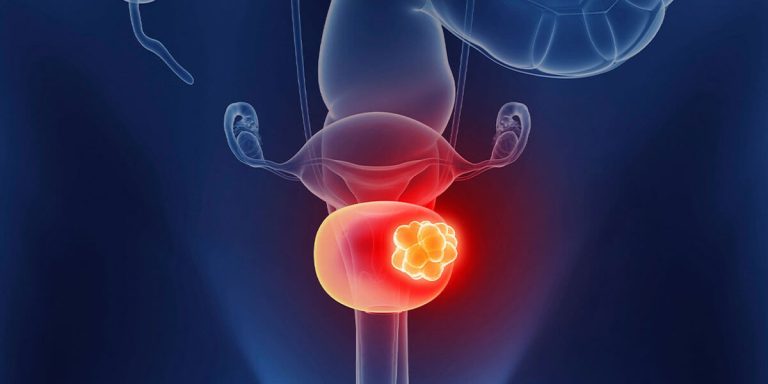
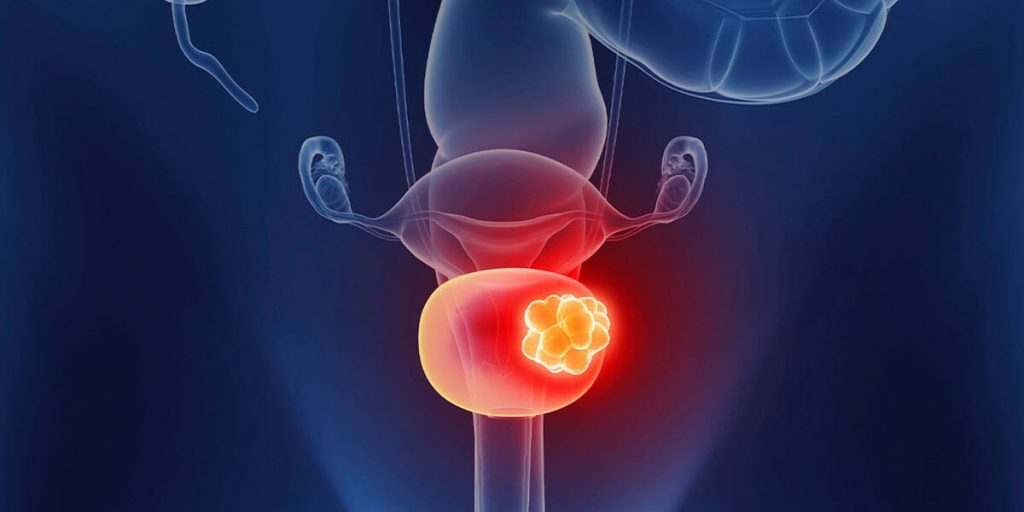
Blood in the urine isn’t something to brush off, yet many people delay a checkup hoping it will fade on its own. Bladder cancer can start quietly, hiding behind symptoms that resemble common infections or routine aging. Knowing the early warning signs and risk factors can turn uncertainty into a clear plan for action. This guide walks you through what to watch for and when to call a clinician, in straightforward, calm terms.
Outline: – Why bladder symptoms matter and a quick tour of how the bladder works – Hematuria and urinary changes as early signals – Non-urinary symptoms and red flags not to ignore – Risk factors, look-alikes, and what else could explain symptoms – When to seek medical care, what tests may be used, and how to prepare
Why Bladder Symptoms Matter: A Quick Tour of the Organ and What Signals Mean
The bladder is a muscular reservoir that collects urine from the kidneys and releases it through the urethra. Its inner lining, called the urothelium, is constantly exposed to chemicals filtered from the bloodstream. Because of this close contact, troublesome cells can sometimes arise in the lining. Early-stage disease is often confined to the inner layer, while more advanced disease can grow into the bladder wall and beyond. Recognizing symptoms promptly can influence the path forward, helping clinicians find issues when they are more manageable.
Symptoms matter because they are the body’s early alert system. While many bladder complaints turn out to be benign, overlooking repeating or unusual patterns can delay answers. Painless blood in the urine, for example, may appear suddenly, disappear, and return weeks later. Such a stop-start pattern can feel reassuring when it fades, yet it still warrants evaluation. Even subtle urinary changes, like going more often or a new nighttime pattern, can be meaningful when they persist. The aim is not to cause worry but to encourage thoughtful attention and timely conversations with a healthcare professional.
Here’s why taking note of bladder changes is worthwhile: – The bladder’s lining can bleed from irritation, infections, stones, or tumors; sorting these out requires testing. – Some concerning conditions cause no pain at first, so absence of discomfort is not a reliable green light. – Intermittent symptoms still count; a single episode of visible blood is a reason to schedule an appointment. – Early evaluation often leads to simpler treatments and clearer choices.
A helpful habit is to jot down what you notice: color changes in urine, frequency, urgency, burning, or pelvic pressure. Include dates and any related triggers, such as strenuous exercise, new medications, or dehydration. This small record can guide the discussion with a clinician and make the most of the visit. Most importantly, do not self-diagnose; overlapping conditions are common, and appropriate testing is the safest path to clarity. Hematuria and Urinary Changes: The Most Common Early Signals
Blood in the urine, known as hematuria, is the hallmark symptom linked to bladder tumors. It can be visible (turning urine pink, red, or cola-colored) or microscopic (detected only on a urine test). Visible blood may appear without pain and may stop and start over time. Clots can occasionally form and look like small strings or jelly-like pieces. Because exercise, infections, stones, and certain medications can also lead to blood in the urine, it is essential to let a professional sort out the cause rather than assuming it is minor.
Other urinary changes can accompany or precede hematuria. These include a newfound urge to urinate, going more frequently, difficulty starting the stream, burning or stinging, and a sensation of not emptying fully. Nighttime urination that is new for you may also be notable. None of these are proof of cancer, but a cluster of persistent urinary changes—especially when paired with any episode of blood—raises the need for timely evaluation. Comparisons help: a short, sharp burning sensation with fever and foul-smelling urine often points toward infection; a waxing and waning colicky pain that radiates to the groin can suggest a stone. Bladder tumors, by contrast, may cause painless bleeding or a steady escalation of irritative symptoms without the classic peaks of stone pain.
When urine looks different, note: – Color: pink, orange-tinged, red, brown, or cola-like – Presence of clots: small strings or gelatinous pieces – Timing: at the start, throughout, or at the end of the stream – Frequency patterns: sudden increases by day or night
Questions to ask yourself before an appointment: – Did I recently start a new medication, vitamin, or strenuous exercise plan? – Do symptoms improve with hydration or worsen after certain activities? – Is there fever, flank pain, or foul odor suggesting infection? – How many episodes of visible blood have occurred and over what time span?
Even a single episode of visible blood is a cue to schedule a visit. Persistent microscopic blood found during a routine check is also worth investigating. Early conversations do not commit you to invasive procedures; they open the door to a stepwise evaluation tailored to what you are experiencing.
Beyond the Bathroom: Non-Urinary Symptoms and Red Flags
While bladder-related symptoms center on urine changes, the body sometimes sends less obvious signals. Pelvic discomfort or a sense of pressure can develop when the bladder lining is irritated or when growths occupy space. Low back or flank pain may occur if urine flow is affected, particularly when swelling or blockage develops near where the kidneys drain. Unintended weight loss, loss of appetite, or persistent fatigue can reflect the strain of ongoing illness and deserve attention when they persist without a clear explanation. These signals are nonspecific, yet their value lies in the pattern: when combined with urinary changes or blood in the urine, they strengthen the case for evaluation.
Red flags that merit prompt medical contact include: – Visible blood in the urine with clots or difficulty passing urine – Increasing pelvic pain or a new constant ache above the pubic bone – Back or side pain with fever, chills, or nausea – New swelling in the legs or feet, which can signal impaired drainage – Repeated “urinary infections” that clear briefly and then recur – Unexplained fatigue, weight loss, or anemia noted on routine labs
It helps to compare possible causes. Infections often bring burning, urgency, fever, and rapid improvement after a short course of appropriate treatment. Kidney stones commonly cause severe, wave-like pain and sometimes blood, but the pain typically surges and falls as the stone moves. Bladder tumors can be quieter, featuring painless bleeding or irritation that lingers rather than spikes. No single symptom tells the whole story; the combination, duration, and response to initial care provide the clues. Because some serious conditions begin subtly, erring on the side of an early conversation with a clinician is a practical, low-risk decision.
If any symptom disrupts your routine or triggers worry—particularly visible blood—set up an appointment rather than waiting for a next flare. Most evaluations start with simple tests, and many people leave with reassuring answers. If something requires attention, finding it sooner keeps more options on the table.
Risk Factors, Look-Alikes, and What Else Could Explain Symptoms
Understanding risk factors can sharpen your radar without creating alarm. Tobacco exposure, current or past, is a major contributor to bladder lining irritation. Age plays a role; risk increases as decades pass, and many diagnoses occur after midlife. Occupational exposure to certain dyes, solvents, or combustion byproducts has been linked to higher risk, particularly with long-term contact. Chronic bladder irritation—from longstanding catheters, repeated infections, or stones—can also nudge the lining toward abnormal changes. Prior pelvic radiation or some chemotherapy agents have been associated with later bladder issues. Family history is less common as a direct driver but can combine with other factors to shift risk.
Key factors to consider: – Tobacco exposure over years, including past use – Long-term contact with specific industrial chemicals or fumes – Repeated bladder irritation from infections, stones, or catheters – Prior pelvic radiation or exposure to certain anticancer drugs – Advancing age and male sex, though all adults can be affected
Many bladder symptoms have look-alikes. Urinary infections can mirror urgency, burning, and frequency, often with fever or foul-smelling urine. Kidney or ureteral stones can cause blood in the urine and sharp flank pain. In many men, prostate enlargement leads to weak stream, nighttime trips, and incomplete emptying. Gynecologic sources, such as vaginal bleeding mistaken for urinary bleeding, can complicate the picture. Interstitial cystitis and overactive bladder create urgency and frequency without infection. Dehydration, strenuous exercise, and certain foods or supplements can temporarily shift urine color as well.
Common mimics to keep in mind: – Urinary infection: burning, urgency, fever, quick response to treatment – Stones: wave-like flank pain, occasional nausea, microscopic or visible blood – Prostate-related symptoms: hesitancy, weak stream, nocturia – Gynecologic bleeding: spotting or cycles overlapping with urination – Bladder pain syndromes: urgency and pressure without infection
Sorting these possibilities relies on testing rather than guesswork. A straightforward plan—urinalysis, culture if infection is suspected, and imaging when indicated—often separates short-term, self-limited issues from conditions that require targeted care. Risk reduction is always worthwhile: staying hydrated, avoiding tobacco, using protective gear when working with chemicals, and seeking care early for recurrent infections can all support bladder health.
When to Seek Medical Care, What to Expect, and Practical Next Steps
If you see blood in your urine—even once—schedule a medical appointment. Seek urgent or emergency care if you cannot pass urine, pass large clots, or have severe pain with fever. For symptoms like persistent urgency, frequency, mild pelvic pressure, or microscopic blood found on a routine test, plan to see a clinician within a reasonable timeframe rather than waiting months. Early evaluation does not automatically mean invasive procedures; instead, expect a stepwise approach that matches your symptoms and risk profile.
Common first steps may include: – Urinalysis to check for blood, protein, and signs of infection – Urine culture if infection is suspected – Blood tests to look at kidney function and anemia – Imaging, such as ultrasound or a specialized CT scan, to view the kidneys, ureters, and bladder – Cystoscopy, a direct look at the bladder lining with a thin scope, when warranted by symptoms or test results
Preparing for your visit can make it more productive: – Keep a symptom diary with dates, urine color changes, frequency, pain scores, and potential triggers – List medications, vitamins, and supplements, including start dates – Note any tobacco exposure, past or present, and workplace chemical contact – Bring prior test results or imaging reports if you have them – Write down questions about next steps, timelines, and follow-up
Understanding possible outcomes reduces anxiety. Many people discover a benign explanation—such as a temporary infection or a small stone—that resolves with focused care. If the evaluation identifies a bladder growth, your clinician will discuss options based on location, size, and depth, often starting with removal or sampling through the urethra. Follow-up schedules are common after any concerning finding, because the bladder lining can develop changes over time. The practical takeaway is simple: noticing and acting on early signs places you in a stronger position, regardless of the cause. Conclusion: Stay observant, document what you experience, and reach out promptly when something is new, persistent, or worrisome. Thoughtful attention today supports informed choices tomorrow.
Discover the most effective stretches for sciatica relief with this clear and practical guide. Learn how to choose the right types, get tips from experts, and explore top providers for physical therapy solutions—designed just for people in the United States seeking comfort and mobility.
Understanding Sciatica
Sciatica happens when the sciatic nerve, which runs from your lower back down each leg, becomes irritated or compressed. This often leads to pain, tingling, or numbness radiating from your lower back to one or both legs. The causes can include herniated discs, bone spurs, spinal stenosis, or even muscle tension affecting nerve pathways.
Symptoms may range from mild discomfort to sharp, burning pain that makes walking, standing, or even sitting difficult. Because the sciatic nerve covers a long route in your body, pain can be unpredictable. For many Americans, sciatica is a recurring source of discomfort, affecting work, exercise routines, and everyday life. Luckily, a targeted stretching routine can ease nerve tension and promote recovery.
Before starting any new stretching program, it’s wise to consult with a healthcare provider, especially if your sciatica is due to injury or underlying disease. For most cases, gentle, consistent stretches bring noticeable relief and improve mobility over time.
How to Choose Stretching Techniques
Selecting the right stretches for sciatica depends on the underlying cause, your current fitness level, and any existing medical conditions. If your pain is severe, stretches should be gentle and avoid any movements that worsen symptoms.
Begin with simple poses focused on the lower back, hips, and hamstrings. These areas directly impact the sciatic nerve. Look for stretches that target tight gluteal muscles, piriformis, and hamstrings, as these are often related to nerve compression.
Consulting a licensed physical therapist or rehab specialist is crucial if you’re unsure which stretches are right for you. They can develop a customized plan and ensure you avoid injury. Online platforms and dedicated apps like Hinge Health, Physera, and Kaia Health can also guide you with video instructions and daily routines. However, these should not replace medical advice for those with severe, persistent pain or loss of function.
When starting a stretching program, document your pain levels and mobility every week. Tracking progress helps you and your providers identify what works best.
Types of Stretches for Sciatica Relief
Different stretches are designed to address tight muscles and structures contributing to sciatic pain. Not all stretches suit every person, so gradual progression and listening to your body are vital.
Popular stretch types for sciatica include:
– Piriformis Stretch: The piriformis muscle, when tight, can press on the sciatic nerve. Stretching this muscle can quickly relieve nerve pressure.
– Seated Spinal Twist: A gentle twist that releases the lower back and hips, reducing nerve irritation.
– Knee-to-Chest: Loosens lower back muscles and takes pressure off spinal nerves.
– Cat-Cow Stretch: Mobilizes the spine to ease tension in the lumbar area.
– Standing or Lying Hamstring Stretch: Relieves tightness along the nerve pathway through the leg.
It’s important to hold each stretch for at least 20–30 seconds, breathing deeply and stopping if anything feels sharp or wrong. Mix gentle dynamic stretches with static holds for best results.
Top Companies for Sciatica Care and Guidance
If stretching at home isn’t enough, many Americans turn to reputable companies specializing in physical therapy, telehealth, or guided rehab programs. Here are some of the best-rated companies you can consider for expert-led sciatica management:
Professional medical providers, both online and at physical clinics, can offer personalized plans, progress checks, and video support. Many health insurances in the US cover physical therapy for sciatica if prescribed by a doctor.
Digital health apps and services also provide accessible, detailed guidance, often for a monthly fee, and help you stay on track with reminders, coaching, and progress tracking. It’s important to check the company’s credentials, user reviews, and evidence-based approach before committing.
Company
Rating (out of 5)
Service Type
Starting Price (per month)
Hinge Health
4.8
App-based PT program
$89
Kaia Health
4.7
App-based PT and coaching
$69
Physical Therapy Now
4.5
In-person clinics
$80 per session
Excel Physical Therapy
4.9
In-person clinics
$100 per session
Typical Costs for Sciatica Relief
The cost for sciatica relief stretches and therapy can range widely. At-home stretching routines are entirely free; all you need are comfortable clothes and a yoga mat. Guided physical therapy sessions in a clinic generally cost between $80 and $120 per session in the US, depending on location and provider specialization.
If you choose digital health apps, monthly subscriptions typically run $60–$100 per month, and sometimes more for one-on-one coaching or telehealth assessments. Many health insurance plans partially or fully cover physical therapy with a physician referral.
Investing in quality guidance and consistent practice can save costs long-term by preventing chronic pain and reducing reliance on medication. Always verify your insurance benefits and ask about package pricing or virtual PT options for flexibility.
Some health savings accounts (HSA) or flexible spending accounts (FSA) let you pay for physical therapy apps and services tax-free. Check if your provider qualifies.
The Pros and Cons of Sciatica Stretches
Stretches for sciatica relief come with significant benefits—but also require careful attention to form, consistency, and medical guidance.
Pros:
– Safe, non-invasive approach for most people
– Helps reduce pain and improve function
– Can be adapted to individual fitness levels
– Almost no cost for self-guided routines
– Encourages long-term healthy movement habits
Cons:
– Not a cure for all causes (e.g., severe disk injuries)
– Incorrect stretches can worsen pain
– Requires daily commitment for best results
– Not instantly effective—relief builds over weeks
– May need supervision for severe cases
Pros
Cons
Safe and non-invasive
Not a cure-all
Affordable/free options
May need supervision
Improves flexibility
Results take time
Minimal equipment needed
Incorrect form can worsen pain
Promotes self-care
Some severe cases need surgery
Top Consumer Tips for Lasting Relief
Consistency is key with relief stretches—make it a part of your daily routine, even on ‘good’ days. Focus on slow, controlled movements and avoid bouncing or jerking while stretching.
If stretching causes sharp or worsening pain, stop immediately and seek medical advice. For persistent or severe sciatica, combine stretches with targeted strengthening exercises and lifestyle changes, such as weight management and improved posture.
Remember, sciatica can result from various conditions. If you experience new symptoms—such as loss of bladder or bowel control, severe weakness, or numbness—seek prompt medical attention, as these can signal more serious nerve compression requiring urgent care.
Try setting an alarm on your phone for daily stretch reminders—building a habit is easier with regular, gentle cues!
Relief in Practice: A Roadmap
Follow these steps to build your sciatica stretching regimen:
1. Confirm your diagnosis and exclude red flags with a healthcare provider.
2. Start with gentle, basic stretches (piriformis, knee-to-chest, hamstring) for 5–10 minutes daily.
3. Track symptoms and progress in a journal or app.
4. Progress to more advanced routines if safe, or consult a physical therapist if pain persists.
5. Incorporate core and glute strengthening as recommended.
6. Maintain consistency, assess weekly, adjust routine based on comfort.
7. Use professional services or telehealth apps for guidance and accountability if needed.
Step
Description
1
Consult provider
2
Begin gentle stretches
3
Monitor progress
4
Escalate if needed
5
Add strengthening
6
Maintain habit
7
Use professional help
FAQ
What are the best stretches for sciatica relief?
Top stretches include the piriformis stretch, knee-to-chest, hamstring stretch, and gentle spinal twists. Each helps relieve tension along the sciatic nerve pathway.
How often should I do sciatica relief stretches?
Aim for 5–10 minutes of targeted stretching once or twice daily. Consistency is more important than duration, and always progress gently without rushing.
When should I see a doctor for sciatica?
See a doctor if you experience severe or worsening pain, numbness, weakness, or signs like bladder or bowel incontinence. These may indicate a serious condition.
Do I need special equipment for sciatica stretches?
No special equipment is needed—just comfortable clothing and a yoga mat. Some people find foam rollers or resistance bands helpful for advanced routines.
Are stretching apps or online programs effective for sciatica?
Yes, many reputable apps and programs provide helpful guidance, progress tracking, and professional advice, especially when in-person therapy isn’t accessible. Just check for clinical credentials.
Fatty liver disease is on the rise in the United States, yet many people are unaware of its signs. Early detection can prevent serious complications. Learn the most common symptoms, how to recognize them, and your best options to manage and improve liver health.
Understanding Fatty Liver
Fatty liver disease, or hepatic steatosis, occurs when excess fat builds up in liver cells. This condition is increasingly common in the United States, affecting nearly 1 in 4 adults. Often related to obesity, diabetes, or excessive alcohol use, it can also develop in those with no apparent risk factors.
Fatty liver is typically divided into two types: nonalcoholic fatty liver disease (NAFLD) and alcoholic fatty liver disease (AFLD). While mild cases may not cause noticeable problems, untreated fatty liver can progress to inflammation, scarring (fibrosis), or even cirrhosis. Recognizing early signs is crucial for effective management.
Many people with fatty liver are symptom-free at first. That’s why understanding how to identify this silent condition is so important.
Symptoms to Watch For
Fatty liver often lacks obvious early symptoms. Some signs may be subtle and easy to overlook. Common warning signs include:
– Persistent fatigue and weakness
– Mild to moderate abdominal discomfort, especially in the upper right area
– Unexplained weight loss or loss of appetite
– Mild jaundice (yellowing of the skin/eyes), though rare in early stages
– Swelling in the abdomen or legs in advanced cases
– Confusion or difficulty concentrating if liver function declines
These symptoms can be vague. Routine medical checkups and blood tests often provide the first clues.
Symptom
Frequency
Stage Usually Seen
Fatigue
Very common
Early-Mid
Abdominal discomfort
Common
Early-Mid
Weight loss
Occasional
Mid-Late
Jaundice
Rare
Late
Abdominal swelling
Less common
Late
If you notice persistent fatigue or vague aches in your right upper abdomen, schedule a medical checkup—even if you feel otherwise healthy.
Types of Fatty Liver
There are two key types of fatty liver disease. Nonalcoholic fatty liver disease (NAFLD) results from factors like obesity, insulin resistance, or high cholesterol. It’s the most common type in the U.S., unrelated to alcohol use and can affect adults and even children.
Alcoholic fatty liver disease (AFLD), as the name suggests, stems from significant alcohol use over time. While abstaining from alcohol can halt or reverse AFLD in early stages, continued drinking increases the risk of severe liver damage.
Both types may progress to nonalcoholic steatohepatitis (NASH) or alcoholic steatohepatitis (ASH), where liver inflammation and scarring occur, putting you at risk for cirrhosis and liver cancer.
Type
Main Cause
Prevalence
NAFLD
Metabolic factors (obesity, diabetes)
~25% of US adults
AFLD
Excessive alcohol use
~5% of US adults
How Is It Detected
Since early fatty liver rarely causes dramatic symptoms, diagnosis often starts with abnormal liver enzymes found during a routine blood test. Your doctor may then recommend:
– Liver ultrasound (imaging test)
– FibroScan (measures liver stiffness and fat)
– Blood tests to rule out hepatitis or other liver diseases
– MRI or CT scan in select cases
– Liver biopsy (rare, usually if advanced disease is suspected)
Early detection is key, as it allows you to slow or reverse progression before more serious complications develop.
Ask your doctor for liver function tests if you have risk factors like obesity, type 2 diabetes, or a history of heavy alcohol use.
Prevention and Lifestyle
Healthy lifestyle choices are the foundation of fatty liver prevention. Focus on achieving and maintaining a healthy weight through a balanced diet and regular exercise. Even modest weight loss (5-10% of body weight) can significantly reduce fat in the liver and lower your risk.
Limit alcohol consumption, as even small amounts may worsen liver stress if you already have fatty liver. Control blood sugar and cholesterol through diet, prescribed medication, and physical activity.
There is growing evidence that the Mediterranean diet (rich in fruits, veggies, whole grains, and healthy fats like olive oil) is particularly beneficial for liver health.
Prevention Tip
Why It Helps
Lose excess weight
Reduces liver fat and inflammation
Exercise regularly
Burns fat, improves insulin sensitivity
Eat a balanced diet
Prevents fat accumulation and supports liver function
Limit alcohol
Alcohol worsens liver stress
Check cholesterol & blood sugar
High levels increase risk
Best Companies and Screening Services
Major healthcare networks in the U.S. offer liver health screening as part of their preventive care services. Notable providers include:
– Mayo Clinic (rating: 4.9/5), known for advanced liver imaging and comprehensive care plans
– Johns Hopkins Medicine (4.9/5), leader in integrated hepatitis and fatty liver screening
Prices vary—initial consultations typically range from $150 to $350 without insurance. Imaging costs (like liver ultrasound) may add $200-$500 more. Most insurance plans cover screening, especially with risk factors.
Provider
Rating
Service Range
Avg. Price (with insurance)
Avg. Price (cash)
Location
Mayo Clinic
4.9
Consult + Imaging
$80-$150
$300-$600
Nationwide
Cleveland Clinic
4.8
Consult + Imaging
$100-$200
$350-$700
Nationwide
Johns Hopkins
4.9
Full Screening
$120-$170
$350-$650
East Coast
Check with your insurance to see if routine liver screening is covered, particularly if you’re already monitoring metabolic health.
Weighing Screening and Treatment
Pros of early screening and intervention for fatty liver:
– Noninvasive and widely available tests
– Identifies issues before complications arise
– Early lifestyle changes have high success rates
Potential cons may include:
– Out-of-pocket costs if uninsured
– Need for ongoing monitoring
– Lifestyle change can be challenging for some
However, the benefits almost always outweigh the drawbacks, as untreated fatty liver can lead to irreversible liver damage.
– Schedule a primary care visit or talk to a liver specialist
– Compare prices of local imaging centers or major providers
– Consider joining support groups for lifestyle motivation
Empowering yourself with knowledge is the first step toward lasting liver health.
Apps like MyFitnessPal or Noom can help track diet and weight loss progress, making sustainable lifestyle changes easier and more engaging.
FAQ
What are the most common early signs of fatty liver disease?
Fatigue, mild right upper abdominal discomfort, and unexplained weight changes are the most common early signs. Many people may have no symptoms and only learn about the condition during routine tests.
Can fatty liver disease be reversed?
Yes, in most cases, especially if detected early. Weight loss, healthier diet, regular exercise, and avoiding alcohol can often reverse fatty liver or halt its progression.
Who should be screened for fatty liver disease?
Anyone with risk factors such as obesity, type 2 diabetes, high cholesterol, or a history of heavy alcohol use should consider screening—especially adults over age 40.
How much does testing for fatty liver disease cost?
Prices vary depending on provider and location. Basic blood tests may cost $50–$150 (often covered by insurance), while imaging may cost $200–$700 without insurance.
Are there any medications for fatty liver disease?
No medications are currently FDA-approved specifically for fatty liver. Treatment focuses on lifestyle changes, but some doctors may prescribe medicine to address related issues like diabetes or high cholesterol.
Jaw bone loss can derail implant plans, loosen teeth, and chip away at everyday confidence. This guide unpacks why bone thins, what modern dentistry can do, and how smart nutrition supports recovery. We break down costs with plain-language ranges to help you budget with clarity. If you want practical steps and science-backed tips, you’re in the right place.
Why Bone Loss Matters: Introduction and Outline
Bone might seem like a silent partner in your smile, but it is the foundation that keeps teeth and dental implants stable. When the jawbone thins—whether after a tooth is removed, because of gum disease, or due to systemic factors—teeth can loosen, bite forces shift, and implant plans may need a rethink. The good news is that modern dentistry offers predictable solutions, and daily habits, including nutrition, can support the biology that rebuilds and preserves bone. This introduction sets the stage and maps the path you will follow in the sections ahead.
Here is the outline you will see unpacked in detail:
– Not Enough Bone for Dental Implant: causes, diagnostics, and surgical strategies to create or find stable bone. – Dental Implants with Bone Loss Cost: what drives fees, typical ranges, and smart budgeting tips without cutting corners. – How to Fix Teeth with Bone Loss: non-surgical and surgical gum therapies, stabilization options, and timelines for healing. – Vitamins That Support Jaw Bone Health: how nutrients interact with bone cells, realistic targets, and food-first strategies. – Putting It All Together: prevention, maintenance, and when to move from plan to action.
Why this matters now: after a tooth is removed, the ridge naturally shrinks. Research shows substantial changes in the first year, often 25–50% reduction in ridge width if a socket is left empty, with the most rapid loss occurring in the first few months. Periodontal disease compounds the problem by eroding both the gum attachment and the bone around roots. And while implants can restore function and appearance, they require sufficient bone volume and density to succeed. Understanding the biology allows you to choose treatments that work with, not against, your body.
Throughout this article you will find clear explanations, realistic timeframes, and examples that compare options. When numbers are given (for costs or timelines), treat them as planning tools rather than promises; individual cases vary by health status, anatomy, and provider technique. If you have a complex medical history—such as treated osteoporosis, diabetes, or medications that affect bone turnover—coordinate closely with your dental and medical teams. With that, let’s step into the most common roadblock: not enough bone for an implant.
Not Enough Bone for a Dental Implant: Causes, Diagnostics, and Solutions
“Insufficient bone” sounds like a hard stop, but it is better understood as a design challenge. Bone volume can be limited for several reasons: long-standing tooth loss and natural resorption, periodontal disease, infection that thins the socket walls, trauma, congenitally small ridges, sinus pneumatization in the upper back jaw, and systemic factors (for example, low vitamin D status, smoking, or poorly controlled diabetes). Each factor influences both the amount of bone present and the quality of that bone, which is why careful evaluation comes first.
Assessment starts with clinical measurements and three-dimensional imaging. Cone beam CT allows your team to quantify ridge height, width, and proximity to structures like the maxillary sinus or the inferior alveolar nerve. Density is often described qualitatively (from softer to denser patterns), which helps guide drilling protocols and implant selection. As a rule of thumb, clinicians look for enough width to fully surround an implant with at least 1–1.5 mm of bone on all sides and sufficient height to keep a safe margin from anatomical landmarks. Soft tissue thickness is also important because it influences long-term stability and esthetics.
When bone is limited, a spectrum of strategies exists, chosen to match the deficiency pattern:
– Socket preservation at extraction: placing graft material and a barrier to limit early collapse. – Ridge augmentation: rebuilding width or height with particulate grafts, blocks, or biologic membranes, followed by several months of healing. – Sinus floor elevation: adding bone under the sinus membrane to create vertical height in the upper molar/premolar area; can be done as a small “crestal” approach or a lateral window for larger deficits. – Short or narrow implants: appropriate in select cases, often combined with improved surface designs and careful load distribution. – Tilted or trans-sinus approaches for full-arch cases: redistributing forces to available bone without extensive grafting, when suitable. – Immediate implant placement: when anatomy allows, placing an implant at extraction can help maintain contours, but it still requires primary stability and infection control.
Timelines vary. Minor grafting may add 3–4 months before implant placement; larger sinus lifts or vertical augmentations can require 6–9 months of maturation. Success rates in grafted sites are high when indications are respected, with many studies reporting survival above 90% at five years for well-planned cases. Two clinical pearls matter: do not rush biology, and control risk factors (tobacco use, active periodontal inflammation, uncontrolled diabetes). These changes can significantly tilt outcomes in your favor.
If you have heard “not enough bone,” ask for a clear map: where bone is missing, why it is missing, which technique addresses that pattern, how long healing will take, and how the bite will be protected during integration. With imaging and a thoughtful sequence, “insufficient” becomes “sufficient for the goal at hand.”
Dental Implants with Bone Loss: Cost Factors, Ranges, and Smarter Budgeting
Implant care is an investment in function and health, and costs vary more than most people expect—largely because bone loss often turns a one-step plan into a staged project. Three categories shape the fee: diagnostics and planning, the surgical build (including grafting), and the restorative phase (the part you see in your smile). Location, clinician experience, materials, and sedation choices also influence the total.
Typical cost drivers include:
– Imaging and planning: examination, intraoral scans, and 3D imaging. – Grafting: socket preservation, ridge augmentation, membranes, and sinus elevation when indicated. – Implant surgery: number of implants, complexity, and adjunct procedures (tissue grafting, provisionalization). – Restorations: abutments and crowns for single teeth, or full-arch prosthetics with reinforced frameworks for multi-implant cases. – Anesthesia and visits: local anesthesia is usually included; oral or IV sedation adds fees; follow-ups are part of safe care. – Maintenance: night guards for heavy clenching, periodic cleanings, and X-rays to protect the investment.
To provide ballpark figures (which vary by region and case complexity):
– Single implant with minimal grafting: many offices quote a combined surgical-and-crown range in the low-to-mid thousands per tooth. – Single implant with significant ridge augmentation or sinus lift: the range increases, reflecting added materials and healing time. – Full-arch, fixed solutions: per-arch fees commonly reach into the tens of thousands, especially when grafting, temporary prosthetics, and premium materials are included.
Where can you save without compromising outcomes?
– Seek a comprehensive, written treatment sequence so you understand staged healing and avoid surprise add-ons. – Compare like-for-like plans; a lower fee that omits grafting or uses a removable interim when you expected a fixed one is not an equal comparison. – Ask about in-house membership plans, phased scheduling, or third-party financing to spread costs responsibly. – Consider care at residency programs for reduced fees under specialist supervision, understanding that visits may take longer.
Red flags to avoid: offers that promise same-day permanent teeth for every case regardless of bone, unusually low prices that skip 3D imaging, or pressure to proceed without a discussion of alternatives and risks. Quality care respects biology and gives you time to decide. Remember that the most economical plan over five to ten years is usually the one that is stable, maintainable, and tailored to your anatomy—not simply the lowest upfront number. If you have medical conditions or take medications that affect bone turnover, some pre-surgical labs and coordination with your physician may add to planning but can prevent complications and protect your long-term outcome.
How to Fix Teeth with Bone Loss: Periodontal Care, Stabilization, and Rebuilding
Repairing the foundation around natural teeth starts with controlling inflammation. In early to moderate periodontal disease, thorough cleaning above and below the gumline (scaling and root planing) removes plaque and calculus that fuel infection. Antimicrobial rinses or locally delivered medications may be used as short-term support, though the backbone of success is meticulous daily home care. Many people benefit from interdental brushes or water flossers alongside a soft-bristled manual or electric brush and fluoride toothpaste.
When pockets remain deep or bone defects are angular, surgical therapy is considered. Goals include access for cleaning, reshaping bone contours to reduce plaque traps, and, in select defects, regeneration. With guided tissue regeneration techniques, a barrier membrane and carefully placed grafts aim to rebuild lost architecture so the attachment apparatus can re-establish. Not every defect is a candidate; narrow, three-walled defects near the root offer more potential than wide, shallow craters. Healing typically takes several months, and frequent maintenance visits—often every three to four months—are critical to protect gains.
Teeth that have already loosened can sometimes be stabilized:
– Bite adjustment to redistribute forces away from overloaded teeth. – Splinting mobile teeth to sturdier neighbors, either temporarily during healing or as a longer-term solution. – Managing clenching or grinding with a night guard to reduce microtrauma. – Replacing overhanging or open-margin restorations that harbor plaque.
When a tooth is deemed hopeless due to advanced mobility, vertical fractures, or very deep circumferential bone loss, removal may be the healthiest choice. Planning starts before extraction to preserve tissue, especially if an implant is considered: socket preservation, careful flap design, and provisional restorations can maintain contours. If implants are not appropriate due to anatomy, budget, or health, bridges or well-designed partial dentures can restore chewing function; each option comes with maintenance needs and trade-offs in load distribution and hygiene access.
Lifestyle and medical context shape outcomes. Tobacco use, uncontrolled diabetes, and low vitamin D status correlate with slower healing and greater risk of recurrence. Practical steps that help: limit smoking or seek cessation support, keep blood sugar within target ranges, and work with your healthcare team to optimize nutrition and medications. Expect a journey, not a sprint: initial cleaning may calm bleeding within weeks, surgical sites consolidate over months, and bone or attachment gains are monitored at re-evaluations. Success looks like shallower pockets, firmer teeth, and a home-care routine that feels doable every day.
Vitamins That Support Jaw Bone Health and May Help Prevent Bone Loss
While dentistry can rebuild structure, nutrients supply the raw materials and signals that help bone remodel well. Jawbone is living tissue, turning over constantly under the forces of chewing, much like a well-managed construction site that never closes. Food-first strategies paired with reasonable supplementation—tailored to your needs and local guidelines—can support stronger outcomes. Below is a practical tour of nutrients with roles in oral bone biology and everyday sources.
Calcium and phosphorus form the mineral scaffold of bone. Many adults need roughly 1,000–1,200 mg of calcium per day from diet and supplements combined, with needs varying by age and life stage. Food sources include dairy, fortified plant milks, firm tofu set with calcium salts, tinned fish with edible bones, leafy greens like kale and bok choy, almonds, and sesame. Phosphorus is abundant in legumes, seeds, whole grains, and fish; balance matters because both minerals integrate into hydroxyapatite crystals.
Vitamin D helps the gut absorb calcium and supports mineralization. Sun exposure contributes, but geography, season, skin tone, and sunscreen use change how much you produce. Typical dietary targets often range around 600–800 IU daily for adults, though some individuals require adjustments based on blood tests. Ask your clinician about checking levels if you have bone concerns, limited sun, or conditions affecting absorption.
Vitamin K—particularly K2—activates proteins (like osteocalcin) that help usher calcium into bone rather than leaving it in soft tissues. Food sources include leafy greens (K1) and fermented foods such as certain aged cheeses and natto. Vitamin C supports collagen synthesis, the organic framework into which minerals deposit; citrus, berries, peppers, broccoli, and potatoes are reliable contributors. Magnesium participates in hundreds of enzymatic reactions, including those tied to bone turnover; find it in legumes, nuts, seeds, and whole grains.
Other helpful allies: protein (aim for steady intake across meals to support healing tissue), omega-3 fats (from flax, chia, walnuts, and cold-water fish) associated with a more favorable inflammatory profile, and trace minerals like zinc, copper, and manganese from nuts, seeds, and whole grains. Vitamin A plays a role in remodeling, but excess can be counterproductive, so avoid megadoses unless directed by a clinician. As with any supplement, more is not always better; coordinate with your healthcare team if you take anticoagulants, osteoporosis medications, or long-term acid reducers, all of which interact with bone metabolism or certain vitamins.
Here is a simple, food-first day that supports jaw bone biology: – Breakfast: fortified yogurt or plant milk smoothie with kale, chia seeds, and berries. – Lunch: tofu and bok choy stir-fry over brown rice, sprinkled with sesame. – Snack: almonds and an orange. – Dinner: sardines with lemon on whole-grain toast, plus a side of roasted broccoli. – Hydration: water or unsweetened tea; limit sugary drinks that fuel gum inflammation.
Nutrition will not replace periodontal therapy or grafting when those are indicated, but it can improve healing capacity and long-term maintenance. Pair nutrient-dense meals with regular activity, plenty of sleep, and stress management to keep inflammation in check. Over time, these small, steady choices strengthen the very ground your smile stands on.
Gastric cancer is a common malignant tumor of the digestive tract worldwide. Its onset is insidious and progresses slowly, and early symptoms are easily confused with common stomach problems, leading many patients to be diagnosed at an advanced stage and miss the best treatment opportunity. Understanding the main symptoms of gastric cancer and mastering scientific prevention methods are the keys to reducing the risk of gastric cancer and improving the cure rate. Combining medical knowledge, this article will detail the typical symptoms and practical prevention measures of gastric cancer to help everyone establish correct health awareness.
I. Key Symptoms of Stomach Cancer
The symptoms of gastric cancer gradually become obvious with the progression of the disease. Early symptoms are not typical and are often mistaken for benign diseases such as gastritis and gastric ulcers. It is necessary to pay close attention to the following signals, especially when they exist for a long time or gradually worsen, and seek medical examination in time.
(I) Common Early Symptoms
1. Upper abdominal discomfort or dull pain: This is the most common early symptom of gastric cancer, mostly manifested as upper abdominal distension, dull pain, distending pain, or burning sensation. The pain is mild and irregular, unrelated to diet or aggravated after eating, and cannot be significantly relieved by rest. Many people regard it as a “stomach problem” and take stomach medicine by themselves to relieve it temporarily, but ignore the potential risks.
2. Loss of appetite and indigestion: Patients will suddenly experience loss of appetite, lose interest in their favorite foods, and have indigestion symptoms such as abdominal distension, belching, acid reflux, and nausea after eating. Some people will also experience slight weight loss, which is caused by the tumor affecting gastrointestinal function and leading to nutritional absorption disorders.
3. Abnormal stool: Occult blood in the stool may appear in the early stage (imperceptible to the naked eye, requiring laboratory tests to find), which is because the surface of the tumor bleeds a little and the blood is excreted with the stool. If the bleeding increases, melena may occur, which is tarry and shiny, and it is one of the important warning signs of gastric cancer.
(II) Typical Advanced Symptoms
As the tumor grows and invades deeper, the symptoms will gradually worsen and specific manifestations will appear. At this time, the condition has mostly progressed to the middle and advanced stages.
1. Severe abdominal pain: The pain turns into persistent severe colic or dull pain, and the pain range expands, which may radiate to the lumbodorsal region. It cannot be relieved by taking stomach medicine, seriously affecting sleep and diet.
2. Rapid weight loss: Due to the large amount of nutrients consumed by the tumor, and the patient’s severe loss of appetite and digestive absorption disorders, obvious weight loss will occur in a short period of time, and even cachexia (extreme weight loss, fatigue, anemia) may occur.
3. Hematemesis or aggravated melena: After the tumor invades blood vessels, a large amount of bleeding will occur, manifested as hematemesis (vomitus is coffee-colored or bright red), increased frequency and volume of melena, and life-threatening hemorrhagic shock in severe cases.
4. Other accompanying symptoms: Advanced gastric cancer may metastasize, and corresponding symptoms will appear when metastasizing to different parts. For example, metastasis to the liver may cause liver pain and jaundice; metastasis to the abdominal cavity may cause ascites and abdominal distension; metastasis to lymph nodes may cause swelling of cervical and supraclavicular lymph nodes.
II. Prevention Methods of Stomach Cancer
The occurrence of gastric cancer is the result of the combined action of genetic factors, environmental factors, living habits and other factors, among which the impact of acquired living habits is the most significant. By adjusting the lifestyle and conducting regular screening, the risk of gastric cancer can be effectively reduced, and “early prevention, early detection and early treatment” can be achieved.
(I) Adjust Diet Structure and Develop Good Eating Habits
Diet is closely related to the occurrence of gastric cancer. Long-term unreasonable diet is an important factor inducing gastric cancer. It is recommended to:
1. Reduce the intake of pickled, smoked and fried foods: Pickled foods (such as salted vegetables, bacon, kimchi) contain nitrite, and smoked and fried foods (such as barbecue, fried chicken, fried dough sticks) contain carcinogens such as polycyclic aromatic hydrocarbons. Long-term and excessive consumption will increase the risk of gastric cancer, so they should be eaten as little as possible or not at all.
2. Increase the intake of fresh fruits, vegetables and high-quality protein: Fresh vegetables and fruits are rich in vitamins, dietary fiber and antioxidants, which can inhibit the production of carcinogens; high-quality protein (such as fish, shrimp, lean meat, soy products, eggs) can enhance the body’s immunity and protect the gastric mucosa. It is recommended to take an appropriate amount every day.
3. Eat regularly and avoid overeating: Eat three meals regularly and quantitatively, with each meal being about 70% to 80% full. Avoid being hungry and full, which will reduce the stimulation to the gastric mucosa; chew slowly when eating, which helps digestion and reduces the burden on the stomach.
4. Quit smoking and limit alcohol: Smoking increases the risk of gastric cancer. Nicotine in tobacco damages the gastric mucosa and promotes tumor occurrence; excessive drinking stimulates the gastric mucosa, leading to congestion, edema and erosion of the gastric mucosa. Long-term drinking may induce gastric cancer. It is recommended to quit smoking and drink moderately (the daily alcohol intake of men should not exceed 25g, and that of women should not exceed 15g).
(II) Actively Treat Basic Gastric Diseases
Many benign gastric diseases, if not treated for a long time, will gradually develop into precancerous lesions and eventually induce gastric cancer. Common precancerous lesions include chronic atrophic gastritis, gastric polyps, Helicobacter pylori infection, gastric ulcer, etc., which need timely intervention and treatment:
1. Eradicate Helicobacter pylori: Helicobacter pylori is an important pathogenic factor of gastric cancer, and about 70% of gastric cancers are related to Helicobacter pylori infection. If Helicobacter pylori is positive in the test, standardized eradication treatment should be carried out under the guidance of doctors to reduce the risk of gastric cancer.
2. Treat chronic gastropathy: Patients with chronic atrophic gastritis, gastric ulcer, gastric polyps, etc. should re-examine regularly, take medicine as prescribed by doctors, and avoid disease progression. In particular, gastric polyps need to be surgically removed in time to prevent polyp malignant transformation.
(III) Develop Healthy Living Habits
1. Regular work and rest: Avoid staying up late for a long time, ensure 7-8 hours of sleep every day. Staying up late will disrupt the body’s biological clock, reduce immunity, and increase the risk of tumor occurrence.
2. Moderate exercise: Do 30 minutes of moderate-intensity exercise every day, such as brisk walking, jogging, swimming, tai chi, etc., which can enhance physical fitness, promote gastrointestinal peristalsis, improve digestive function, and reduce the risk of gastric cancer.
3. Regulate mood: Long-term mental tension, anxiety and depression will affect gastrointestinal function, lead to insufficient blood supply to the gastric mucosa and decreased repair ability, and increase the risk of gastropathy and gastric cancer. It is recommended to maintain a positive and optimistic attitude, and relieve pressure through listening to music, meditation, communicating with others and other ways.
(IV) Conduct Regular Gastric Cancer Screening
Gastric cancer screening is an effective means to detect gastric cancer early, especially for high-risk groups, who need regular screening:
1. Definition of high-risk groups: Over 40 years old; having a family history of gastric cancer; long-term suffering from gastric diseases such as chronic atrophic gastritis, gastric polyps, Helicobacter pylori infection; long-term eating pickled and smoked foods, smoking and drinking.
2. Screening methods: Common screening methods include gastroscopy, Helicobacter pylori detection, fecal occult blood test, etc. Among them, gastroscopy is the “gold standard” for the diagnosis of gastric cancer, which can directly observe gastric mucosal lesions. When suspicious lesions are found, pathological biopsy can be performed to clarify the nature of the lesions. It is recommended that high-risk groups undergo gastroscopy every 1-2 years, and the general population undergo screening every 3-5 years.
III. Summary
The occurrence of gastric cancer is not an overnight process, but a long-term accumulation process. Early symptoms are hidden and easy to be ignored, while the treatment of middle and advanced stages is difficult and the prognosis is poor. Therefore, “prevention” is far more important than “treatment”. By developing good eating and living habits, actively treating basic gastric diseases, and conducting regular screening, the risk of gastric cancer can be effectively reduced. At the same time, once abnormal symptoms such as upper abdominal discomfort, loss of appetite, melena, and weight loss appear, you should seek medical treatment in time, do not delay, and achieve early discovery, early diagnosis and early treatment to improve the cure rate and survival rate of gastric cancer.