The impact of dietary choices on blood sugar levels is a significant topic, especially for those managing diabetes or looking to improve their overall health. Understanding the foods that help maintain steady blood sugar levels is essential for promoting wellbeing. The following explores various dietary choices that effectively stabilize blood sugar, helping to build a healthier lifestyle.
Whole grains are a fantastic foundation for balanced blood sugar levels. Unlike refined grains, which can cause spikes in blood sugar due to their quick digestion, whole grains maintain their fiber content, which slows the absorption of sugars into the bloodstream. Research shows that diets high in whole grains are connected to lower insulin resistance and improved diabetes management. For instance, whole oats, quinoa, and barley have a low glycemic index, allowing for gradual increases in blood sugar levels rather than sudden spikes. Including whole grains in breakfast can kickstart the day on a stable note, making oatmeal topped with nuts and berries a great choice for the morning meal. It’s essential to aim for at least half of all grain choices to be whole grains to ensure optimal health benefits.
Incorporating legumes into one’s diet is another effective way to stabilize blood sugar. Beans, lentils, and chickpeas are rich in both protein and fiber, making them incredibly satiating while keeping blood sugar levels in check. A notable aspect is their low glycemic index, which means they have a minimal effect on blood sugar. Studies suggest that including legumes in meals can help with weight management, another key factor in blood sugar stability. Whether it’s a hearty bean salad or a bowl of lentil soup, these options not only provide essential nutrients but also promote sustained energy without the crashes that accompany high-glycemic alternatives. Regularly integrating legumes can be a game changer for maintaining energy levels throughout the day.
Healthy fats, particularly those found in avocados, nuts, and seeds, can also play a crucial role in blood sugar stabilization. While fats were once considered detrimental for health, research shows that monounsaturated and polyunsaturated fats can improve insulin sensitivity. Foods like avocados are packed with fiber and healthy fats, which help slow down digestion and the absorption of carbohydrates. Moreover, nuts like almonds and walnuts contribute to a balanced diet rich in omega-3 fatty acids. A handful of mixed nuts can serve as a perfect snack while helping to keep blood sugar levels stable. Incorporating these healthy fats into meals or snacks not only enhances flavor but also encourages feelings of fullness, potentially reducing the urge to indulge in high-sugar snacks.
Non-starchy vegetables are another cornerstone of a blood sugar-friendly diet. Vegetables such as leafy greens, broccoli, cauliflower, and bell peppers are low in carbohydrates, making them ideal for maintaining balanced blood sugar levels. The high fiber content in these vegetables contributes to a slower digestive process, preventing rapid spikes in glucose. Getting a variety of colors on the plate also ensures a wide array of nutrients and antioxidants, which support overall health. Preparing vegetable-rich salads or stir-fried dishes can make consuming these foods enjoyable. The recommendation is to fill half the plate with non-starchy vegetables at each meal, promoting satiety and nutrient density without the negative impacts on blood sugar.
Dairy or dairy alternatives also contribute positively when it comes to blood sugar levels. Choosing low-fat or unsweetened options can provide essential proteins and calcium without the added sugars found in many flavored varieties. Studies indicate that regular consumption of dairy or fortified plant-based alternatives can improve blood sugar management and decrease the risk of developing type 2 diabetes. Greek yogurt, for example, is high in protein, which can help curb cravings and keep energy levels stable for longer periods. It makes a versatile addition to smoothies or breakfast bowls, combining well with fruits and nuts for balanced nutrition.
It’s crucial to pay attention to portion sizes and overall meal timing when it comes to managing blood sugar, which brings us to the importance of balanced meals. Consuming meals that include a healthy mix of carbohydrates, proteins, and fats can help avert spikes in blood sugar levels. For instance, pairing whole grain toast with avocado and a poached egg offers a good mix of macronutrients, promoting a gradual release of energy. Research shows that eating smaller, more frequent meals can be advantageous for some individuals by preventing significant fluctuations in blood sugar. Moreover, being attentive to food timing can help align eating patterns with the body’s natural rhythm, potentially increasing overall metabolic efficiency.
In conclusion, uncovering dietary choices that stabilize blood sugar effectively involves making informed decisions about food types and preparation. By prioritizing whole grains, legumes, healthy fats, non-starchy vegetables, mindful dairy options, and balanced meals, it’s possible to maintain steady energy levels and support overall health. Each choice contributes not only to improved blood sugar control but also to a joyful and tasty eating experience. Embracing a diet rich in diverse nutrients can be empowering and transformative, leading to a more vibrant and energetic lifestyle for everyone. A continuous focus on dietary habits can pave the way for long-term benefits, making it essential to prioritize these food choices.
Step into the world of cervical cancer awareness, prevention, and management with essential knowledge designed for real-life health protection. Cervical cancer has become a global women’s health concern affecting millions, but its progression can be slowed or even prevented with timely recognition of early symptoms—especially for those with a family history of the condition or other high-risk factors. For those already living with cervical cancer, early intervention and standardized care are cornerstones of effective management. This guide unpacks genetic predispositions, key warning signs, preventive strategies, and practical screening and care advice to empower your health journey.
What Is Cervical Cancer?
Cervical cancer is a malignant tumor that develops in the cells of the cervix, the lower part of the uterus that connects to the vagina. Normally, cervical cells grow and divide in an orderly manner, but certain factors can cause these cells to become abnormal and grow uncontrollably, forming a tumor. The most common cause of cervical cancer is persistent infection with high-risk types of human papillomavirus (HPV), especially types 16 and 18, which account for nearly 70% of all cervical cancer cases. Genetic factors play a role in cervical cancer susceptibility—women with a family history of cervical cancer have a higher risk—though lifestyle factors and HPV exposure also heavily influence its development. Understanding this foundation helps you recognize risks and take proactive steps.
Early Signs of Cervical Cancer to Watch For
For individuals with a family history of cervical cancer or other high-risk factors, being vigilant about early symptoms is vital—catching these signs early can lead to timely intervention and better health outcomes. Many early symptoms are easy to overlook or confuse with common gynecological issues, so knowing what to watch for is key:
Abnormal vaginal bleeding: This is the most common early symptom of cervical cancer. It may include bleeding between menstrual periods, bleeding after sexual intercourse, bleeding after menopause, or heavier and longer menstrual periods than usual. Even light, spotty bleeding should not be ignored, as it can be an early warning sign of abnormal cervical cell changes.
Abnormal vaginal discharge: Changes in the color, texture, or smell of vaginal discharge can indicate a problem. Cervical cancer may cause discharge that is watery, pale, pink, or foul-smelling. In some cases, the discharge may be thick and resemble pus, which is a sign of possible infection or abnormal cell growth.
Pelvic pain or discomfort: Persistent pelvic pain, especially during or after sexual intercourse, can be an early symptom. This pain may feel dull or sharp and may radiate to the lower back or legs. It is often caused by the tumor pressing on surrounding tissues or inflammation associated with abnormal cells.
Pain during sexual intercourse: Pain or discomfort during intercourse, also known as dyspareunia, is another common early sign. This can occur due to the tumor irritating the cervical tissue or causing inflammation, making intercourse painful or uncomfortable.
Unexplained weight loss and fatigue: As the tumor progresses, it may cause unintended weight loss, even without changes in diet or exercise. Persistent fatigue, unrelated to physical activity or sleep, is also a warning sign, as the body uses energy to fight abnormal cell growth.
No professional background needed — Learn to identify signs step by step · Practical prevention tips included.
How to Prevent Cervical Cancer (Especially for High-Risk Groups)
Having a family history of cervical cancer or being exposed to high-risk HPV does not mean you’ll definitely develop the disease—proactive measures and lifestyle adjustments can significantly reduce your risk. These evidence-based strategies are easy to integrate into daily life and supported by health experts worldwide:
Get vaccinated against HPV: HPV vaccination is one of the most effective ways to prevent cervical cancer. The HPV vaccine protects against the most common high-risk HPV types that cause cervical cancer. It is recommended for girls and boys aged 9-14 (before sexual activity begins) for the best protection, but it can also be given to women up to age 45 and men up to age 26. Completing the full course of the vaccine is essential for maximum protection.
Undergo regular cervical cancer screenings: Regular screenings can detect abnormal cervical cells early, before they develop into cancer. The two main types of screenings are cervical cytology (Pap smear) and HPV testing. For women aged 21-29, a Pap smear every 3 years is recommended. For women aged 30-65, a combination of Pap smear and HPV testing every 5 years, or a Pap smear alone every 3 years, is advised. Women with high-risk factors may need more frequent screenings.
Practice safe sex: Reducing the number of sexual partners and using condoms can lower the risk of HPV infection and other sexually transmitted infections (STIs) that may increase cervical cancer risk. Limiting sexual activity with partners who have multiple sexual partners also reduces exposure to high-risk HPV.
Quit smoking and limit alcohol intake: Smoking is a major risk factor for cervical cancer, as it weakens the immune system and increases the likelihood of persistent HPV infection. Quitting smoking can significantly reduce cervical cancer risk. Excessive alcohol intake can also impair the immune system and increase risk, so limiting alcohol consumption is recommended.
Maintain a healthy lifestyle: A balanced diet rich in fruits, vegetables, whole grains, and lean proteins can boost the immune system, helping the body fight HPV infection. Regular physical activity, aiming for at least 150 minutes of moderate exercise per week, also supports immune function and overall health.
Cervical Cancer Screening and Post-Diagnosis Care
For women at risk or already diagnosed with cervical cancer, regular screening and proper care are essential to manage the condition and reduce complications. These practical guidelines are easy to follow and designed to support long-term health:
1. Routine Screening Guidelines: For women aged 21-29, schedule a Pap smear every 3 years. For women aged 30-65, opt for a Pap smear plus HPV test every 5 years, or a Pap smear alone every 3 years. If you have a history of abnormal Pap smears, HPV infection, or family history of cervical cancer, follow your doctor’s advice for more frequent screenings. Screening can be done at your gynecologist’s office or a local health clinic.
2. Post-Screening Follow-Up: If your screening results are abnormal, your doctor may recommend further tests, such as a colposcopy (a procedure to examine the cervix closely) or a biopsy (removing a small sample of cervical tissue for testing). Follow-up care is crucial to monitor abnormal cells and prevent progression to cancer. If precancerous cells are found, treatments like cryotherapy (freezing abnormal cells) or LEEP (loop electrosurgical excision procedure) can remove the abnormal tissue.
3. Post-Diagnosis Care: If diagnosed with cervical cancer, work closely with your medical team to develop a treatment plan, which may include surgery, radiation therapy, chemotherapy, or a combination of these. After treatment, regular follow-up appointments (every 3-6 months for the first 5 years) are necessary to monitor for recurrence. Maintaining a healthy lifestyle, managing stress, and seeking support from family, friends, or support groups can also improve quality of life during and after treatment.
Why Prioritize Cervical Cancer Awareness?
Cervical cancer is often called a “silent killer” because early symptoms are subtle or easily mistaken for common gynecological issues—especially for those unaware of their risk factors. By recognizing early signs and undergoing regular screenings, you can intervene before the condition progresses to advanced stages, which are more difficult to treat. Cervical cancer is one of the most preventable cancers through vaccination and screening, making awareness and proactive care critical. Whether you’re at high risk due to family history or HPV exposure, or simply want to protect your health, this knowledge is a lifelong asset for your well-being.
Health Growth Opportunities
Mastering cervical cancer awareness, prevention, and care opens the door to long-term health and vitality. For high-risk individuals, it means reducing the risk of developing cervical cancer through vaccination and regular screening. For those diagnosed with cervical cancer, it means early intervention, better treatment outcomes, and a higher quality of life. The strategies here—from symptom recognition to screening and lifestyle adjustments—are accessible to everyone, regardless of experience. With the right knowledge and small, consistent changes, you can take control of your health and thrive.
Ulcerative colitis affects millions worldwide, causing chronic inflammation in the large intestine. This autoimmune condition develops from multiple factors including genetics, immune system dysfunction, and environmental triggers that work together to damage the colon lining.
What Is Ulcerative Colitis
Ulcerative colitis is a chronic inflammatory bowel disease that specifically targets the large intestine and rectum. Unlike other digestive conditions, this autoimmune disorder causes the immune system to mistakenly attack healthy tissue in the colon. The inflammation creates ulcers and sores along the inner lining of the colon. These ulcers can bleed and produce mucus, leading to the characteristic symptoms of bloody diarrhea, abdominal pain, and urgency. The condition typically develops gradually and can vary significantly in severity between individuals.
Understanding what causes ulcerative colitis helps patients and healthcare providers develop better treatment strategies. While the exact mechanisms remain under investigation, researchers have identified several key factors that contribute to disease development.
Genetic Causes of Ulcerative Colitis
Family history plays a significant role in ulcerative colitis development. Research shows that individuals with a first-degree relative who has the condition face a 10 to 15 times higher risk of developing the disease themselves. Scientists have identified over 200 genetic variants associated with inflammatory bowel diseases. These genetic causes of ulcerative colitis affect how the immune system responds to bacteria in the gut. However, having these genetic markers does not guarantee someone will develop the condition.
The genetic component explains why certain ethnic groups show higher prevalence rates. Environmental factors must typically combine with genetic predisposition for the disease to manifest, suggesting a complex interaction between nature and nurture.
Autoimmune and Environmental Triggers
The immune system dysfunction represents one of the primary ulcerative colitis autoimmune causes. In healthy individuals, the immune system protects against harmful bacteria while tolerating beneficial gut microbes. With ulcerative colitis, this delicate balance breaks down.
Environmental triggers ulcerative colitis through various pathways. Diet, stress, infections, and certain medications can all influence disease onset. Western diets high in processed foods and low in fiber may increase inflammation risk, while some infections can trigger an abnormal immune response.
Smoking presents an interesting paradox as a risk factor. While smoking increases the risk of Crohn’s disease, it may actually provide some protection against ulcerative colitis. However, the overall health risks of smoking far outweigh any potential benefits.
Treatment Provider Comparison
Several healthcare providers specialize in managing ulcerative colitis causes and symptoms. Mayo Clinic offers comprehensive diagnostic services and personalized treatment plans for inflammatory bowel diseases. Their multidisciplinary approach addresses both the physical and emotional aspects of chronic illness.
Cleveland Clinic provides advanced treatment options including biologic therapies and surgical interventions when necessary. Their gastroenterology department focuses on identifying individual ulcerative colitis risk factors to develop targeted treatment strategies.
Johns Hopkins Medicine conducts cutting-edge research into why ulcerative colitis occurs while providing patient care. Their inflammatory bowel disease center combines clinical expertise with research insights to offer the latest treatment innovations.
Early Signs and Prevention Strategies
Recognizing early signs and causes of ulcerative colitis enables prompt medical intervention. Initial symptoms often include changes in bowel habits, abdominal cramping, and blood in the stool. These ulcerative colitis symptoms and causes should prompt immediate medical evaluation.
While complete prevention may not be possible due to genetic factors, certain lifestyle modifications can reduce risk. Maintaining a balanced diet rich in fruits and vegetables, managing stress effectively, and avoiding unnecessary antibiotic use may help preserve gut health.
Regular medical check-ups become especially important for individuals with family history of inflammatory bowel disease. Early detection and treatment can prevent complications and improve long-term outcomes for those affected by this chronic condition.
Conclusion
The main causes of ulcerative colitis involve a complex interaction between genetic predisposition, immune system dysfunction, and environmental factors. While family history significantly increases risk, environmental triggers and autoimmune responses ultimately determine disease development. Understanding these ulcerative colitis causes empowers patients to work effectively with healthcare providers in developing personalized treatment approaches that address their specific risk factors and symptoms.
Have you ever wondered why your doctor checks for protein in your urine during routine tests? By 2026, managing high protein in urine could become a significant health focus, as it often goes unnoticed until it’s too late. Understanding this condition now can save you from future health complications.
Managing high protein in urine, known as proteinuria, is an essential aspect of maintaining kidney health. You might not think much of it, but detecting high protein levels early can prevent serious health issues like kidney disease and heart problems. Here’s the thing: proteinuria often shows no symptoms, making regular check-ups vital.
What is Managing High Protein in Urine?
Simply put, managing high protein in urine is about monitoring and controlling the amount of protein that leaks into your urine. Normally, your kidneys filter waste from your blood and retain essential substances like protein. However, when your kidneys are damaged, they might let some protein escape into your urine, which isn’t normal. Proteinuria, if not managed, can lead to severe kidney issues.
Why Does This Matter?
You might be asking, why should I care? Here’s why: high protein levels in urine can be an early warning sign of kidney damage. If left unchecked, it can escalate into chronic kidney disease or even kidney failure. In 2026, healthcare trends show an increased focus on early detection and management of kidney-related conditions to prevent long-term complications. Ignoring these signs could lead to more severe health problems, affecting your quality of life.
Who Needs to Know This?
If you’re wondering whether this applies to you, consider these factors. Individuals with diabetes, high blood pressure, or a family history of kidney disease are more prone to proteinuria. Additionally, those over the age of 65 or from certain ethnic backgrounds, like African American, Hispanic, or Native American, might be at higher risk. Knowing your risk factors is the first step.
Current Landscape
Recent statistics highlight that about 30% of people with diabetes and 10% of those with hypertension have proteinuria [source: National Kidney Foundation]. As we approach 2026, the focus on early management and lifestyle changes is becoming more prominent in healthcare discussions. The trend is moving toward personalized healthcare plans to help manage and reduce protein levels effectively.
Practical Information
Now, let’s talk about what you can do. Managing high protein in urine involves regular monitoring and lifestyle adjustments. Here are some steps you can take:
1. Regular Check-Ups: Keep up with routine urine tests to monitor protein levels. 2. Dietary Changes: Reduce salt and protein intake to ease the burden on your kidneys. 3. Medication: Follow your doctor’s advice on medications that help control blood pressure and diabetes. 4. Lifestyle Adjustments: Adopt a healthy lifestyle with regular exercise and quitting smoking to improve overall kidney health.
Quick Facts:
– High Risk: People with diabetes or hypertension are at greater risk. – No Symptoms: Proteinuria often shows no symptoms; regular tests are crucial. – Preventable: Early detection and lifestyle changes can prevent complications.
Finding Managing High Protein in Urine in %location%
When searching for healthcare providers in %location%, look for specialists in nephrology or kidney health. Ask about their experience with managing proteinuria and seek reviews from other patients. Be aware of any regional healthcare regulations or options for treatment that might be unique to your area.
Top Examples or Options Related to Managing High Protein in Urine
1. ACE Inhibitors: Helps lower blood pressure and reduce protein levels. 2. ARBs (Angiotensin II Receptor Blockers): Another option for controlling blood pressure. 3. Renal Diet: A diet plan specifically tailored to reduce kidney strain. 4. Home Urine Test Kits: Allows you to monitor protein levels from home. 5. Telehealth Consultations: Convenient for continuous monitoring and advice. 6. Kidney Health Supplements: Consult your doctor for safe, effective options. 7. Lifestyle Coaching: Programs focused on diet and exercise to support kidney health.
Liver cancer is a serious health concern that often remains undetected until it reaches advanced stages. Understanding early symptoms can make a significant difference, leading to timely diagnosis and treatment. Being aware of the body’s signs is essential for effectively managing one’s health.
One of the initial indicators of liver cancer can often manifest as fatigue and weakness. Many individuals may brush off these feelings as signs of stress or the regular demands of life, but persistent fatigue can signal that something may be off internally. Research shows that over 50% of patients diagnosed with liver cancer report experiencing unexplained fatigue before their diagnosis. This fatigue is different from the usual tiredness; it can feel overwhelming and may not improve with rest. Recognizing this symptom early can prompt individuals to seek medical advice, potentially catching liver cancer before it progresses.
Another common early symptom is a significant and inexplicable weight loss. People can lose weight due to various reasons, ranging from diet changes to stress. However, in the context of liver health, unexplained weight loss is often a red flag. Medical professionals suggest that when more than 5% of body weight is lost without any intentional dietary changes, it warrants further investigation. In patients with liver cancer, this weight loss may occur as the body struggles to maintain metabolic functions or fight disease, highlighting an urgent need for medical assessment.
Abdominal pain or discomfort is another symptom that should raise concern. While occasional stomach pain can be associated with unrelated conditions, persistent or increasing abdominal pain can be indicative of issues within the liver. Approximately 70% of liver cancer patients report abdominal pain at some point. This pain might be localized to the upper right quadrant where the liver is situated, and individuals may notice that the discomfort can intensify after eating or during physical activity. This persistence should not be ignored and calls for professional attention to rule out serious conditions such as liver cancer.
Swelling in the abdomen or the presence of fluid accumulation can also be a sign of early liver cancer. Medical experts recognize that ascites, or abdominal swelling due to fluid buildup, can occur when the liver is functionally compromised. This symptom often presents alongside other liver dysfunction signs, such as discoloration of the skin. Indeed, studies show that nearly 60% of individuals with liver cancer experience ascites at some point in their illness. If swelling occurs alongside other symptoms like weight loss and fatigue, it represents a serious concern requiring immediate medical evaluation.
Another critical symptom to be aware of is the alteration in the color of the skin or eyes, known as jaundice. This occurs when there is an excess of bilirubin in the bloodstream, often indicating a malfunctioning liver. Jaundice can appear as yellowing of the skin and eyes, and while some may dismiss it due to exposure to certain foods or medications, it often represents underlying liver issues. Reports indicate that jaundice is observed in around 30% of individuals with liver cancer at the time of diagnosis. Recognizing this symptom early can potentially lead to interventions that may improve health outcomes.
Changes in the appearance of stools or urine can also serve as an early warning sign. Dark urine may indicate that the liver is not processing substances properly, while light or clay-colored stools may reflect a lack of bile production due to liver damage. Understanding these changes can be vital, as they often accompany other symptoms like fatigue and jaundice. Many people might not connect stomach-related issues with liver health, but an awareness of these potential indicators is essential. Research suggests that abnormal stool or urine coloring can appear in a significant number of patients before a liver cancer diagnosis.
Recognizing these early symptoms associated with liver cancer is crucial for ensuring better health outcomes. Many individuals feel unsure or apprehensive about seeking medical help for vague symptoms. However, early detection can significantly enhance the effectiveness of treatments available today. By understanding what to look for, individuals can be proactive in consulting with healthcare professionals, leading to potential early intervention. Education and awareness can empower people to monitor their health more closely—leading to a more informed relationship with their bodies and ultimately contributing to better healthcare decisions.
For more detailed information and expert insights, reputable sources such as the American Cancer Society (cancer.org), the Liver Cancer Study Group (hepatology.org), and the National Cancer Institute (cancer.gov) provide valuable resources. It’s essential to advocate for your health and be vigilant in recognizing the early signs of liver cancer, as it can make all the difference in treatment outcomes.
References:
1. American Cancer Society. (n.d.). Liver Cancer. Retrieved from https://www.cancer.org/cancer/liver-cancer.html
2. National Cancer Institute. (n.d.). Liver Cancer Treatment. Retrieved from https://www.cancer.gov/types/liver/patient/liver-treatment-pdq
3. Liver Cancer Study Group. (n.d.). Liver Cancer Symptoms. Retrieved from https://hepatology.org/liver-cancer-symptoms
Bone cancer, also known as primary bone malignancy, is a rare but aggressive tumor that originates in the bone tissue or its supporting structures (such as cartilage, bone marrow). Unlike other common cancers, bone cancer often affects adolescents and young adults, bringing serious physical and psychological harm to patients and their families. Due to the lack of specific early symptoms, bone cancer is often misdiagnosed as orthopedic diseases such as arthritis or fractures, leading to delayed treatment. Understanding the early warning signs of bone cancer and adopting scientific prevention strategies are essential to improving the diagnosis rate and survival prognosis. This article will elaborate on the early symptoms and effective prevention methods of bone cancer, providing practical guidance for public health protection.
1. Early Symptoms of Bone Cancer
The early symptoms of bone cancer are often mild and non-specific, making them easy to be ignored or confused with common orthopedic problems. However, with the development of the tumor, the symptoms will gradually become obvious. The following are the common early symptoms of bone cancer that need special attention, especially in adolescents and young people with no clear history of trauma:
1.1 Persistent Bone Pain
Persistent bone pain is the most typical and common early symptom of bone cancer. Unlike the pain caused by trauma or arthritis, which usually eases with rest or anti-inflammatory treatment, the pain of bone cancer is persistent, progressive, and often worsens at night or after rest. The pain is usually dull, throbbing, or stabbing, and may radiate to the surrounding tissues (such as the joints, muscles, or limbs). For example, bone cancer in the femur may cause pain in the thigh or knee, while cancer in the spine may lead to back pain that radiates to the legs.
1.2 Swelling or Mass in the Affected Area
In the early stage, some patients may find a painless or slightly painful swelling, lump, or mass in the affected bone area. The mass is usually hard, has unclear boundaries, and does not move easily with touch. As the tumor grows, the swelling will become more obvious, and may be accompanied by local skin redness, increased temperature, or even venous distension. This symptom is more common in the extremities (such as arms, legs) and is often mistaken for a cyst or benign tumor.
1.3 Limited Mobility or Joint Stiffness
When bone cancer occurs near the joints (such as the knee, hip, or shoulder), it may affect joint function, leading to limited mobility, stiffness, or difficulty in moving the affected limb. For example, bone cancer near the knee may cause difficulty in bending or straightening the leg, while cancer in the shoulder may limit arm lifting. This symptom is often misdiagnosed as arthritis or joint strain, especially in active young people.
1.4 Unexplained Fractures
Pathological fractures (fractures caused by minor trauma or even no trauma) are an important early signal of bone cancer. The tumor destroys the bone structure, making the bone brittle and easy to break. For example, a simple fall or even daily activities may cause a fracture in the affected area. After the fracture, the pain will be severe, and the limb function will be completely limited. This symptom often prompts patients to seek medical treatment, which is an important opportunity for early diagnosis of bone cancer.
1.5 Systemic Symptoms
In addition to local symptoms, some early bone cancer patients may have mild systemic symptoms, including unexplained weight loss, persistent low-grade fever (37.5-38℃), fatigue, weakness, and loss of appetite. These symptoms are caused by the body’s immune response to the tumor and the energy consumption of the tumor cells. Although they are not specific, if they occur together with local bone symptoms, they should arouse high vigilance.
2. Prevention of Bone Cancer
At present, the exact cause of bone cancer is not fully clear, but it is closely related to factors such as genetic mutations, radiation exposure, chronic bone diseases, and bad living habits. Due to the lack of specific preventive measures for primary bone cancer, the key to prevention lies in reducing risk factors, early screening, and timely intervention of precancerous lesions. The specific prevention methods are as follows:
2.1 Avoid Unnecessary Radiation Exposure
Ionizing radiation is an important risk factor for bone cancer. Long-term or excessive exposure to ionizing radiation (such as medical radiation, nuclear radiation, or radiation from industrial pollutants) can damage bone cells and induce genetic mutations, thereby increasing the risk of bone cancer. Therefore, it is necessary to avoid unnecessary radiation exposure in daily life and medical treatment:
When receiving medical examinations involving radiation (such as X-rays, CT, nuclear medicine scans), follow the doctor’s advice and take necessary protective measures (such as wearing lead aprons) to reduce radiation damage.
Avoid long-term contact with radioactive substances in work or life, and take standardized protective measures if working in a radiation-related industry.
2.2 Active Treatment of Chronic Bone Diseases
Some chronic bone diseases, such as osteosarcoma precursor lesions, Paget’s disease of bone, and chronic osteomyelitis, may increase the risk of bone cancer if not treated in time. Therefore, actively treating these chronic bone diseases is an important measure to prevent bone cancer:
If you have chronic bone pain, swelling, or recurrent infections, seek medical treatment in time and receive standardized treatment under the guidance of orthopedic or oncology doctors.
For patients with precancerous bone lesions, regular reexamination should be carried out to detect abnormal changes in time and intervene early to prevent the progression to bone cancer.
2.3 Pay Attention to Genetic Factors and High-Risk Groups Screening
Bone cancer has a certain genetic tendency. If there is a family history of bone cancer or other malignant tumors, the risk of developing bone cancer will be slightly higher. In addition, adolescents and young adults (10-30 years old) are high-risk groups for bone cancer, especially those with rapid bone growth. For these groups, targeted early screening is very important:
High-risk groups (with family history of bone cancer, chronic bone diseases, or radiation exposure history) should undergo regular bone health examinations, such as bone X-rays or B-ultrasound, to detect abnormal lesions in time.
Adolescents and young adults should pay attention to their bone health. If they have persistent bone pain, swelling, or unexplained fractures, they should seek medical treatment immediately and not delay.
2.4 Develop Healthy Living Habits
Although there is no direct evidence that bad living habits can cause bone cancer, maintaining a healthy lifestyle can improve the body’s immunity, reduce the risk of various diseases, and indirectly reduce the risk of bone cancer:
Balanced diet: Eat more foods rich in calcium, vitamin D, and protein (such as milk, eggs, fish, and fresh vegetables) to promote bone health and enhance bone density.
Regular exercise: Insist on moderate physical exercise, such as running, swimming, and playing ball, which can promote bone metabolism, enhance bone strength, and improve the body’s immunity. Avoid excessive strenuous exercise that may cause bone damage.
Avoid bad habits: Quit smoking and drinking. Smoking and long-term heavy drinking can damage the body’s immune system and increase the risk of various cancers, including bone cancer.
2.5 Timely Treatment of Bone Trauma
Although most bone traumas will not develop into bone cancer, severe or recurrent bone trauma may damage bone tissue and induce abnormal cell proliferation. Therefore, when bone trauma occurs (such as fractures, contusions), it should be treated in time and standardized, and regular reexamination should be carried out to ensure complete recovery and avoid long-term inflammation or tissue damage.
3. Conclusion
Bone cancer is a rare but dangerous malignant tumor, and its early diagnosis and treatment are crucial to improving the survival rate. The early symptoms of bone cancer are mainly persistent bone pain, local swelling, limited mobility, and unexplained fractures, which are easily confused with common orthopedic diseases. Therefore, it is necessary to raise awareness of bone cancer, pay attention to abnormal bone signals, and seek medical treatment in time. Although there is no specific way to completely prevent bone cancer, by avoiding radiation exposure, actively treating chronic bone diseases, strengthening early screening of high-risk groups, and developing healthy living habits, we can effectively reduce the risk of bone cancer and protect bone health.
Liver cancer is one of the most common malignant tumors worldwide, with a high morbidity and mortality rate. Due to the lack of obvious specific symptoms in the early stage, most patients are diagnosed at an advanced stage, which greatly reduces the treatment effect and survival rate. Therefore, understanding the early symptoms of liver cancer and taking scientific prevention measures are crucial to reducing the risk of illness and improving the prognosis. This article will detail the early symptoms and effective prevention methods of liver cancer, providing practical reference for public health protection.
1. Early Symptoms of Liver Cancer
The early symptoms of liver cancer are often insidious and easily confused with other liver diseases (such as chronic hepatitis, cirrhosis) or gastrointestinal diseases, leading to missed diagnosis. It should be noted that some early liver cancer patients may even have no obvious symptoms, and only abnormal indicators are found during physical examination. The following are the common early symptoms that need special vigilance:
1.1 Persistent Fatigue and Weakness
Persistent fatigue, weakness and lack of energy are one of the most common early symptoms of liver cancer. Unlike the fatigue caused by overwork, this kind of fatigue does not ease even after sufficient rest. The reason is that the liver function is damaged in the early stage of liver cancer, which affects the metabolism of nutrients such as proteins, sugars and fats in the body, leading to insufficient energy supply for the body, and thus showing persistent fatigue.
1.2 Loss of Appetite and Digestive Discomfort
Early liver cancer may cause digestive tract symptoms such as loss of appetite, nausea, vomiting, abdominal distension and aversion to greasy food. This is because the liver secretes bile, which is an important substance for digesting fats. When the liver is damaged, the secretion of bile decreases, resulting in poor digestion of fats, and then digestive discomfort. These symptoms are often mistaken for gastritis or enteritis, and it is easy to ignore the examination of the liver.
1.3 Mild Abdominal Pain or Discomfort
Most early liver cancer patients will have mild abdominal pain or discomfort, which is mainly manifested as dull pain, distending pain or tingling pain in the right upper abdomen (the location of the liver). The pain is usually intermittent and not obvious, and may be relieved after rest. The cause of the pain is related to the enlargement of the liver, which compresses the surrounding tissues and nerves, or the involvement of the liver capsule.
1.4 Abnormal Weight Loss
Without deliberate weight loss (such as dieting, increasing exercise), if the weight decreases significantly in a short period of time (more than 5% of the body weight in 1-2 months), it may be an early signal of liver cancer. Due to the abnormal metabolism of the liver, the body cannot effectively absorb nutrients, and the tumor cells consume a lot of energy in the body, leading to rapid weight loss, accompanied by emaciation and weakness.
1.5 Other Easily Ignored Symptoms
In addition to the above symptoms, early liver cancer may also be accompanied by mild fever (mostly low-grade fever, 37.5-38℃, which is not easy to subside), skin pruritus, dry mouth and bitter taste, etc. These symptoms are not specific, but if they occur continuously and cannot be explained by other diseases, it is necessary to be alert to the possibility of liver cancer.
2. Prevention of Liver Cancer
Liver cancer is a preventable and controllable disease. Its occurrence is closely related to factors such as chronic liver disease, bad living habits and genetic factors. By targeting these risk factors and taking scientific prevention measures, the incidence of liver cancer can be effectively reduced. The specific prevention methods are as follows:
2.1 Active Treatment of Chronic Liver Diseases
Chronic hepatitis B, chronic hepatitis C and cirrhosis are the main high-risk factors for liver cancer. Among them, chronic hepatitis B is the most common cause of liver cancer in China. Therefore, actively treating chronic liver diseases is the key to preventing liver cancer.
For patients with chronic hepatitis B or C: Regularly check liver function, hepatitis virus load, liver B-ultrasound and other indicators, and take antiviral drugs under the guidance of doctors to control the replication of the virus, reduce liver damage, and delay the progression of the disease to cirrhosis and liver cancer.
For patients with cirrhosis: On the basis of treating the primary disease, strengthen regular reexamination, detect possible precancerous lesions in time, and intervene early to prevent the occurrence of liver cancer.
2.2 Develop Healthy Living Habits
Bad living habits are important inducements for liver cancer. Developing a healthy lifestyle can reduce the burden on the liver and reduce the risk of illness:
Quit drinking: Alcohol is metabolized in the liver, and long-term heavy drinking will damage liver cells, leading to alcoholic hepatitis, cirrhosis, and even liver cancer. It is recommended to quit drinking completely, and avoid drinking any alcoholic beverages.
Healthy diet: Reduce the intake of high-fat, high-sugar and high-salt foods, avoid eating moldy foods (such as moldy peanuts, corn, etc., which contain aflatoxin, a strong carcinogen that can induce liver cancer), and eat more fresh vegetables, fruits and whole grains to supplement vitamins and dietary fiber.
Regular exercise: Insist on moderate physical exercise, such as brisk walking, jogging, swimming, etc., which can improve the body’s immunity, promote blood circulation, and reduce the risk of cancer. It is recommended to exercise 3-5 times a week, 30-60 minutes each time.
Regular work and rest: Avoid staying up late for a long time. Staying up late will affect the repair of liver cells and reduce liver function. It is recommended to go to bed before 11 o’clock in the evening and ensure 7-8 hours of sleep every day.
2.3 Regular Physical Examination and Early Screening
Regular physical examination is the most effective way to detect early liver cancer. For high-risk groups (such as patients with chronic liver disease, family history of liver cancer, long-term drinkers, etc.), it is necessary to carry out targeted screening regularly to achieve early detection, early diagnosis and early treatment.
General population: It is recommended to have a liver B-ultrasound and liver function examination every year to understand the basic condition of the liver.
High-risk groups: On the basis of annual liver B-ultrasound and liver function examination, it is recommended to check alpha-fetoprotein (AFP) every 6 months. AFP is a specific tumor marker for liver cancer, and its abnormal elevation is often an early signal of liver cancer. If necessary, further examinations such as enhanced CT or MRI of the liver can be performed to confirm the diagnosis.
2.4 Avoid Exposure to Carcinogens
In daily life, avoid long-term exposure to carcinogens that may damage the liver, such as aflatoxin, chemical pollutants (such as pesticides, heavy metals), etc. When storing food, keep it dry and ventilated to prevent mold; when contacting chemical substances, take protective measures (such as wearing gloves, masks) to reduce the damage to the liver.
3. Conclusion
Liver cancer is a malignant tumor with insidious early symptoms and high mortality, but it can be effectively prevented and controlled through scientific measures. By understanding the early symptoms of liver cancer, we can detect abnormal signals in time and seek medical treatment as soon as possible; by taking active prevention measures such as treating chronic liver diseases, developing healthy living habits and regular physical examination, we can reduce the risk of liver cancer. It is everyone’s responsibility to pay attention to liver health and guard against liver cancer.
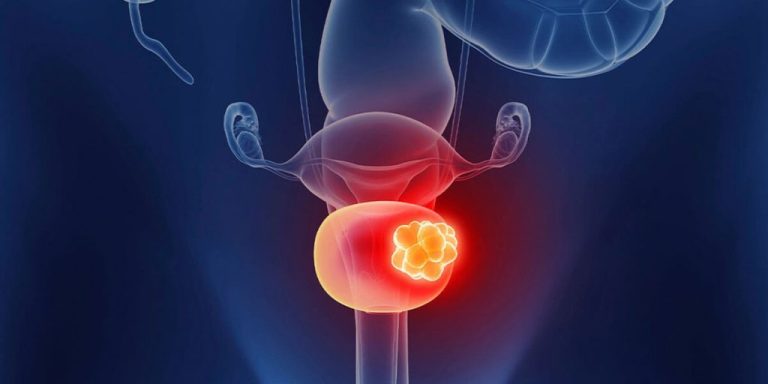
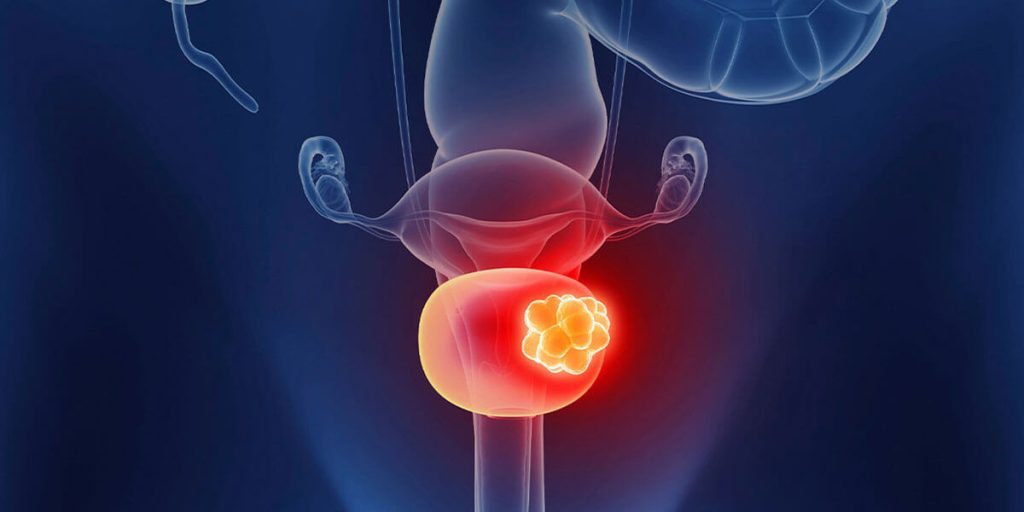
Blood in the urine isn’t something to brush off, yet many people delay a checkup hoping it will fade on its own. Bladder cancer can start quietly, hiding behind symptoms that resemble common infections or routine aging. Knowing the early warning signs and risk factors can turn uncertainty into a clear plan for action. This guide walks you through what to watch for and when to call a clinician, in straightforward, calm terms.
Outline: – Why bladder symptoms matter and a quick tour of how the bladder works – Hematuria and urinary changes as early signals – Non-urinary symptoms and red flags not to ignore – Risk factors, look-alikes, and what else could explain symptoms – When to seek medical care, what tests may be used, and how to prepare
Why Bladder Symptoms Matter: A Quick Tour of the Organ and What Signals Mean
The bladder is a muscular reservoir that collects urine from the kidneys and releases it through the urethra. Its inner lining, called the urothelium, is constantly exposed to chemicals filtered from the bloodstream. Because of this close contact, troublesome cells can sometimes arise in the lining. Early-stage disease is often confined to the inner layer, while more advanced disease can grow into the bladder wall and beyond. Recognizing symptoms promptly can influence the path forward, helping clinicians find issues when they are more manageable.
Symptoms matter because they are the body’s early alert system. While many bladder complaints turn out to be benign, overlooking repeating or unusual patterns can delay answers. Painless blood in the urine, for example, may appear suddenly, disappear, and return weeks later. Such a stop-start pattern can feel reassuring when it fades, yet it still warrants evaluation. Even subtle urinary changes, like going more often or a new nighttime pattern, can be meaningful when they persist. The aim is not to cause worry but to encourage thoughtful attention and timely conversations with a healthcare professional.
Here’s why taking note of bladder changes is worthwhile: – The bladder’s lining can bleed from irritation, infections, stones, or tumors; sorting these out requires testing. – Some concerning conditions cause no pain at first, so absence of discomfort is not a reliable green light. – Intermittent symptoms still count; a single episode of visible blood is a reason to schedule an appointment. – Early evaluation often leads to simpler treatments and clearer choices.
A helpful habit is to jot down what you notice: color changes in urine, frequency, urgency, burning, or pelvic pressure. Include dates and any related triggers, such as strenuous exercise, new medications, or dehydration. This small record can guide the discussion with a clinician and make the most of the visit. Most importantly, do not self-diagnose; overlapping conditions are common, and appropriate testing is the safest path to clarity. Hematuria and Urinary Changes: The Most Common Early Signals
Blood in the urine, known as hematuria, is the hallmark symptom linked to bladder tumors. It can be visible (turning urine pink, red, or cola-colored) or microscopic (detected only on a urine test). Visible blood may appear without pain and may stop and start over time. Clots can occasionally form and look like small strings or jelly-like pieces. Because exercise, infections, stones, and certain medications can also lead to blood in the urine, it is essential to let a professional sort out the cause rather than assuming it is minor.
Other urinary changes can accompany or precede hematuria. These include a newfound urge to urinate, going more frequently, difficulty starting the stream, burning or stinging, and a sensation of not emptying fully. Nighttime urination that is new for you may also be notable. None of these are proof of cancer, but a cluster of persistent urinary changes—especially when paired with any episode of blood—raises the need for timely evaluation. Comparisons help: a short, sharp burning sensation with fever and foul-smelling urine often points toward infection; a waxing and waning colicky pain that radiates to the groin can suggest a stone. Bladder tumors, by contrast, may cause painless bleeding or a steady escalation of irritative symptoms without the classic peaks of stone pain.
When urine looks different, note: – Color: pink, orange-tinged, red, brown, or cola-like – Presence of clots: small strings or gelatinous pieces – Timing: at the start, throughout, or at the end of the stream – Frequency patterns: sudden increases by day or night
Questions to ask yourself before an appointment: – Did I recently start a new medication, vitamin, or strenuous exercise plan? – Do symptoms improve with hydration or worsen after certain activities? – Is there fever, flank pain, or foul odor suggesting infection? – How many episodes of visible blood have occurred and over what time span?
Even a single episode of visible blood is a cue to schedule a visit. Persistent microscopic blood found during a routine check is also worth investigating. Early conversations do not commit you to invasive procedures; they open the door to a stepwise evaluation tailored to what you are experiencing.
Beyond the Bathroom: Non-Urinary Symptoms and Red Flags
While bladder-related symptoms center on urine changes, the body sometimes sends less obvious signals. Pelvic discomfort or a sense of pressure can develop when the bladder lining is irritated or when growths occupy space. Low back or flank pain may occur if urine flow is affected, particularly when swelling or blockage develops near where the kidneys drain. Unintended weight loss, loss of appetite, or persistent fatigue can reflect the strain of ongoing illness and deserve attention when they persist without a clear explanation. These signals are nonspecific, yet their value lies in the pattern: when combined with urinary changes or blood in the urine, they strengthen the case for evaluation.
Red flags that merit prompt medical contact include: – Visible blood in the urine with clots or difficulty passing urine – Increasing pelvic pain or a new constant ache above the pubic bone – Back or side pain with fever, chills, or nausea – New swelling in the legs or feet, which can signal impaired drainage – Repeated “urinary infections” that clear briefly and then recur – Unexplained fatigue, weight loss, or anemia noted on routine labs
It helps to compare possible causes. Infections often bring burning, urgency, fever, and rapid improvement after a short course of appropriate treatment. Kidney stones commonly cause severe, wave-like pain and sometimes blood, but the pain typically surges and falls as the stone moves. Bladder tumors can be quieter, featuring painless bleeding or irritation that lingers rather than spikes. No single symptom tells the whole story; the combination, duration, and response to initial care provide the clues. Because some serious conditions begin subtly, erring on the side of an early conversation with a clinician is a practical, low-risk decision.
If any symptom disrupts your routine or triggers worry—particularly visible blood—set up an appointment rather than waiting for a next flare. Most evaluations start with simple tests, and many people leave with reassuring answers. If something requires attention, finding it sooner keeps more options on the table.
Risk Factors, Look-Alikes, and What Else Could Explain Symptoms
Understanding risk factors can sharpen your radar without creating alarm. Tobacco exposure, current or past, is a major contributor to bladder lining irritation. Age plays a role; risk increases as decades pass, and many diagnoses occur after midlife. Occupational exposure to certain dyes, solvents, or combustion byproducts has been linked to higher risk, particularly with long-term contact. Chronic bladder irritation—from longstanding catheters, repeated infections, or stones—can also nudge the lining toward abnormal changes. Prior pelvic radiation or some chemotherapy agents have been associated with later bladder issues. Family history is less common as a direct driver but can combine with other factors to shift risk.
Key factors to consider: – Tobacco exposure over years, including past use – Long-term contact with specific industrial chemicals or fumes – Repeated bladder irritation from infections, stones, or catheters – Prior pelvic radiation or exposure to certain anticancer drugs – Advancing age and male sex, though all adults can be affected
Many bladder symptoms have look-alikes. Urinary infections can mirror urgency, burning, and frequency, often with fever or foul-smelling urine. Kidney or ureteral stones can cause blood in the urine and sharp flank pain. In many men, prostate enlargement leads to weak stream, nighttime trips, and incomplete emptying. Gynecologic sources, such as vaginal bleeding mistaken for urinary bleeding, can complicate the picture. Interstitial cystitis and overactive bladder create urgency and frequency without infection. Dehydration, strenuous exercise, and certain foods or supplements can temporarily shift urine color as well.
Common mimics to keep in mind: – Urinary infection: burning, urgency, fever, quick response to treatment – Stones: wave-like flank pain, occasional nausea, microscopic or visible blood – Prostate-related symptoms: hesitancy, weak stream, nocturia – Gynecologic bleeding: spotting or cycles overlapping with urination – Bladder pain syndromes: urgency and pressure without infection
Sorting these possibilities relies on testing rather than guesswork. A straightforward plan—urinalysis, culture if infection is suspected, and imaging when indicated—often separates short-term, self-limited issues from conditions that require targeted care. Risk reduction is always worthwhile: staying hydrated, avoiding tobacco, using protective gear when working with chemicals, and seeking care early for recurrent infections can all support bladder health.
When to Seek Medical Care, What to Expect, and Practical Next Steps
If you see blood in your urine—even once—schedule a medical appointment. Seek urgent or emergency care if you cannot pass urine, pass large clots, or have severe pain with fever. For symptoms like persistent urgency, frequency, mild pelvic pressure, or microscopic blood found on a routine test, plan to see a clinician within a reasonable timeframe rather than waiting months. Early evaluation does not automatically mean invasive procedures; instead, expect a stepwise approach that matches your symptoms and risk profile.
Common first steps may include: – Urinalysis to check for blood, protein, and signs of infection – Urine culture if infection is suspected – Blood tests to look at kidney function and anemia – Imaging, such as ultrasound or a specialized CT scan, to view the kidneys, ureters, and bladder – Cystoscopy, a direct look at the bladder lining with a thin scope, when warranted by symptoms or test results
Preparing for your visit can make it more productive: – Keep a symptom diary with dates, urine color changes, frequency, pain scores, and potential triggers – List medications, vitamins, and supplements, including start dates – Note any tobacco exposure, past or present, and workplace chemical contact – Bring prior test results or imaging reports if you have them – Write down questions about next steps, timelines, and follow-up
Understanding possible outcomes reduces anxiety. Many people discover a benign explanation—such as a temporary infection or a small stone—that resolves with focused care. If the evaluation identifies a bladder growth, your clinician will discuss options based on location, size, and depth, often starting with removal or sampling through the urethra. Follow-up schedules are common after any concerning finding, because the bladder lining can develop changes over time. The practical takeaway is simple: noticing and acting on early signs places you in a stronger position, regardless of the cause. Conclusion: Stay observant, document what you experience, and reach out promptly when something is new, persistent, or worrisome. Thoughtful attention today supports informed choices tomorrow.
Stomach (gastric) cancer remains one of the most prevalent and lethal cancers globally. While its incidence in the United States has declined over the past decades, it still poses a significant health threat to thousands of Americans each year. According to the American Cancer Society (ACS), an estimated 26,500 new cases of stomach cancer will be diagnosed in the U.S. in 2026, with nearly 11,000 related deaths. The core challenge in combating this disease is that early-stage stomach cancer often causes vague, easily overlooked symptoms — which is why understanding warning signs, identifying personal risk, and taking proactive prevention measures are so critical . When detected in its early, localized stage, stomach cancer has a 5-year relative survival rate of over 72%, a figure that drops sharply to just 6% for advanced, metastatic disease.
Early Warning Signs & Symptoms of Stomach Cancer
It is critical to note that early stomach cancer rarely causes obvious, disease-specific symptoms. Most early warning signs are mild and frequently mistaken for common, benign gastrointestinal issues such as indigestion, gastritis, or acid reflux. If you experience any of the following symptoms persistently (for 2 weeks or longer), consult your healthcare provider without delay:
Persistent indigestion, frequent heartburn, or ongoing acid reflux that does not improve with over-the-counter medications
Abdominal bloating or a feeling of fullness, even after eating only a small meal
Mild to moderate discomfort or pain in the upper abdomen, typically above the belly button
Unintentional weight loss of 5% or more of your body weight within 6 months, with no changes to diet or exercise habits
Sustained loss of appetite lasting more than a few days
Persistent nausea, with or without occasional vomiting
Black, tarry stools (a sign of blood in the digestive tract) or vomiting blood
Unexplained fatigue or weakness, often linked to low red blood cell counts (anemia)
Never dismiss these symptoms as “just a stomach bug” or routine indigestion. While they are often caused by non-cancerous conditions, only a licensed medical professional can rule out serious illnesses including stomach cancer.
Key Risk Factors for Stomach Cancer in the U.S.
Anyone can develop stomach cancer, but certain factors can significantly elevate your risk. Understanding these factors can help you and your doctor determine if you need more proactive health monitoring:
Helicobacter pylori (H. pylori) infectionThis common bacterial infection of the stomach lining is the single largest preventable risk factor for stomach cancer. Chronic, untreated H. pylori can cause long-term inflammation, gastritis, and precancerous changes in the stomach. Many people with H. pylori have no symptoms, making screening essential for high-risk groups.
Age and genderMost stomach cancer cases in the U.S. are diagnosed in adults aged 65 and older, and men are nearly twice as likely to develop the disease as women.
Modifiable lifestyle factors
Tobacco use: Smoking cigarettes or using smokeless tobacco significantly raises stomach cancer risk, with risk increasing alongside the amount and duration of use
Excessive alcohol intake: Regular heavy drinking damages the stomach lining and elevates cancer risk
Obesity: Being overweight or obese is linked to a higher risk of cancer in the gastric cardia (the upper part of the stomach where it meets the esophagus)
High-risk diet: A diet high in smoked, pickled, salt-cured foods, processed meats, and sodium increases risk, while diets rich in fresh fruits, vegetables, and fiber have a protective effect.
Medical and family history
A personal or family history of stomach cancer, colorectal cancer, or other gastrointestinal cancers
A history of stomach surgery, stomach polyps, chronic atrophic gastritis, or pernicious anemia
Inherited genetic syndromes, including Lynch syndrome, familial adenomatous polyposis (FAP), and hereditary diffuse gastric cancer (HDGC)
Proven Prevention Strategies to Lower Your Stomach Cancer Risk
While you cannot change non-modifiable risk factors such as age or family history, there are actionable, evidence-based steps you can take to significantly reduce your risk of developing stomach cancer.
Screen for and treat H. pylori infectionThis is the single most impactful step to reduce your risk. If you have gastrointestinal symptoms, a family history of stomach cancer, or other risk factors, ask your doctor about H. pylori testing. A simple breath test, blood test, or stool test can detect the infection, and a short course of antibiotics can cure it in most cases, drastically lowering your long-term cancer risk.
Follow a stomach-protective, nutrient-rich diet Align with the U.S. Dietary Guidelines to prioritize:
Fresh fruits and vegetables, especially those high in vitamin C, vitamin E, and antioxidants
Whole grains, legumes, and lean plant-based proteins
Limited sodium intake, with no more than 2,300 mg of sodium per day
Minimal processed meats, smoked foods, pickled items, and salt-preserved foods
Quit all tobacco productsQuitting smoking or smokeless tobacco is one of the most impactful changes you can make for your overall health and to lower stomach cancer risk. Free, evidence-based resources to support quitting are available through the American Cancer Society and the U.S. Food and Drug Administration (FDA).
Limit alcohol consumptionIf you drink alcohol, adhere to CDC-recommended limits: no more than 2 drinks per day for men and 1 drink per day for women.
Maintain a healthy weight and stay physically active Aim for at least 150 minutes of moderate physical activity per week, and work with your doctor to reach and maintain a healthy body mass index (BMI). This reduces chronic inflammation and lowers your risk of multiple cancers, including stomach cancer.
Discuss personalized screening with your doctorRoutine stomach cancer screening is not standard for average-risk individuals in the U.S. However, if you have a family history of stomach cancer, inherited genetic syndromes, chronic H. pylori infection, or other high-risk factors, ask your doctor about regular upper endoscopy screening. This procedure allows clinicians to examine the stomach lining and remove precancerous polyps before they progress to cancer.
When to Seek Immediate Medical Care
Do not delay consulting a healthcare provider if you have persistent, unexplained gastrointestinal symptoms — even if they seem mild. Early detection is the single biggest factor in improving stomach cancer treatment outcomes. Seek urgent medical care if you experience:
Vomiting blood or passing black, tarry stools
Severe, persistent abdominal pain
Rapid, unintentional weight loss with no identifiable cause
Stomach cancer can be a silent disease in its early stages, but knowledge and proactive care are your most powerful tools for protection. By understanding the warning signs, recognizing your personal risk factors, and taking consistent steps to protect your gastrointestinal health, you can reduce your cancer risk and catch potential issues early, when treatment is most effective. Always work with your trusted healthcare provider to make personalized decisions about your screening and care .
Breast cancer is a vast topic with various types and characteristics. Among them, HER2-positive breast cancer is notable for its aggressive nature and distinct treatment protocols. Understanding the early signs plays a crucial role in early detection, which greatly influences treatment outcomes.
Recognizing abnormal changes in breasts is primary when it comes to awareness. This could mean new lumps or changes to the skin’s texture. HER2-positive breast cancer can often present with a hard, fast-growing tumor that can be felt through the skin, especially if it has advanced. Not all lumps signify cancer, but a persistent change like this should not be ignored. Regular breast self-exams and mammograms can help monitor for any unusual findings, leading to earlier intervention if necessary.
Another early sign to consider is changes in breast shape or size. This could manifest as asymmetrical changes where one breast appears noticeably larger, longer, or different in contour. These physical changes might seem normal with the hormonal fluctuations many experience, but they can also signal underlying health issues. In cases of HER2-positive breast cancer, such atypical changes may occur due to the growth of a tumor. Keeping a close eye on such transformations can prompt discussions with healthcare providers at a crucial time.
Pain or discomfort in the breast area may also be an early warning signal. While breast pain is often associated with hormonal changes, unexplained or persistent pain, especially localized to a specific area, should warrant further investigation. In HER2-positive breast cancer, pain often arises from the tumor pressing against surrounding tissues or nerves. Being aware of pain that doesn’t correspond with menstrual cycles or that persists beyond a short duration can be vital for timely medical evaluation.
Skin changes on the breast can also indicate potential issues. For individuals, any new or unusual skin alterations, such as dimpling, puckering, or a warm sensation, can be indicative of more severe conditions, including cancer. HER2-positive tumors can produce changes in dermal texture as they grow, leading to symptoms like redness or swelling in localized areas. Noticing these changes creates an essential opportunity for early dialogue with healthcare professionals.
Nipple changes are another crucial aspect to monitor. These can involve discharge that is new to the individual, bleeding, or even a change in the appearance of the nipple itself (inversion or retraction). Nipple discharge can be alarming, but it is essential to recognize that not all discharge is indicative of cancer. In cases where the discharge occurs from one breast or is blood-stained, further medical evaluation is warranted. HER2-positive cases may present atypical discharge as associated tumors affect nearby structures.
Lastly, unexplained weight loss can emerge as an alarming early signal of HER2-positive breast cancer, particularly if it occurs alongside other symptoms. This may stem from the body’s metabolic response to cancer or the side effects of malignancy. If an individual experiences significant weight loss without a clear reason, it is important to reach out to a healthcare provider. Abnormal weight fluctuations can serve as critical indicators that should lead to further diagnostic evaluation.
Understanding these signs can dramatically alter the course of treatment when it comes to HER2-positive breast cancer. The awareness surrounding early detection is not just beneficial; it can be lifesaving. Awareness of the body and its signals allows for timely discussions with healthcare providers and appropriate interventions if necessary. Engaging in regular self-exams, staying informed about personal health, and consulting with professionals about any concerning changes are integral parts of proactive health management.
The journey of awareness and vigilance is essential in navigating the complexities of breast cancer, especially with the aggressive nature of HER2-positive types. Creating an environment where open conversations about breast health can take place encourages community empowerment and supports collective health improvement. With increased awareness, individuals can advocate for their health and potentially catch adverse conditions at their earliest stages.
For more information on HER2-positive breast cancer and early signs, resources are available from credible cancer organizations, such as the American Cancer Society (https://www.cancer.org) and the National Breast Cancer Foundation (https://www.nationalbreastcancer.org). These organizations provide a wealth of knowledge on symptoms, screening processes, and treatment options, helping individuals navigate their health journey effectively.