Drop wall panels have become a practical way to reshape the feel of a room without a full renovation. They can soften a plain interior, improve how a wall performs, and make everyday spaces feel more finished. For many homes, the appeal is not just visual. It is also about adding texture, helping protect surfaces, and creating a layout that feels more intentional and comfortable.
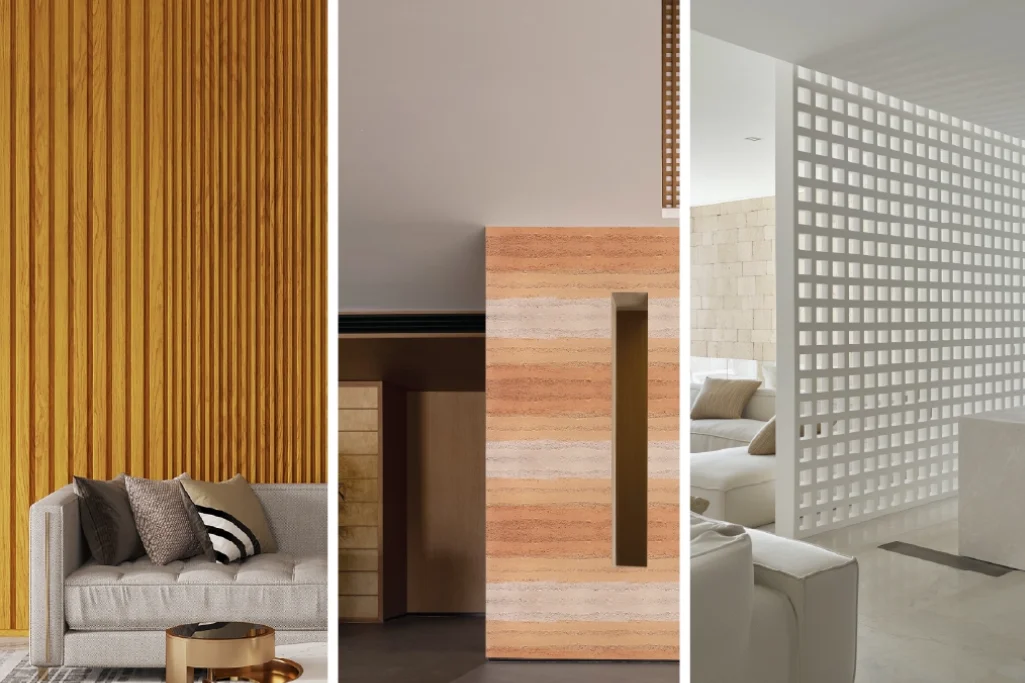
Why Drop Wall Panels Matter In Modern Homes
One reason drop wall panels stand out is their ability to change a room’s character with relatively little disruption. A flat wall can feel unfinished, while panels introduce depth, pattern, and structure. Interior design trends often cycle, but wall treatments have remained a steady part of home styling for decades because they work in both traditional and contemporary spaces.
In practical terms, wall panels can also help support better day-to-day living. The U.S. Department of Energy notes that heat loss through walls can account for a meaningful share of a home’s energy use, so any added wall layer may contribute to a more stable indoor environment depending on materials and installation. That is not the same as full insulation, but it shows why wall surfaces matter beyond appearance.
A More Finished Look Without Overcomplication
Drop wall panels often improve aesthetics by adding rhythm to a wall. Lines, grooves, or framed sections can break up large blank areas and make spaces feel more balanced. In living rooms, hallways, and entryways, this can create a sense of order that paint alone does not always provide. The result is usually subtle, which is part of the appeal.
Many homeowners appreciate that panels can fit different styles without demanding a complete redesign. Clean vertical boards can suit a modern home, while raised or decorative profiles can work well in older spaces. The National Association of Home Builders has long reported that interior finishes strongly influence buyer and resident perceptions of quality, and wall detailing is part of that larger impression.
Function That Supports Daily Living
The functional value of drop wall panels often becomes clear in rooms that see a lot of use. Hallways, dining areas, and family rooms tend to collect scuffs, scratches, and marks over time. Panels can act as a more durable surface than plain drywall in some settings, helping walls stay presentable longer. That matters in busy homes where maintenance needs to stay realistic.
There is also a comfort factor that is easy to overlook. Textured wall treatments can reduce the starkness of a room and make acoustics feel less harsh. According to the Acoustical Society of America, surface shape and room materials affect how sound behaves indoors. Panels do not turn a room into a studio, but they can soften echo in spaces with hard floors and minimal soft furnishings.
Material Choices Affect Both Style And Use
The material behind a drop wall panel system plays a major role in how it looks and how it ages. Wood offers warmth and can bring natural variation, while medium-density fiberboard is commonly used for painted finishes because it provides a smooth surface. PVC and composite options are often chosen in moisture-prone areas because they are easier to maintain.
Durability matters just as much as appearance. A panel style that works in a dry hallway may not be the best choice for a basement or bathroom. The American Institute of Architects has noted that material selection should match the environment, especially in areas exposed to humidity or frequent cleaning. Picking the right surface helps the design remain attractive without becoming a maintenance burden.
How Panels Change A Room’s Proportions
Drop wall panels can also influence how a room feels in terms of size and shape. Vertical panel lines can make lower ceilings seem taller, while horizontal layouts can stretch the appearance of a narrow wall. This is not a trick of measurement, but it is a real design effect that helps people make the most of existing spaces.
Designers often use wall treatment to guide the eye, and that can improve how a room functions visually. In compact homes, panels can help define zones without needing extra partitions. In larger rooms, they can anchor wide wall surfaces so the space feels less empty. That balance is part of what makes paneling so adaptable across different home layouts.
Maintenance And Longevity In Everyday Use
One of the strongest practical arguments for drop wall panels is that they are relatively easy to maintain when chosen well. Painted panels can often be wiped down, while more durable finishes resist the small wear that comes from family life, furniture movement, and general traffic. That makes them appealing for spaces that need to look composed without constant upkeep.
Over time, this can support better long-term value in a home. The National Association of Realtors has consistently found that well-maintained interiors influence perceived home quality. Panels are not a shortcut to value by themselves, but they can contribute to a cleaner presentation and a sense that the home has been thoughtfully cared for. That matters in everyday living and during future resale conversations.
Design Flexibility For Different Rooms
Drop wall panels work because they are not tied to one type of room. A dining room may benefit from classic paneling that adds warmth and structure, while a bedroom may call for a softer, more minimal pattern. In a home office, panels can make the space feel more polished and less temporary, which can affect focus and comfort.
They also pair well with changing décor. Paint color, lighting, and furniture style can all shift over time, while the wall treatment remains a stable visual base. That flexibility helps explain why paneling continues to appear in both new builds and older homes. It is a design choice that can evolve without needing to be replaced every time the room’s style changes.
Installation Considerations That Shape The Outcome
The final look depends heavily on installation quality. Even attractive materials can look awkward if spacing, alignment, or trim work is uneven. For that reason, measuring carefully and planning around outlets, baseboards, and wall conditions is essential. Small details tend to define whether the result feels custom or improvised.
There is also a practical side to deciding where panels belong. Walls with major moisture problems, structural damage, or uneven surfaces may need repair before any decorative layer is added. Building and remodeling guidance from the U.S. Department of Housing and Urban Development often emphasizes addressing underlying wall issues first. That approach protects both appearance and performance over time.
Drop wall panels offer a rare mix of style and usefulness that fits many kinds of homes. They can make a room feel more complete, protect high-use surfaces, and add a sense of order that paint alone may not provide. Just as important, they work in a practical way that suits long-term living rather than short-lived trends. The best results usually come from matching the panel style to the room’s purpose, the home’s architecture, and the amount of maintenance that feels realistic. Materials, finish, and installation quality all shape how well the panels perform, which is why thoughtful planning matters more than chasing a dramatic transformation. For homeowners who want a space that feels more polished without becoming overly complicated, drop wall panels can be a steady, useful design choice that supports both aesthetics and everyday function. References such as the U.S. Department of Energy, HUD, and the Acoustical Society of America offer helpful background on how walls affect comfort, efficiency, and sound in real homes.