A bathroom renovation can do more than update a tired room. It can improve daily routines, reduce maintenance headaches, and make a home feel more balanced overall. Because bathrooms are used constantly, small design choices can have an outsized effect on comfort, durability, and long-term usability.
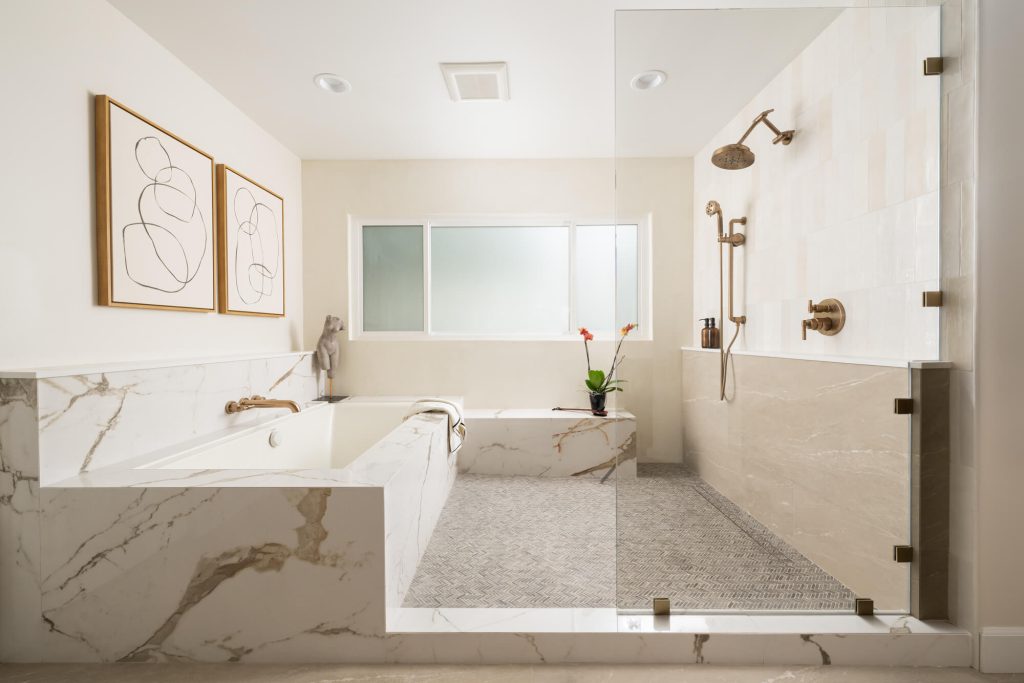
Planning the Layout
A successful bathroom project usually starts with layout, not finishes. The placement of the toilet, sink, shower, and storage affects how the room feels every day, especially in smaller spaces. The National Kitchen and Bath Association has long recommended clearances and spacing standards because tight layouts quickly become inconvenient.
In practical terms, a good layout makes cleaning easier and reduces clutter. A room that allows enough walking space and logical movement between fixtures tends to age better than one built around decorative ideas alone. Even if the footprint cannot change much, moving a vanity or adjusting a shower opening can improve flow in a noticeable way.
Choosing Durable Materials
Bathroom materials need to handle moisture, temperature swings, and frequent cleaning. Porcelain tile, quartz surfaces, and properly sealed grout are popular for a reason: they hold up well in a damp environment. The Tile Council of North America has published standards for wet-area installations because water management is one of the biggest factors in long-term performance.
It also helps to think beyond appearance. A glossy floor may look polished, but slip resistance matters more in everyday use. Paints labeled for high-humidity spaces, corrosion-resistant hardware, and water-resistant backer boards all contribute to a room that stays in better shape over time. Good materials lower the chance of repair work later, which matters as much as style.
Improving Lighting And Ventilation
Lighting and airflow often get less attention than tile or fixtures, yet they shape how comfortable the room feels. Layered lighting, which combines overhead light, mirror lighting, and softer accent lighting, usually works better than a single bright fixture. A bathroom with only one harsh light can feel flat and make grooming tasks harder.
Ventilation is just as important. The U.S. Environmental Protection Agency notes that moisture control helps prevent mold growth, and bathrooms are among the most common places where excess humidity builds up. A properly sized exhaust fan, along with regular use, can protect paint, trim, and cabinets. Natural light is helpful too, but it rarely replaces mechanical ventilation on its own.
Selecting Fixtures That Fit Daily Life
Fixtures should match routines, not just look attractive in photos. A deep sink, easy-to-clean faucet, and shower control that is simple to reach can make a room far more pleasant to use. WaterSense, the U.S. EPA’s efficiency program, reports that certified bathroom fixtures can reduce water use without sacrificing performance, which has made efficient design a mainstream standard.
Comfort also depends on scale. Oversized fixtures can overwhelm a compact bathroom, while undersized pieces may feel awkward in a larger one. Thoughtful choices create balance, and that balance is what makes a renovation feel complete. It is often better to choose a few well-made items that suit the room than to crowd the space with features that do not fit.
Maximizing Storage Without Adding Clutter
Storage is one of the most practical parts of any bathroom update. Open counters tend to collect items quickly, while well-planned cabinets and shelves keep daily essentials within reach. Recessed medicine cabinets, vanity drawers with dividers, and built-in niches can all reduce visual clutter without making the room feel closed in.
A cleaner layout also makes maintenance simpler. When items have a clear place, surfaces stay easier to wipe down and the room feels calmer. In smaller bathrooms, vertical storage often works best because it uses wall space rather than floor area. That approach can make a compact room feel more open while still supporting everyday routines.
Focusing On Accessibility And Long-Term Use
A bathroom renovation should consider how the space will function not just now, but years from now. Wider doorways, lever handles, curbless showers, and grab bars can support a range of needs without making the room feel clinical. The Centers for Disease Control and Prevention has reported that falls are a major household risk for older adults, which makes safer bathroom design a practical investment in everyday life.
Universal design principles have become more common because they work well for many households, not only for those with mobility concerns. A step-free shower can be easier to clean, and a comfort-height toilet may reduce strain for a wider group of users. These details matter because a renovation is easier to live with when it can adapt as routines and needs change.
Keeping Costs Focused On Value
Renovation decisions become easier when the focus stays on value rather than novelty. A bathroom that looks impressive but is hard to maintain can lose its appeal quickly. Durable finishes, efficient fixtures, and solid workmanship often provide more long-term satisfaction than trendy details that may feel dated soon.
It also helps to separate visible upgrades from hidden ones. Waterproofing, plumbing checks, and proper subfloor work may not stand out, but they protect the room from expensive problems later. Many renovation experts point to hidden systems as the real foundation of a good bathroom project. The visible parts matter, but what sits behind the walls often matters more.
A bathroom renovation works best when it balances comfort, function, and durability. The room may be small, but it carries a heavy workload, so every choice has daily consequences. A smart plan pays attention to layout first, then builds out with materials, lighting, fixtures, and storage that can handle real use. Ventilation and waterproofing deserve as much respect as the tile pattern or the mirror style because moisture is what tests a bathroom over time. Accessibility should also remain part of the conversation, since a well-designed room is easier to use for a wider range of people and situations.
The strongest projects tend to feel calm rather than crowded. They solve problems quietly, make routines easier, and reduce the need for constant upkeep. That is why references such as the EPA, WaterSense, and the Tile Council of North America remain useful during planning: they focus attention on the parts of a bathroom that influence performance long after the renovation is finished. A refreshed bathroom can improve the feel of the whole home, but the best results usually come from patience, realistic choices, and an eye for details that support everyday life instead of chasing short-lived trends.