In today’s world, where technology defines many aspects of daily life, the ability to repair electronic devices can be incredibly empowering. With online electronics repair courses, homebound adults have the opportunity to learn invaluable skills while engaging with a community of fellow learners, all from the comfort of their homes. This article explores the benefits, varieties, and impact of these courses on individuals looking to enhance their technical expertise.
One of the primary advantages of participating in online electronics repair courses is the flexibility they offer. Homebound adults can study at their own pace, choosing when to engage with the material according to their schedules. This is particularly beneficial for those who may have personal commitments or health challenges that restrict their mobility. According to the World Bank, remote education can significantly expand learning opportunities, especially for adults, allowing them to gain new skills without the constraints of traditional classroom settings. Flexibility not only accommodates various lifestyles but also helps learners retain information better, as they can revisit topics as needed.
The courses available online cover a wide range of topics. From basic electronics principles to advanced circuit design, learners can select courses that align with their interests and skill levels. Some platforms offer tailored programs focused on specific devices, like smartphones and tablets, while others dive into home appliances such as TVs and kitchen gadgets. This diversity allows homebound adults to pick areas that resonate most with them, making the learning process more engaging and relevant. A report from the National Center for Education Statistics indicates that tailored learning experiences result in higher completion rates, further showcasing the effectiveness of specialized online courses.
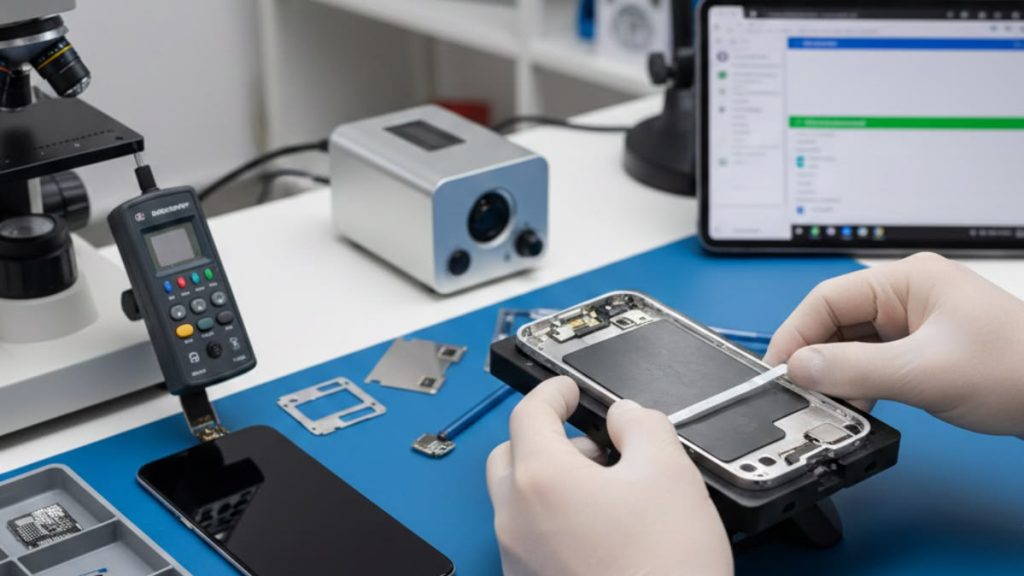
Another important aspect of electronic repair training is the hands-on experience that many courses provide. While theory is foundational to understanding electronics, practical application can reinforce learning and build confidence. Many online platforms incorporate simulations and video tutorials that guide learners through repairs step-by-step. This approach makes it easier to grasp complex concepts, as participants can visualize and practice what they are learning. Notably, online training superimposed with practical experiences can lead to a deeper understanding, substantially improving learners’ skillsets.
The community and network aspect of online electronics repair courses cannot be overlooked. Many of these courses facilitate forums or discussion groups where learners can connect, share their experiences, and ask questions. This sense of belonging can be particularly beneficial for homebound individuals, as it combats feelings of isolation. As they exchange tips and troubleshoot together, participants not only acquire knowledge but also build lasting relationships. A study published in the Journal of Adult Education emphasizes that community engagement is critical for adult learners, leading to improved motivation and engagement.
Moreover, the ability to repair electronics can lead to improved economic opportunities. In an increasingly technology-driven job market, possessing technical skills can enhance employability. For those who are homebound due to circumstances such as disability or caregiving, learning electronics repair can reveal new avenues for freelance work or entrepreneurship. The Bureau of Labor Statistics reported that jobs in the field of electronics repair are projected to grow as technology evolves and devices need maintenance. Homebound adults taking these courses are equipping themselves with marketable skills that could lead to additional income or even a career shift.
Another significant benefit of these courses is the environmental impact. In our throwaway culture, electronics often end up in landfills, contributing to pollution and resource depletion. By learning to repair devices, homebound adults can play a part in reducing electronic waste. The United Nations Environment Programme estimated that over 50 million tons of electronic waste is generated globally each year, urging a greater focus on repair and recycling. By acquiring the skills to fix rather than discard devices, learners contribute positively to sustainability efforts while also saving money.
To engage effectively in these courses, it’s important to have access to the right tools and resources. Most courses will provide a list of recommended equipment to get started. This might include basic tools like screwdrivers, soldering kits, and multimeters, which are essential for electronic repairs. The DIY community has grown exponentially online, and numerous resources are available to help individuals gather what’s needed without excessive cost. Websites like iFixit offer not only guides for repairs but also toolkits tailored for specific tasks, making it easier for learners to set themselves up for success.
The world of online electronics repair courses is thriving and offers immense potential for homebound adults. With flexibility, hands-on experience, and a supportive community, learners can acquire essential skills that not only enhance personal capabilities but also contribute to the environment and economy. This avenue provides a fulfilling pursuit that fosters growth, connection, and empowerment, all while making the most of the prevailing technology-driven landscape.