Chronic back pain affects millions of individuals worldwide, significantly impacting their quality of life. Recent advancements in medical research have introduced various treatment options, each with its own efficacy and applicability.
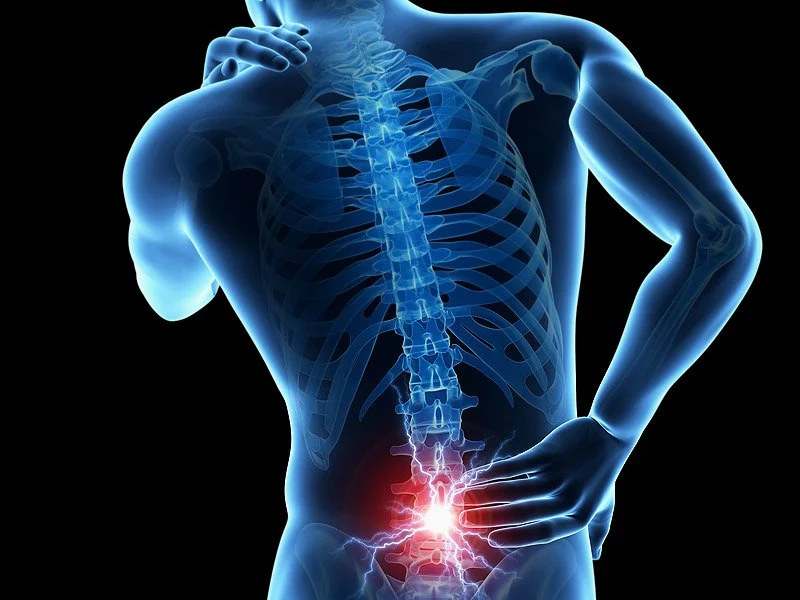
This article explores several common approaches to managing chronic back pain, providing insights into their effectiveness and considerations for their use.
1. Physical Therapy and Exercise
Physical therapy remains a cornerstone in the management of chronic back pain. A comprehensive program often includes core strengthening, stretching, flexibility exercises, and posture retraining. These interventions aim to alleviate pain, improve function, and prevent future episodes. For instance, a study published in the *Annals of Internal Medicine* found that patients with chronic back pain who participated in a 12-week yoga program experienced significant reductions in pain and disability, comparable to those who underwent physical therapy. (utswmed.org)
Engaging in regular physical activity can enhance spinal stability and reduce discomfort. Activities such as swimming, walking, and cycling are often recommended due to their low-impact nature. It’s essential to consult with a healthcare provider to develop a personalized exercise plan tailored to individual needs and limitations.
2. Mindfulness and Cognitive Behavioral Therapy (CBT)
Mindfulness-based interventions and CBT have gained recognition for their role in managing chronic pain. These therapies focus on altering pain perception and improving coping strategies. Mindfulness practices, including meditation and yoga, help individuals become more aware of their pain and develop healthier responses. A study published in *JAMA* highlighted that mindfulness-oriented recovery enhancement (MORE) programs effectively reduce chronic pain and associated distress. (en.wikipedia.org)
CBT, on the other hand, assists individuals in identifying and modifying negative thought patterns related to pain. By addressing the psychological components of chronic pain, CBT can lead to improved pain management and enhanced quality of life. Both approaches emphasize the mind-body connection and offer valuable tools for pain management.
3. Pharmacological Treatments
Medications are commonly prescribed to manage chronic back pain. Nonsteroidal anti-inflammatory drugs (NSAIDs), such as ibuprofen and naproxen, are frequently used to reduce inflammation and alleviate pain. However, long-term use of NSAIDs can lead to side effects, including gastrointestinal issues and increased risk of cardiovascular events. Therefore, they are generally recommended for short-term use. (mayoclinic.org)
Muscle relaxants may be prescribed to address muscle spasms associated with back pain. While they can provide short-term relief, their long-term efficacy and safety are subjects of ongoing research. A systematic review published in *JAMA Network Open* found that the long-term use of muscle relaxants for chronic pain conditions, including low back pain, may be beneficial for patients with painful spasms or cramps and neck pain; however, evidence was equivocal for their long-term use for low back pain. (jamanetwork.com)
Opioids are potent pain relievers but carry a high risk of addiction and other serious side effects. Due to these risks, their use is generally limited to severe cases and for short durations. The FDA has approved suzetrigine, a non-opioid pain medication, as a safer alternative for managing moderate-to-severe acute pain. (time.com)
4. Interventional Procedures
Interventional procedures, such as epidural steroid injections, nerve blocks, and radiofrequency ablation, are sometimes used to manage chronic back pain. However, a guideline published in *The BMJ* recommends against the use of these injections for chronic back pain, stating that they provide little or no pain relief and lack high-certainty evidence supporting their use. (painnewsnetwork.org)
Given the limited effectiveness and potential risks associated with these procedures, they are generally considered when other treatments have failed, and their use should be carefully evaluated by healthcare professionals.
5. Alternative Therapies
Alternative therapies encompass a range of treatments, including acupuncture, massage, biofeedback, and electrical nerve stimulation. These approaches aim to alleviate pain through various mechanisms, such as improving blood flow, reducing muscle tension, and promoting relaxation. A study published in *Pain* found that music therapy could reduce pain perception and increase tolerance, especially when patients choose the music themselves and listen attentively. (apnews.com)
While some individuals report benefits from these therapies, scientific evidence supporting their efficacy varies. It’s important to consult with a healthcare provider to determine the suitability of alternative therapies for individual cases.
6. Surgical Interventions
Surgical options are typically considered when conservative treatments fail to provide relief. Procedures such as spinal fusion, laminectomy, and discectomy aim to address structural issues contributing to back pain. However, surgery carries inherent risks, including infection, blood clots, and nerve damage. A study published in *Regional Anesthesia & Pain Medicine* found that restorative neurostimulation provides robust, sustained improvements in pain, function, and quality of life in patients with chronic low back pain associated with multifidus dysfunction. (rapm.bmj.com)
Given the potential risks and variable outcomes, surgical interventions should be considered carefully and discussed thoroughly with a healthcare provider.
Key Takeaways
- Physical therapy and exercise are foundational in managing chronic back pain, focusing on strengthening and flexibility.
- Mindfulness and cognitive behavioral therapy address the psychological aspects of pain, offering coping strategies and pain perception management.
- Pharmacological treatments, including NSAIDs and muscle relaxants, can provide relief but should be used cautiously due to potential side effects.
- Interventional procedures have limited effectiveness and are generally not recommended for chronic back pain.
- Alternative therapies may offer benefits, but evidence supporting their efficacy varies, and they should be considered as complementary treatments.
Disclaimer: This article is for informational purposes only and should not be considered medical advice. Always consult with a healthcare professional for medical concerns.